



Highlights from Transportation Research Board Meeting
Seven delegates from the CarSharing Association participated in the Transportation Research Board Annual Meeting, which included discussions on shared-use mobility and the use of the term ridesharing.
Earlier this month, seven delegates from the CarSharing Association participated in committee meetings at the Transportation Research Board (TRB) Annual Meeting in Washington, D.C.
At the Shared-Use Vehicle Public Transport Systems subcommittee meeting, Susan Shaheen provided updates from the Shared Use Mobility Summit, which was held October 10-11 in San Francisco. Key takeaways from the October summit included the need for public subsidies, industry standards and self-regulation instead of government intervention, parking and insurance issues, integration with public transit and privacy and confidentiality of member-driver and operator data.
At the “Innovations in Shared-Use Mobility and Transportation Demand Management” workshop, Shaheen gave a short presentation on the definitions of shared-use mobility. She described how “blurring the lines” between different forms is problematic to both academic research and public policy. In the past, there has been debate about the definition of “car sharing” and whether new forms (one-way, free-floating, peer-to-peer, hourly airport rentals, etc.) should be considered as car sharing.
A panel that included lawyers from Lyft and Sidecar and the CEO of Carma discussed the use of the term “ridesharing.” In the past, the definition has been synonymous with carpooling and vanpooling and the driver couldn’t charge more than his/her operating costs.
But new entrants into the scene (e.g. Lyft, Sidecar, UberX) are attempting to redefine ridesharing. In their business model, drivers pick up passengers and take them to their destination much like a taxi driver does. The rates charged are sufficiently high so the driver will earn money above his/her vehicle operating costs — even after the web-based platform takes their cut of revenues. These businesses have been defined as “transportation networking companies” (TNCs) by the California Public Utilities Commission. Last year, CPUC introduced new rules to regulate and level the playing field with traditional taxi operators.
Susan Shaheen, Sharon Feigon and Jason Pavluchuk are planning the next Shared Use Mobility Summit, which will take place June 10-11, 2014, in Washington, D.C. This summit will focus on U.S. Transportation Policy. It was noted that changes are needed to shift funding away from highways and infrastructure (supporting privately-owned vehicles) and toward public transit and more efficient shared-use systems.
The Transportation Research Board Annual Meeting includes all forms of transportation including air, marine, rail, highways and public transit.
More Rental Operations
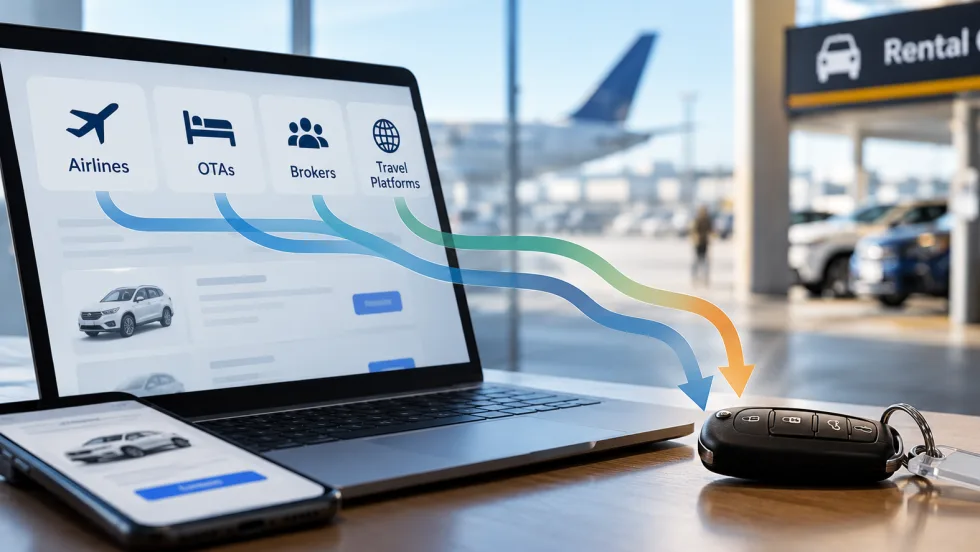
Direct, Broker or Hybrid? How Travel Retailers Source Rental Cars
As travel retailers weigh direct supplier relationships against third-party distribution, rental operators need to understand how those decisions affect their business.
Read More →
How Did This Independent Rental Operator Grow to 170 Vehicles in 4 Years?
With 170 vehicles across three Kentucky locations, Joel Price relies on an overseas team to handle reservations, payments, and after-hours customer service. It's one part of an unconventional approach to growing an independent rental operation.
Read More →
What Does It Take to Succeed in B2B Rentals?
The fundamentals may be familiar to daily car rental operators, but project-based truck rentals put different demands on the fleet and the business.
Read More →
NPR Builds on International Partnerships to Grow Rental Bookings
With Ana Laborde supporting broker development, NPR Auto Group is tailoring distribution strategies, rate packages, and partnerships to grow international reservations across its three brands.
Read More →
Advantage, Sixt Place Among Top Five in Annual Satisfaction Study
While Enterprise and National retain the top spots in JD Power’s 2026 rankings, the latest customer satisfaction results suggest renters can find competitive service beyond the biggest car rental names.
Read More →
The $100,000 Insurance Trap in Exotic Car Rentals
Exotic rental agencies often rely on customers’ personal auto policies to protect six-figure vehicles. But policy language can dramatically change the coverage for vehicles over $100,000 MSRP.
Read More →
The Booking Is Confirmed, But Is Your Customer Ready to Drive?
For international renters, a confirmed reservation doesn’t always mean they’re eligible to drive. Earlier checks can help operators catch documentation and payment issues before the customer reaches the counter.
Read More →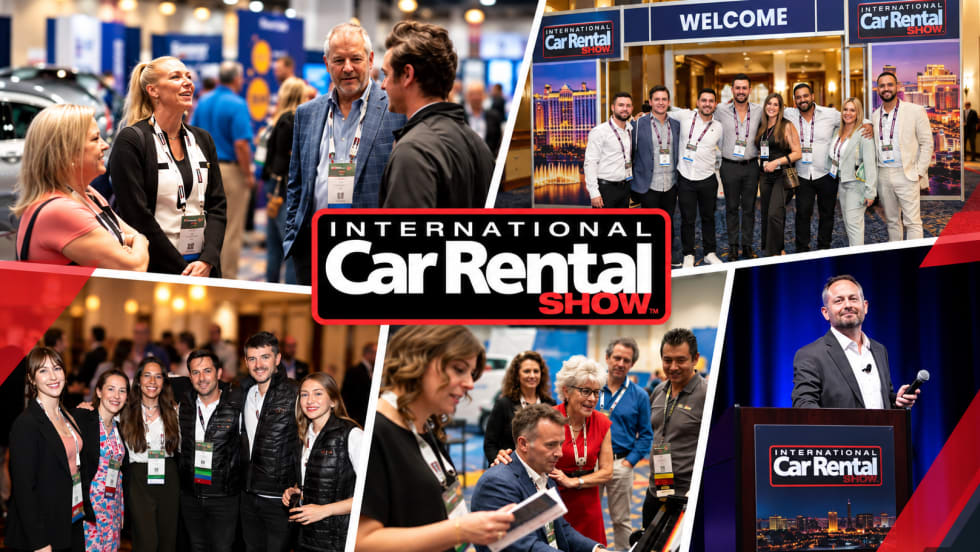
ICRS 2027 Opens Call for Papers
The International Car Rental Show seeks session proposals on the business, operational, and technology issues facing car rental operators. Submissions are due Jan. 15.
Read More →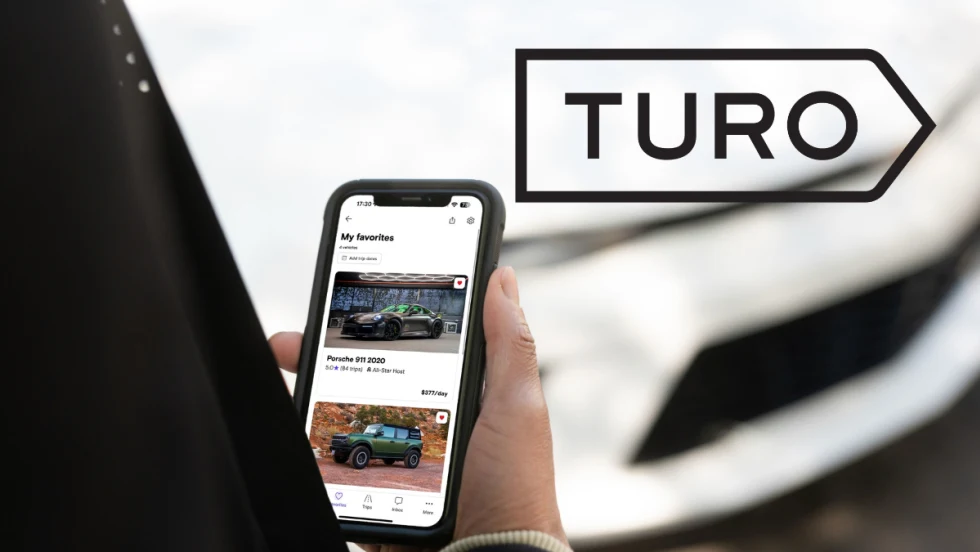
Turo to Launch Vehicle Delivery Service
Turo Delivered will let travelers search for vehicles that hosts can deliver directly to hotels, homes, airports, train stations, and other locations.
Read More →
Palm Beach Airport Code Change Creates Car Rental Distribution Gap
A test of rental searches under the old PBI and new DJT airport codes returned largely different sets of brands and vehicles, highlighting a potential distribution problem for rental operators.
Read More →