




How to Minimize Employee Litigation Through Arbitration Agreements
In this online exclusive article, learn more about how arbitration agreements can minimize employee lawsuits and their fallout.
Lawsuits can be expensive and inconvenient, but employee litigation can be even more painful for companies, executives and managers.
Employee lawsuits hamper morale and could encourage other employees to follow with their own lawsuits. This kind of litigation can also make information public that companies would rather keep private. Additionally, such litigation can generate nasty public relations.
Fortunately, employers can minimize many employee lawsuits and their fallout through arbitration agreements, where a neutral arbitrator instead of a court hears the facts of the dispute and makes a binding ruling. A study by Alexander Colvin of Cornell University found that employers win more often in arbitration than in litigation, employee awards are fewer and the proceedings move much faster.
But not all arbitration agreements are created equal. In fact, courts frequently throw out agreements that judges decide are too flawed or too heavily biased in favor of employers. Employers need to understand the limits of arbitration agreements, as well as the pros and cons, in order to determine if arbitration agreements are appropriate for their business.
The ABCs of Arbitration Agreements
Arbitration is a form of alternative dispute resolution, where two sides look outside the court system to resolve a conflict. In arbitration, an impartial arbitrator listens to claims, facts and testimony from both sides and then issues a decision.
By signing arbitration agreements, employees typically waive their right to file lawsuits when they have a dispute with their employers. However, the obligation to arbitrate can vary. Some employers require all disputes to go to arbitration, while others designate only certain issues.
“Binding” arbitration is most frequently used in employment agreements, where both sides agree ahead of time that the arbitrator’s decision will be final — with very limited bases to appeal.
However, an arbitration agreement alone does not mean that employers can never be sued over an employment issue. State and federal regulators can still sue employers when employees file complaints against companies for violating discrimination, pay or other laws.
In addition, the National Labor Relations Board (NLRB), which enforces federal labor law, has refused to uphold a number of arbitration agreements in the past several years, even though the federal courts have consistently rejected the NLRB’s arguments.
Once employees or former employees decide to enter into arbitration agreements, there are three basic steps in the proceeding: prehearing briefs, the hearing and the arbitrator’s decision.
The prehearing briefs allow the company and the employee to present their views and describe their evidence to the arbitrator. During the hearing, each side presents its case to the arbitrator, which can include calling witnesses. The arbitrator then makes a decision.
The Pros and Cons of Arbitration Agreements
While arbitration agreements offer many advantages, they do include some significant downsides. Employers should weigh the pros and cons to determine if arbitration agreements make sense for their company. Among the pluses:
Cheaper and faster: Litigation can drag on for years and cost vast sums of money, with single-plaintiff discrimination lawsuits often costing over $100,000 to defend. Arbitration is generally far less expensive. In some cases, arbitration costs are as low as a third of the costs for a federal lawsuit or even lower. In addition, arbitration usually proceeds must faster than lawsuits.
Class action waivers: Another great benefit of arbitration agreements is the ability to include class action waivers, wherein the employee and the employer agree that any disputes will be resolved in individual arbitration. This can be extremely helpful in preventing costly class action wage and hour or discrimination cases that can drag on for years and result in high levels of exposure.
Greater confidentiality: Court records are usually public, and controversial or high-profile court cases can garner a lot of publicity — most of it negative for employers. In addition, plaintiffs’ attorneys have been increasingly turning to the media as a weapon, especially in discrimination or other inflammatory cases. Unlike jury trials, arbitration hearings are not public and typically provide a greater level of privacy for both sides.
Informality: Appearing in court can be intimidating for employers and employees alike, and the rules can seem archaic and illogical to non-lawyers. Arbitration hearings tend to be less formal than courtroom appearances. Hearings may take place in a conference room rather than a courthouse, and arbitrations are often more flexible about working around participants’ schedules.
More predictable process: Juries are notoriously unpredictable and prone to emotional decisions. In arbitration, that unpredictability is minimized. Instead, it is largely replaced by a trained professional who should easily grasp the issues involved.
Along with the advantages, arbitration agreements can have negative consequences that employers should understand. The downsides to arbitration include:
Employees may resent the agreements: While arbitration may be made a mandatory condition of employment, most people balk at signing employment arbitration agreements, according to a survey by Lake Research Partners. The majority of people (59%) oppose “forced arbitration clauses in the fine print of employment and consumer contracts,” the study reported.
Confusion over arbitration: The survey also found that many people were unclear on the provisions of arbitration agreements. Nearly three-quarter of respondents kept the right to sue their employer if they were seriously injured or had a major work dispute, even if they signed a binding arbitration agreement. Less than a third remembered reading about arbitration in their employment contracts.
Employees who can claim they did not understand an arbitration agreement may try to contest its validity in court.
Less discovery: Arbitration also typically allows less discovery or information that each side can get from the other. While discovery can be lengthy and often adds a huge amount to the cost of a typical lawsuit, the lack of this kind of information can — in some circumstances — hurt both sides in an arbitration proceeding.
Inability to appeal: For all its flaws, the judicial system operates within a clear set of rules and precedents, and litigants can appeal when they feel a court ruling is unfair. Arbitrators don’t operate within this same framework and most arbitration rulings cannot be appealed. So if either side is unhappy with the arbitrator’s ruling, there is little recourse.
[PAGEBREAK]
What Employers Should Do Now
Employers can find many advantages to requiring employees to sign arbitration agreements. But a badly written agreement can be worse than no agreement at all. Here’s what employers need to know about creating arbitration agreements that are fair to employees and will stand up to challenges in court.
Look at your current policies: If you have arbitration policies in place now, take some time to review them. If you don’t have any in place, now is a good time to consider one. Be sure to involve a wide group in the process, including human resources, in-house and outside counsel.
Consider court rulings and laws: For a process that was designed to avoid the judicial system, arbitration agreements frequently end up in court. Federal laws, such as the Federal Arbitration Act, and state laws also impact the scope of these agreements. The U.S. Supreme Court has recently increased the enforceability of arbitration agreements in several high-profile cases, but several states, such as California, have expressed hesitation. Companies need to understand exactly what court rulings and laws impact them and the specific types of agreements they can lawfully implement.
Be specific and upfront: Vague arbitration clauses may not stand up in court, so it’s important that employers be as specific as possible about the terms and processes involved. When designing or updating arbitration agreements, talk to in-house and outside counsel to be sure that the agreements are not vague, unfair or otherwise prone to dispute. Draw attention to the agreements and don’t hide them deep in the employee handbook.
Consider scope: Employers should carefully consider the issues that will be decided by arbitration. Some write very broad arbitration agreements that require all disputes to be arbitrated. Others limit arbitration to termination or other serious matters. Consider your industry, the best practices of others and the types of disputes your specific company frequently faces. If you do implement mandatory arbitration, be sure to include a class action waiver provision, which will require all claims to be made on an individual basis.
Be fair: Courts are more likely to strike down arbitration clauses that blatantly favor employers. For example, be sure to provide employees with a say in choosing the arbitrator and not make it the employer’s choice alone. Also, many states require employers not to make the costs of arbitration too high. In practice, this often means the employer picks up the tab for the arbitration or, at least, makes it no more expensive for the employee than what filing a lawsuit would have cost him or her.
Explain the advantages: While many employees may balk at the idea of signing an arbitration agreement, a well-written agreement should also work in their favor. Take the time to explain the advantages, so employees understand how signing the agreement will benefit them, as well.
Companies shouldn’t view arbitration as a way to limit the rights of employees. Instead, employers should think about the process as a way to settle disputes that doesn’t involve a lengthy court process. With the right attitude and agreements in place, both sides can benefit from the process, rather than dragging matters through a judicial system that may take years to finally resolve a dispute.
Richard D. Alaniz is senior partner at Alaniz Schraeder Linker Farris Mayes, L.L.P., a national labor and employment firm based in Houston. He has been at the forefront of labor and employment law for over 30 years, including stints with the U.S. Department of Labor and the National Labor Relations Board.
Rick is a prolific writer on labor and employment law and conducts frequent seminars to client companies and trade associations across the country. Questions about this article, or requests to subscribe to receive Rick’s monthly articles, can be addressed to Rick at 281-833-2200 or ralaniz@alaniz-schraeder.com.
More Legal & Legislative

Hertz Settlement Expands Hand-Control Rental Vehicle Availability
A court-approved ADA settlement requires Hertz to add dedicated hand-control minivans, expand reservation access, and, when necessary, offer the least expensive vehicle capable of accepting hand controls.
Read More →
Federal Appeals Court Upholds Colorado’s $3 Rental Car Fee
In a case brought by the American Car Rental Association on behalf of the rental industry, the 10th Circuit ruled that Colorado’s congestion impact fee falls on renters — not rental companies — and can remain in effect.
Read More →
ACRA Carrying Fuller Industry Load As AI and EVs Lurk In Future
The leading car rental professional business group details an active legislative, regulatory, and macro-trends agenda affecting car rental operators.
Read More →
Government Affairs Executive Wins Leading Rental Car Industry Award
Robert Muhs started in the car rental industry with Avis Budget Group two years before the first International Car Rental Show.
Read More →
Using AI To Find Rental Car Damage
Angry car renters are storming social media, the mainstream media, and online ratings platforms to complain about charges they claim are either unfounded or excessive.
Read More →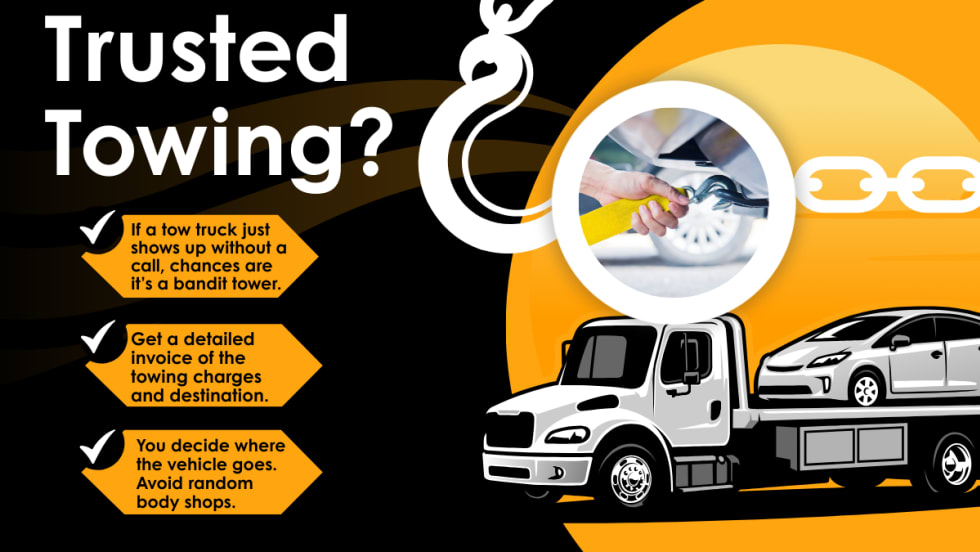
Bandit Towing A Tough Road For Car Rental Companies
Operators often must spend far too much time and resources trying to recoup rental cars towed away and held hostage to outrageously high fees.
Read More →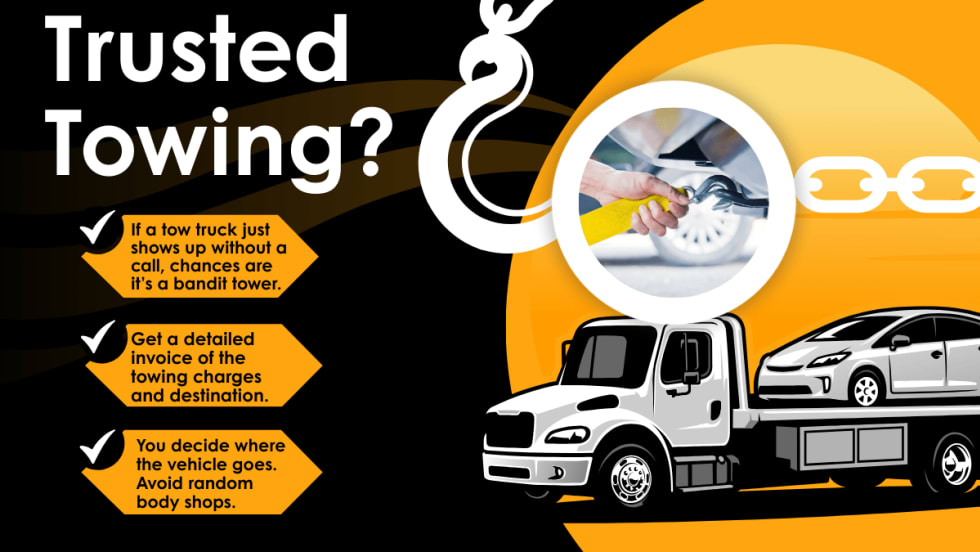
Bandit Towing A Tough Road For Car Rental Companies
Operators often must spend far too much time and resources trying to recoup rental cars towed away and held hostage to outrageously high fees.
Read More →
ACRA: Spurring Car Rental Industry Success
The American Car Rental Association scored more access and influence in 2025 as it grows its services for car rental operators.
Read More →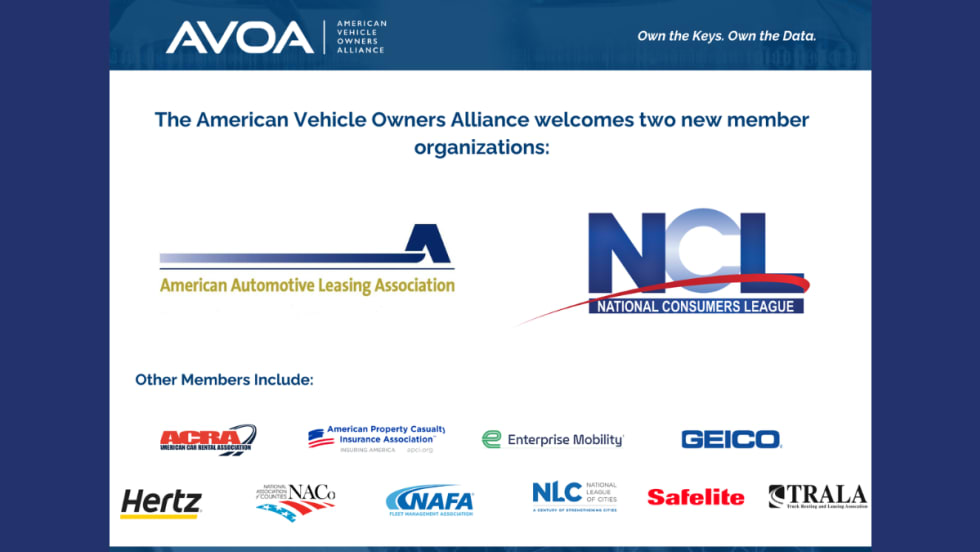
AVOA Partners with AALA and NLC
The American Vehicle Owners Alliance (AVOA) recently announced its partnership with the American Automotive Leasing Association (AALA) and the National League of Cities (NLC).
Read More →
ACRA Takes Bold Strides On Capitol Hill
The American Car Rental Association’s annual legislative and lobbying event upped the face time with and access to members of Congress.
Read More →