




Mercury Adds Nevada, Arizona to Ride-Hailing Insurance
Mercury Insurance now provides coverage for Transportation Network Company (TNC) drivers — such as Lyft and Uber — in the states of California, Nevada and Arizona.

A Lyft driver. Photo courtesy of Lyft.

A Lyft driver. Photo courtesy of Lyft.
Mercury Insurance is now offering ride-hailing insurance to cover Uber, Lyft and other Transportation Network Company (TNC) drivers in the states of California, Nevada and Arizona.
This new coverage will provide drivers with insurance that will bridge the gap between their personal auto insurance and the coverage provided by their TNC, according to Mercury.
In the past, ride-hailing drivers have been left without coverage by their insurance companies if they got into an accident while their ride-hailing app was on but hadn’t accepted a ride. This new coverage will close that gap and provide drivers with access to coverage throughout the entire ride cycle, says Mercury. Previously, drivers were only covered by TNC commercial insurance once they accepted a ride.
“Many Nevadans and Arizonans enjoy driving for companies like Uber and Lyft as a great way to earn a living or make extra cash because they can set their own hours, be their own bosses and meet new people,” said Jim Reeves, Mercury’s research and development group manager. “Many of them are unknowingly putting themselves and other drivers at risk, however, because they don’t have adequate insurance coverage in the event they get into an accident when their app is on but they haven’t accepted a ride.”
The ride-hailing drive cycle is divided into three periods:
Period 1: Drivers have turned on the ride-hailing app but haven't accepted a fare.
Period 2: Drivers have accepted a fare and are on their way to pick up the passenger(s).
Period 3: Drivers are transporting passenger(s) to their destinations.
Mercury's ride-hailing insurance will extend drivers' personal auto policies from Period 1 through Period 3 of the drive cycle, allowing them to obtain coverage not provided by their ride-hailing companies, according to the company.
This means that if drivers get into an accident during any period of the drive cycle and have Mercury's ride-hailing insurance, they will have coverage beyond the coverage provided by their TNC. Mercury's ride-hailing insurance will also fix the insured's vehicle in a covered loss if those coverages had been purchased from Mercury, according to the company.
"Mercury wants to ensure these individuals are able to earn an honest living without having to worry about paying costly repair or medical bills out-of-pocket - and we'll be able to offer this peace of mind for as little as 20 cents a day," said Reeves.
For more information, visit http://www.mercuryinsurance.com/ride-hailing-insurance/united-states.html.
More Rental Operations
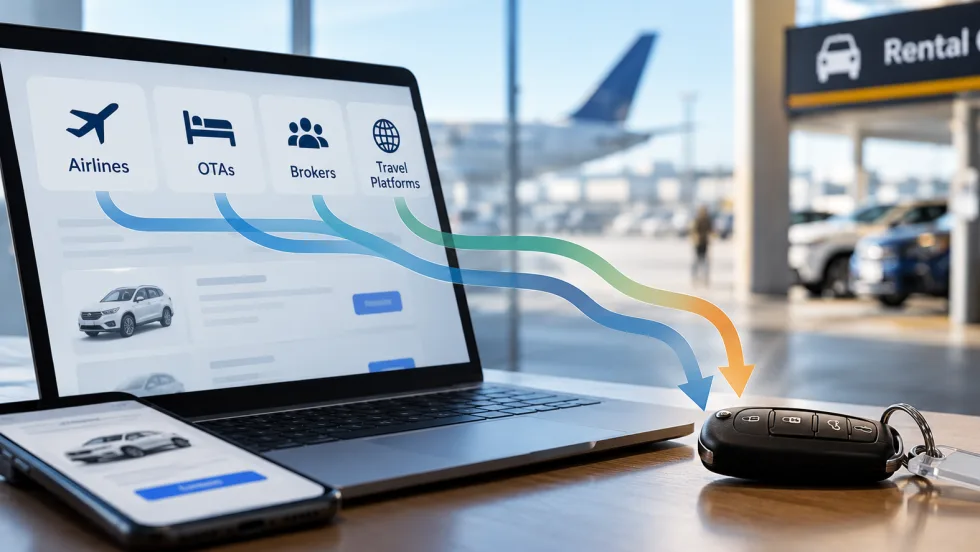
Direct, Broker or Hybrid? How Travel Retailers Source Rental Cars
As travel retailers weigh direct supplier relationships against third-party distribution, rental operators need to understand how those decisions affect their business.
Read More →
How Did This Independent Rental Operator Grow to 170 Vehicles in 4 Years?
With 170 vehicles across three Kentucky locations, Joel Price relies on an overseas team to handle reservations, payments, and after-hours customer service. It's one part of an unconventional approach to growing an independent rental operation.
Read More →
What Does It Take to Succeed in B2B Rentals?
The fundamentals may be familiar to daily car rental operators, but project-based truck rentals put different demands on the fleet and the business.
Read More →
NPR Builds on International Partnerships to Grow Rental Bookings
With Ana Laborde supporting broker development, NPR Auto Group is tailoring distribution strategies, rate packages, and partnerships to grow international reservations across its three brands.
Read More →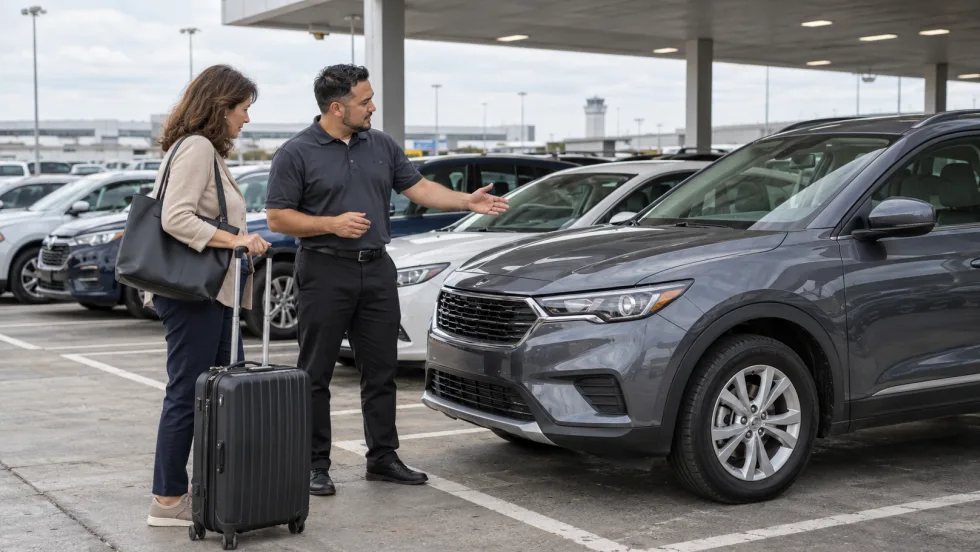
Advantage, Sixt Place Among Top Five in Annual Satisfaction Study
While Enterprise and National retain the top spots in JD Power’s 2026 rankings, the latest customer satisfaction results suggest renters can find competitive service beyond the biggest car rental names.
Read More →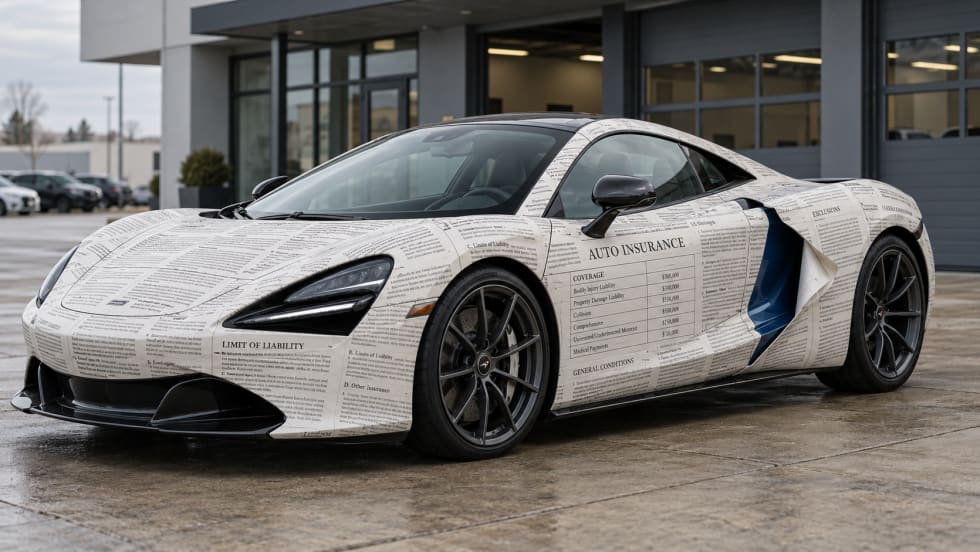
The $100,000 Insurance Trap in Exotic Car Rentals
Exotic rental agencies often rely on customers’ personal auto policies to protect six-figure vehicles. But policy language can dramatically change the coverage for vehicles over $100,000 MSRP.
Read More →
The Booking Is Confirmed, But Is Your Customer Ready to Drive?
For international renters, a confirmed reservation doesn’t always mean they’re eligible to drive. Earlier checks can help operators catch documentation and payment issues before the customer reaches the counter.
Read More →
ICRS 2027 Opens Call for Papers
The International Car Rental Show seeks session proposals on the business, operational, and technology issues facing car rental operators. Submissions are due Jan. 15.
Read More →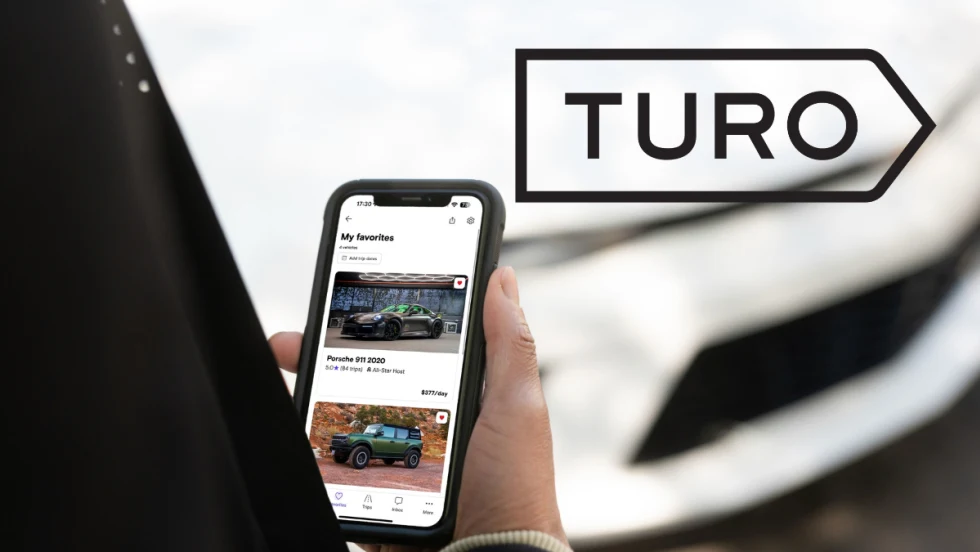
Turo to Launch Vehicle Delivery Service
Turo Delivered will let travelers search for vehicles that hosts can deliver directly to hotels, homes, airports, train stations, and other locations.
Read More →
Palm Beach Airport Code Change Creates Car Rental Distribution Gap
A test of rental searches under the old PBI and new DJT airport codes returned largely different sets of brands and vehicles, highlighting a potential distribution problem for rental operators.
Read More →