



Most Government-Bought Flex-Fuel Vehicles Still Use Standard Gas
Many vehicles were sent to locations hundreds of miles from any alternative fueling sites.
A costly federal government effort to put more workers into vehicles powered by ethanol and other fuel alternatives has suffered endless problems, many of them caused by buying vehicles before fuel stations were in place to support them, according to the Washington Post. As a result, more than 92 percent of the fuel used in the government's alternative-fuel fleet continues to be standard gasoline.
Federal agencies have gradually increased their fleets of alternative-fuel vehicles, a majority of them "flex-fuel," capable of running on either gasoline or ethanol-based E85 fuel. The increase took place under a mandate from Congress. But many of the vehicles were sent to locations hundreds of miles from any alternative fueling sites, the analysis shows.
A 2005 law -- meant to align the vehicles with alternative-fuel stations -- now requires agencies to seek waivers when a vehicle is more than five miles or 15 minutes from an ethanol pump.
The latest generations of alternative vehicles are a big part of the problem. Often, the vehicles come only with larger engines than the ones they replaced in the fleet. The federal program known as EPACT has sometimes increased gasoline consumption and emission rates, the opposite of what was intended.
For example, the Postal Service estimates that its 37,000 newer alternative-fuel delivery vans, which can run on high-grade ethanol, consumed 1.5 million additional gallons of gasoline last fiscal year because of the larger engines.
The vehicles that would allow the agency to meet federal mandates were available in six- and eight-cylinder models -- not the four-cylinder variety it traditionally purchased. Alternative fuel was used less than 1 percent of the time in 2007-2008.
The Department of Energy defended its efforts, saying The U.S. government is promoting diversification of alternative fuels and vehicles and is working with private industry partners to develop and grow infrastructure of alternative fuels."
Department of Energy spokeswoman Jennifer Scoggins pointed to a two-year growth spurt of E85 stations, which dispense fuel that is 85 percent ethanol and 15 percent gasoline. Since 2006, ethanol stations have increased from 481 to 1,689 nationally, but most are in the Midwest. Station owners face a vexing challenge: how to compete with more than 160,000 gasoline stations located on nearly every street corner, especially as gas prices drop.
More Rental Operations
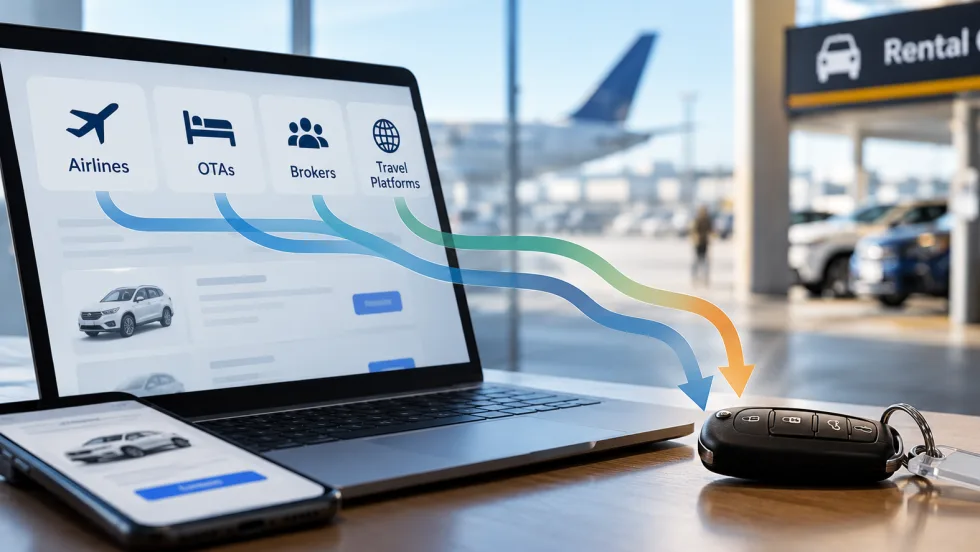
Direct, Broker or Hybrid? How Travel Retailers Source Rental Cars
As travel retailers weigh direct supplier relationships against third-party distribution, rental operators need to understand how those decisions affect their business.
Read More →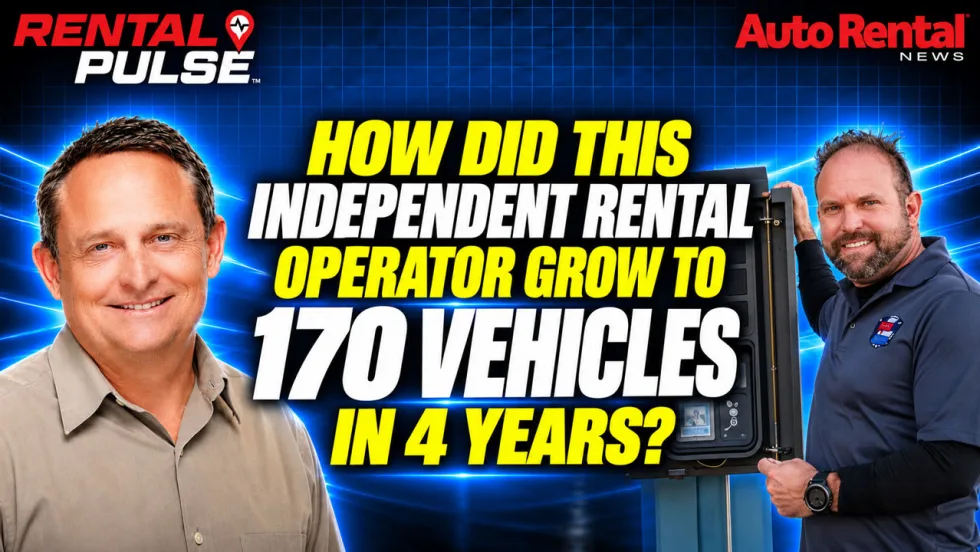
How Did This Independent Rental Operator Grow to 170 Vehicles in 4 Years?
With 170 vehicles across three Kentucky locations, Joel Price relies on an overseas team to handle reservations, payments, and after-hours customer service. It's one part of an unconventional approach to growing an independent rental operation.
Read More →
What Does It Take to Succeed in B2B Rentals?
The fundamentals may be familiar to daily car rental operators, but project-based truck rentals put different demands on the fleet and the business.
Read More →
NPR Builds on International Partnerships to Grow Rental Bookings
With Ana Laborde supporting broker development, NPR Auto Group is tailoring distribution strategies, rate packages, and partnerships to grow international reservations across its three brands.
Read More →
Advantage, Sixt Place Among Top Five in Annual Satisfaction Study
While Enterprise and National retain the top spots in JD Power’s 2026 rankings, the latest customer satisfaction results suggest renters can find competitive service beyond the biggest car rental names.
Read More →
The $100,000 Insurance Trap in Exotic Car Rentals
Exotic rental agencies often rely on customers’ personal auto policies to protect six-figure vehicles. But policy language can dramatically change the coverage for vehicles over $100,000 MSRP.
Read More →
The Booking Is Confirmed, But Is Your Customer Ready to Drive?
For international renters, a confirmed reservation doesn’t always mean they’re eligible to drive. Earlier checks can help operators catch documentation and payment issues before the customer reaches the counter.
Read More →
ICRS 2027 Opens Call for Papers
The International Car Rental Show seeks session proposals on the business, operational, and technology issues facing car rental operators. Submissions are due Jan. 15.
Read More →
Turo to Launch Vehicle Delivery Service
Turo Delivered will let travelers search for vehicles that hosts can deliver directly to hotels, homes, airports, train stations, and other locations.
Read More →
Palm Beach Airport Code Change Creates Car Rental Distribution Gap
A test of rental searches under the old PBI and new DJT airport codes returned largely different sets of brands and vehicles, highlighting a potential distribution problem for rental operators.
Read More →