





More News: February Fleet Sales Rebound
New-Vehicle Supply Edges Higher, Prices Dip Again
The supply of unsold new vehicles as March opened was about 1.5 million vehicles less than the stock of a year ago and 2.4 million less than in 2020.
March 17, 2022
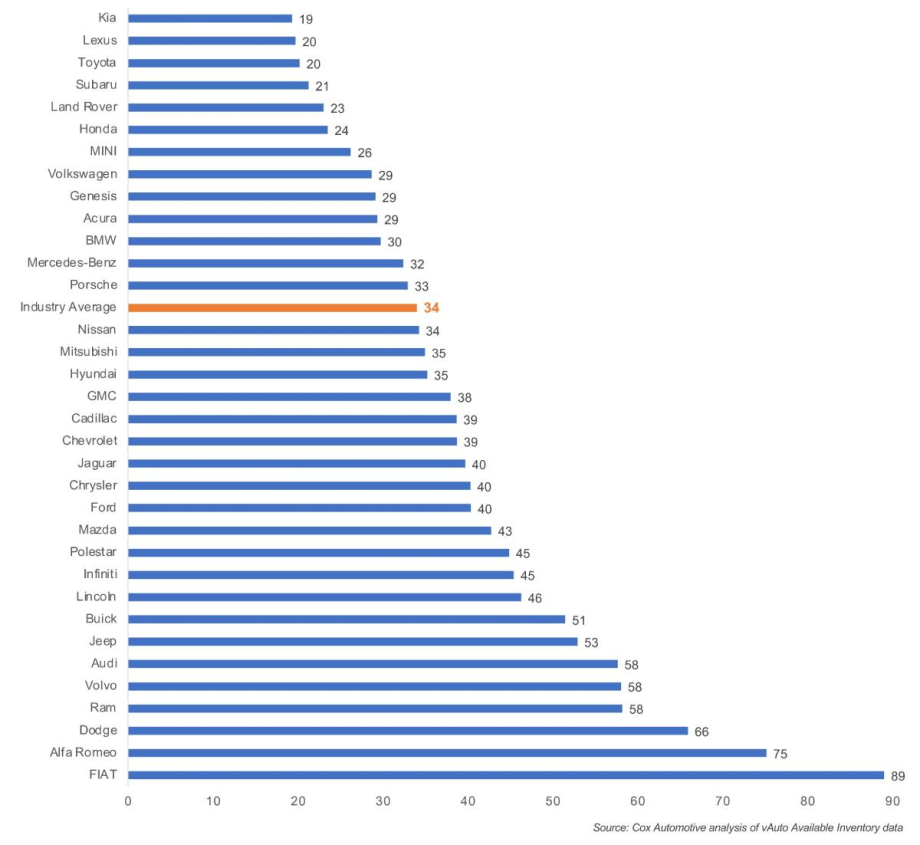
Non-luxury vehicles had a supply of 929,371 vehicles, for a 34 days’ supply. Available luxury vehicles totaled 141,501 vehicles for a 35 days’ supply.
Source: Cox Automotive
4 min to read
New-vehicle inventory edged higher in the last two weeks of February, although days’ supply fell from January, according to a Cox Automotive analysis of vAuto Available Inventory data released March 16. Prices slipped again, staying below $45,000.
The total U.S. supply of available unsold new vehicles stood at 1.07 million units at the start of March. That compared with the revised January available supply of 1.06 million vehicles.
Still, available supply was down 59% from the same period in 2021. In raw numbers, the supply of unsold new vehicles as March opened was about 1.5 million vehicles less than the stock of a year ago and 2.4 million less than in 2020.
“Supply has improved in recent weeks, but only marginally,” said Charlie Chesbrough, Cox Automotive senior economist, in a news release. “Sales in March will be higher than February, but that will be due to three more selling days and not a significant change in availability.”
The days’ supply of unsold new vehicles was 34 at the start of March, down from 37 in early February. The total days’ supply bottomed out at the end of September at 25. Still, the day’s supply at the start of March remained 50% below the end of February 2021.
The Cox Automotive days’ supply is based on the daily sales rate for the most recent 30-day period, in this case, ended March 1. Total light new vehicle sales in February were down 12% from a year ago with the same number of selling days compared to last year. By volume, February new-vehicle sales were up 6% over January, but the February light vehicle seasonally adjusted annual rate (SAAR) was 14.1 million, which was down from last year’s 15.9 million and 6% lower than January’s 15 million rate.
Lower sales are due to a lack of inventory, not a lack of demand, which remains robust. In fact, if not for near-record prices, demand might even be higher.
The auto industry is contending with multiple problems that are disrupting the supply chain: the stubborn and continued chip shortage; a surge in COVID-19 in Asia, specifically China, that has prompted lockdowns and plant closures; and now Russia’s invasion of Ukraine. They have combined to cause the number of vehicles cut from automakers’ production schedules to surge, especially in Europe and Asia.
Prices Slip Again
The average listing price – or the asking price – dropped by the end of February to $44,704, a decrease from the revised end-of-January price of $44,814. Still, that price was 12% above February 2021. The average listing price for luxury vehicles was $65,044, according to Cox Automotive data. The non-luxury average listing price was down to $41,572.
The average transaction price – the price people paid – also decreased again in February to $46,085, according to data from Kelley Blue Book, after reaching a record in December 2021. Prices fell due to fewer luxury vehicles being sold in February. Still, prices are elevated, with the average transaction price was about $5,000 higher in February than it was a year ago.
Import Brands Have Lowest Supply
Non-luxury vehicles had a supply of 929,371 vehicles, for a 34 days’ supply. Available luxury vehicles totaled 141,501 vehicles for a 35 days’ supply.
All brands with the below-average inventories were imports. Brands with the very lowest inventories held the same rankings as the previous week: Kia, Lexus, Toyota, Subaru, Land Rover and Honda. Brands with higher inventory were Ram, Volvo, Audi, Jeep, Buick and Lincoln.
Among segments, the lowest inventories were for high performance cars, minivans, compact and midsize cars, luxury crossovers and midsize SUVS. Of the six segments with the highest inventories, five were cars – luxury and larger cars. Full-size trucks, which require more inventory due to the large number of configurations, also were at the higher end.
The 16 most popular models with the lowest inventories were imports from Toyota, Honda, Kia, Lexus and Subaru. At the bottom, again, was the Subaru Forester followed by the Honda Civic.
Popular models with the highest inventory were mostly domestic trucks and SUVs. Popular models with the highest inventory were Ram 1500, Ford Escape, Chevrolet Silverado, Mazda CX-5 and Jeep Grand Cherokee L.
In terms of price categories, the highest days’ supply was for vehicles priced between $50,000 and $60,000 and above $80,000. Less expensive vehicles had the lowest days’ supply. Vehicles priced between $20,000 to $30,000 had the lowest days’ supply at 28.
Originally posted on Vehicle Remarketing
More Remarketing
Rental Fleet Sales Skating Just Above 2025 Levels
The U.S. economy's continued growth and positive business investment are creating a favorable environment for fleet vehicle demand.
Read More →
Cross-Pressures, Evolving Trends Drive 2026 Rental Car Industry
A combination of cautious economic behavior, shifts in the rental vehicle market, and technological influences are shaping car rental operator decisions.
Read More →
Wholesale Used Vehicle Prices Slightly Up In April
The Iranian conflict and rising gas prices inject much uncertainty into the future wholesale used vehicle markets, as higher gas prices soak up spendable income from vehicle buyers.
Read More →
Surprice Opens Two Rental Branches In Japan
The launch highlights the global car rental operation’s growing presence in Asia.
Read More →
Wholesale Used Vehicle Prices Up In February
Solid demand at Manheim auctions with higher sales conversion rates indicate an appetite from dealers to buy.
Read More →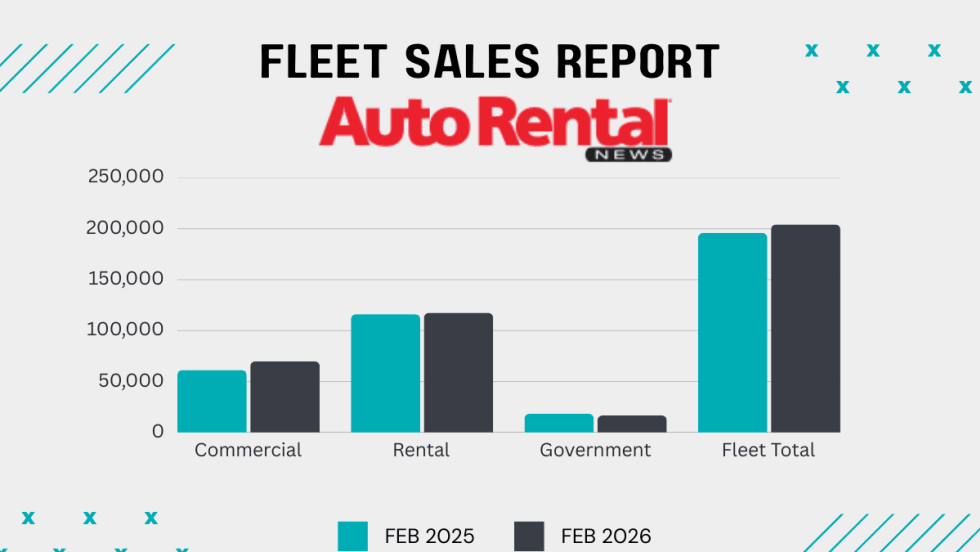
Rental Fleet Sales Slow In February Ending A Strong Streak
Commercial fleets posted the most gains, sustaining increases in monthly and year-to-date fleet sales
Read More →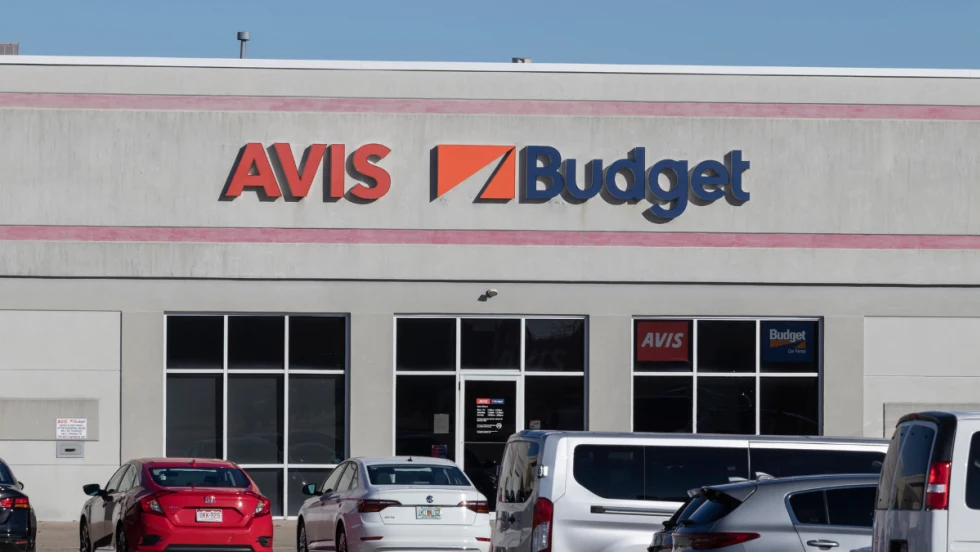
Avis Budget Group Reports Near $1 Billion Loss Tied To 2025 EV Fleet Write-Down
Following Hertz, the company is the second global car rental conglomerate to sustain sizable losses due to lower customer demand and usage of electric rental cars.
Read More →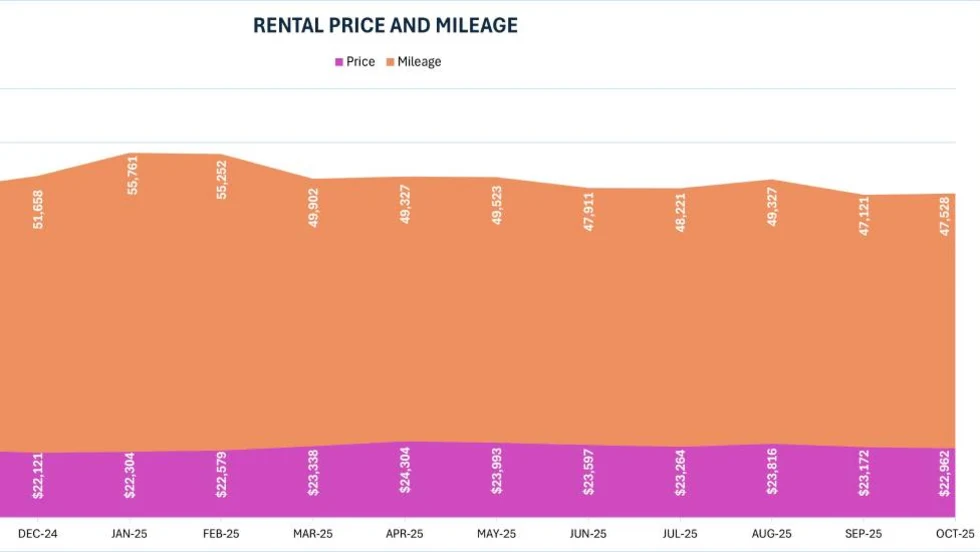
2025 Rental Vehicle Remarketing Summary And Outlook
The year brought modest and flatter results across wholesale values, total off-rental supply, and rental risk units.
Read More →
Auctions Record Highest Vehicle Sales Since 2019
2025 figures show a steady recovery in wholesale vehicle activity this decade.
Read More →
DriveItAway Holdings, Free2move Launch Operations In Nine Cities
The co-branded program with Stellantis’ mobility division scales up leasing and financing options nationwide with more cities to come online in 2026.
Read More →