


NYC Passes Bill to Establish Carsharing Program
To reduce the total number of existing motor vehicles in its city fleet, New York City will begin implementing a city carsharing program in 2016.

Photo via Wikimedia.

Photo via Wikimedia.
New York City has passed a bill to bring carsharing into its city fleet. The city will establish a carsharing program for the fleet of light-duty passenger vehicles owned by the city, excluding certain emergency, specially designed, enforcement and inspection vehicles.
Over a five-year period beginning on Jan. 1, 2016, New York City would need to reduce the size of its passenger vehicle fleet by at least 9% through strategies like carsharing. The city would be required to submit annual reports on the program to the city council, according to the Committee on Transportation.
New York City owns and operates almost 27,000 vehicles as part of its municipal fleet, costing about $700 million annually, according to the NYC Department of Citywide Administrative Services. Currently, light-duty passenger vehicles make up 42% of New York City’s fleet. Since 2012, the city has been trying to streamline fleet operations and lower costs.
More Rental Operations
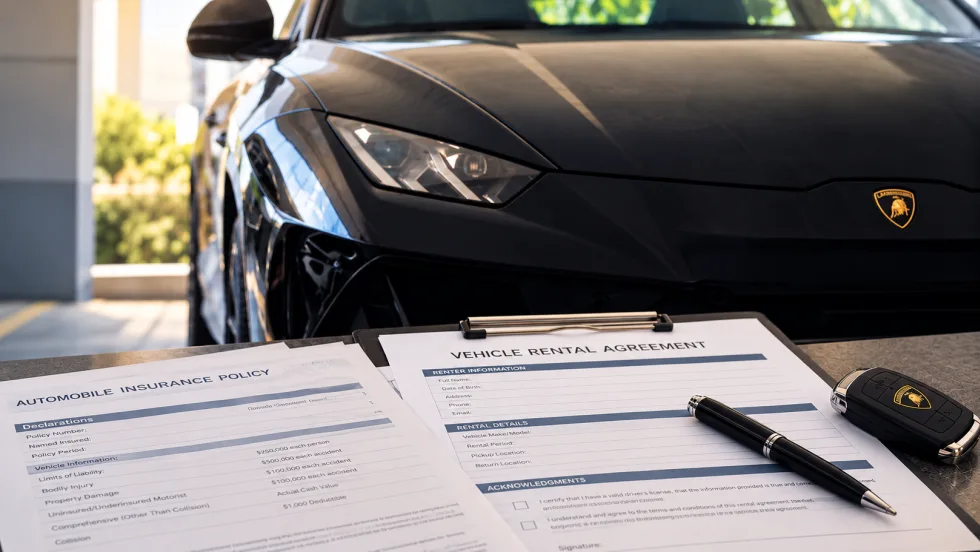
Clean on Paper: Red Flags in Exotic Car Rental Verification
A suspicious $45,000 Lamborghini booking reveals the strengths and limitations of renter verification, from forged insurance documents to coverage gaps and unauthorized drivers. (Part 2 of 3)
Read More →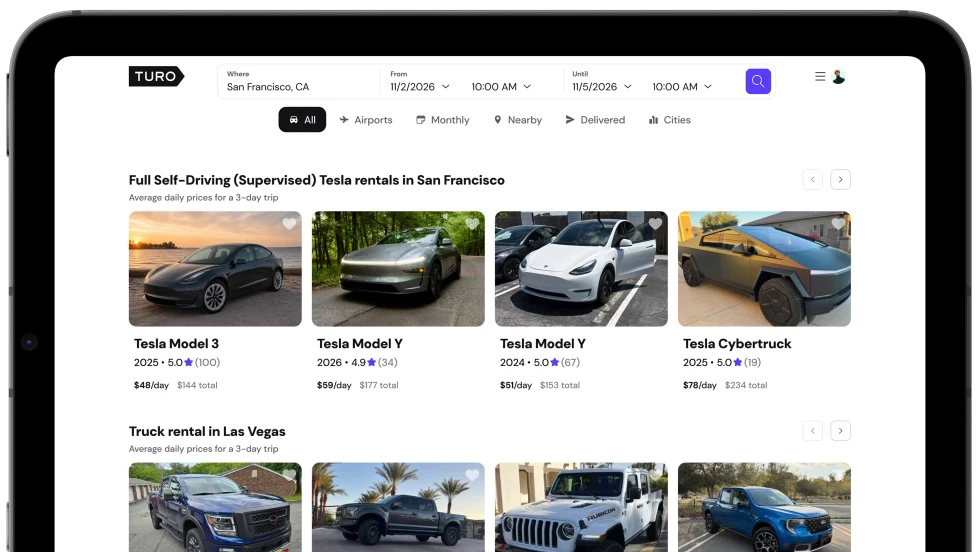
Turo and Tesla Take the Next Step Toward Autonomous Car Rentals
The partnership brings Tesla's Full Self-Driving (Supervised) technology into the rental experience, offering a glimpse of how increasingly automated vehicles could change car rental.
Read More →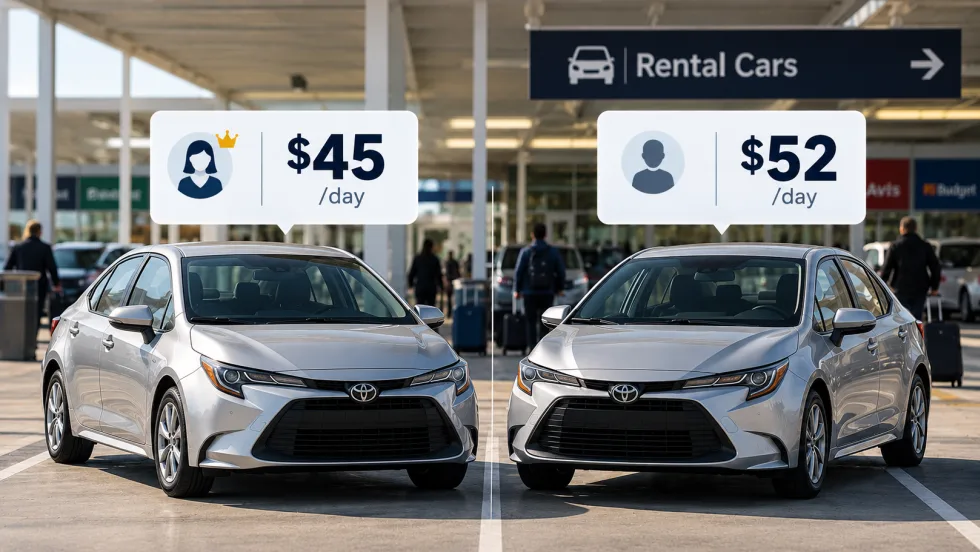
How Rental Operators Can Navigate Personalized Pricing Rules
As regulators scrutinize the use of customer data in pricing, rental operators need to know whether they can explain why one renter pays more than another.
Read More →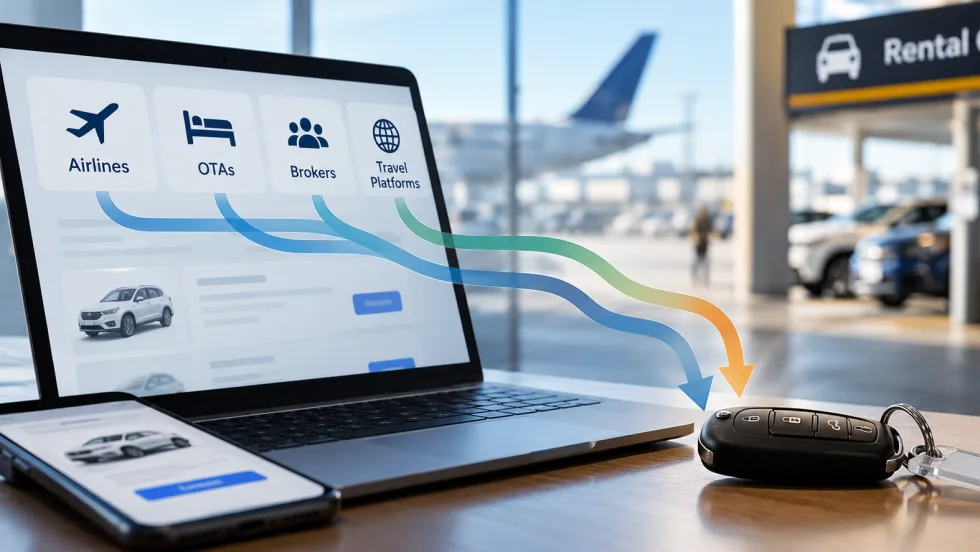
Direct, Broker or Hybrid? How Travel Retailers Source Rental Cars
As travel retailers weigh direct supplier relationships against third-party distribution, rental operators need to understand how those decisions affect their business.
Read More →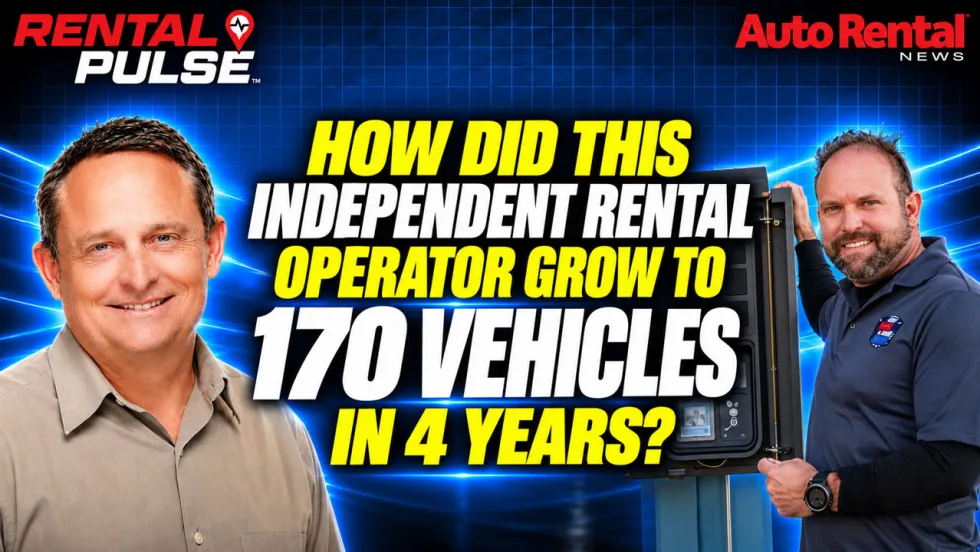
How Did This Independent Rental Operator Grow to 170 Vehicles in 4 Years?
With 170 vehicles across three Kentucky locations, Joel Price relies on an overseas team to handle reservations, payments, and after-hours customer service. It's one part of an unconventional approach to growing an independent rental operation.
Read More →
What Does It Take to Succeed in B2B Rentals?
The fundamentals may be familiar to daily car rental operators, but project-based truck rentals put different demands on the fleet and the business.
Read More →
NPR Builds on International Partnerships to Grow Rental Bookings
With Ana Laborde supporting broker development, NPR Auto Group is tailoring distribution strategies, rate packages, and partnerships to grow international reservations across its three brands.
Read More →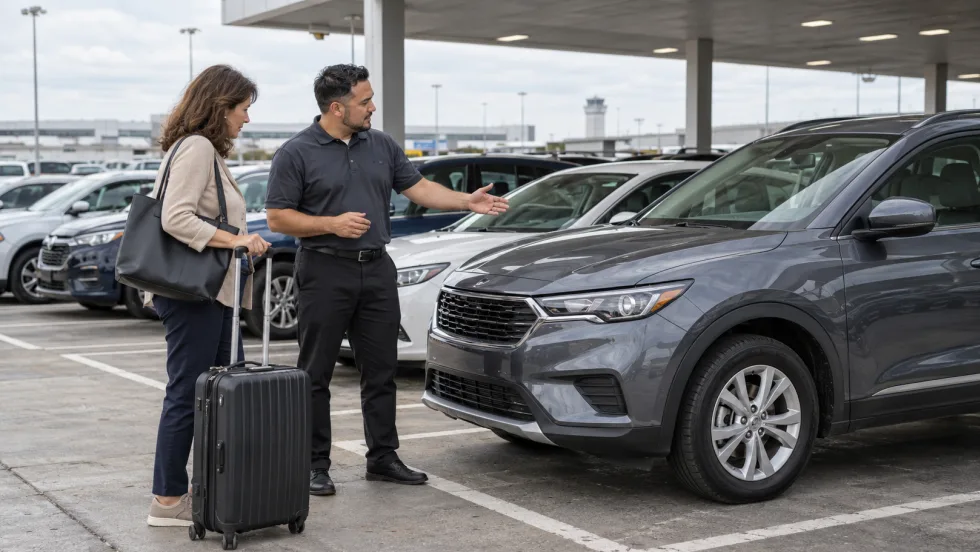
Advantage, Sixt Place Among Top Five in Annual Satisfaction Study
While Enterprise and National retain the top spots in JD Power’s 2026 rankings, the latest customer satisfaction results suggest renters can find competitive service beyond the biggest car rental names.
Read More →
The $100,000 Insurance Trap in Exotic Car Rentals
Exotic rental agencies often rely on customers’ personal auto policies to protect six-figure vehicles. But policy language can dramatically change the coverage for vehicles over $100,000 MSRP.
Read More →
The Booking Is Confirmed, But Is Your Customer Ready to Drive?
For international renters, a confirmed reservation doesn’t always mean they’re eligible to drive. Earlier checks can help operators catch documentation and payment issues before the customer reaches the counter.
Read More →