


Ride-Sharing Service Launches in Brazil
BlaBlaCar, a French-based ride-sharing service, launched in Brazil on Nov. 30. The mobile app and online service connects users needing a ride with drivers.
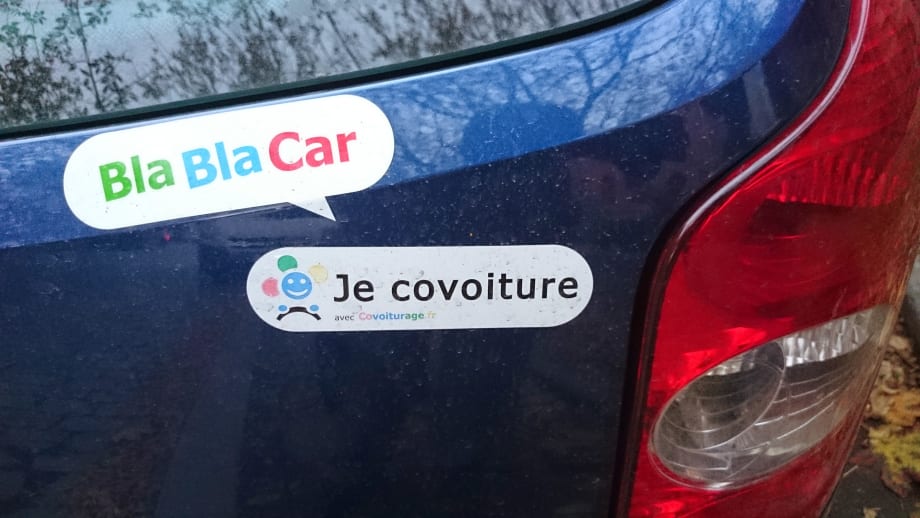
A BlaBlaCar sticker on a car. Photo via Wikimedia/Michal Beim
A BlaBlaCar sticker on a car. Photo via Wikimedia/Michal Beim
BlaBlaCar, a French-based ride-sharing service, launched in Brazil on Nov. 30, according to a report by The Rio Times. Similar to Uber and Lyft, the mobile app and online service connects users needing a ride with drivers.
Started in France in 2006, BlaBlaCar currently has 20 million users, says the report. Brazil is the company’s 20th country of operation, and it’s only the second country in Latin America (other than Mexico) using the service.
“We say that BlaBlaCar is a ‘global-local’ company,” Julien Lafouge, head of the Brazilian office, told The Rio Times. “It is global because it operates in 20 countries [including Brazil]. It is local because we pay attention to the small details of the countries where we operate.”
Users access the service via the app or website. Once registered, a user can create an online profile, where members can give feedback on one another, says the report. There is even a “BlaBla” measurement for willingness to chat on the drive.
BlaBlaCar is currently operating an office in Sao Paulo, says the report.
Click here for the full Rio Times report.
More Rental Operations

Hertz, Avis: Parsing the Q3 Headwinds and Tailwinds
Third-quarter results from Hertz and Avis show resilient pricing despite softer travel demand. Meanwhile, higher operating costs, recalls, uneven vehicle depreciation, and international weakness continue to put pressure on profits.
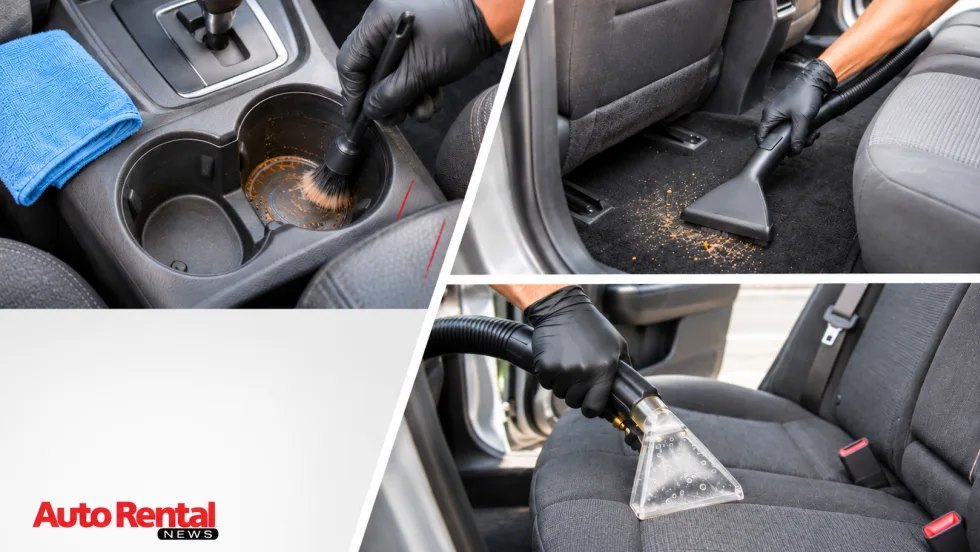
How Better Cleaning Processes Improve Rental Fleet Efficiency
A consistent approach to vehicle cleaning helps rental operators reduce turnaround delays and return vehicles to service without compromising cleanliness.
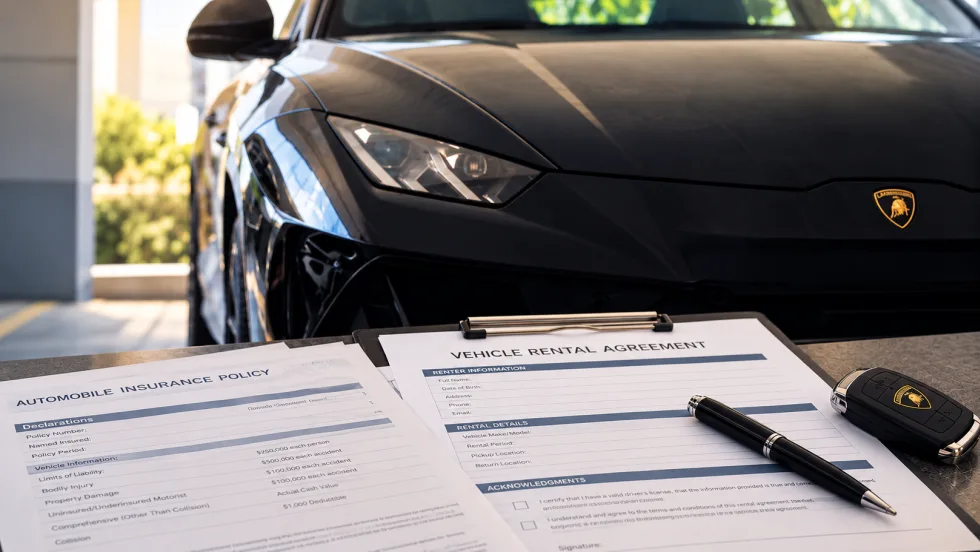
Clean on Paper: Red Flags in Exotic Car Rental Verification
A suspicious $45,000 Lamborghini booking reveals the strengths and limitations of renter verification, from forged insurance documents to coverage gaps and unauthorized drivers. (Part 2 of 3)
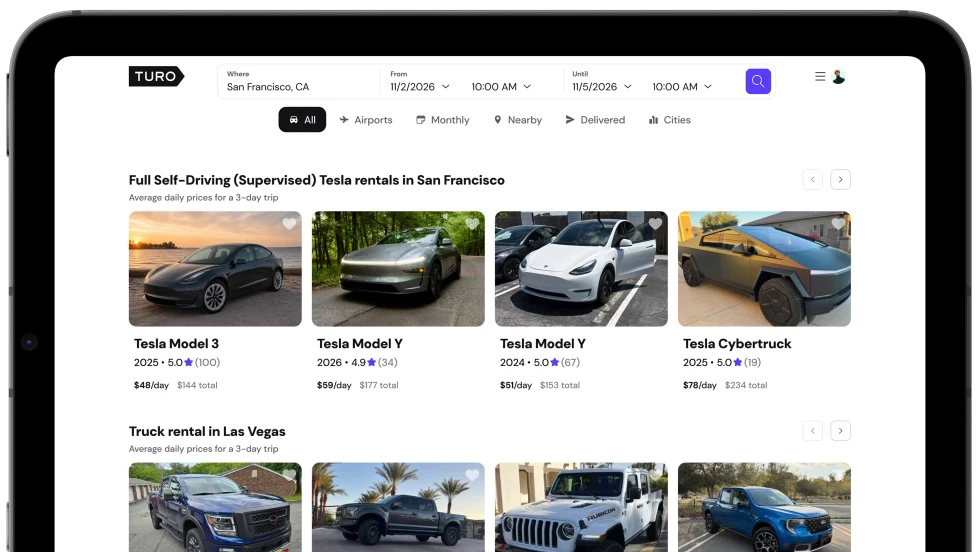
Turo and Tesla Take the Next Step Toward Autonomous Car Rentals
The partnership brings Tesla's Full Self-Driving (Supervised) technology into the rental experience, offering a glimpse of how increasingly automated vehicles could change car rental.
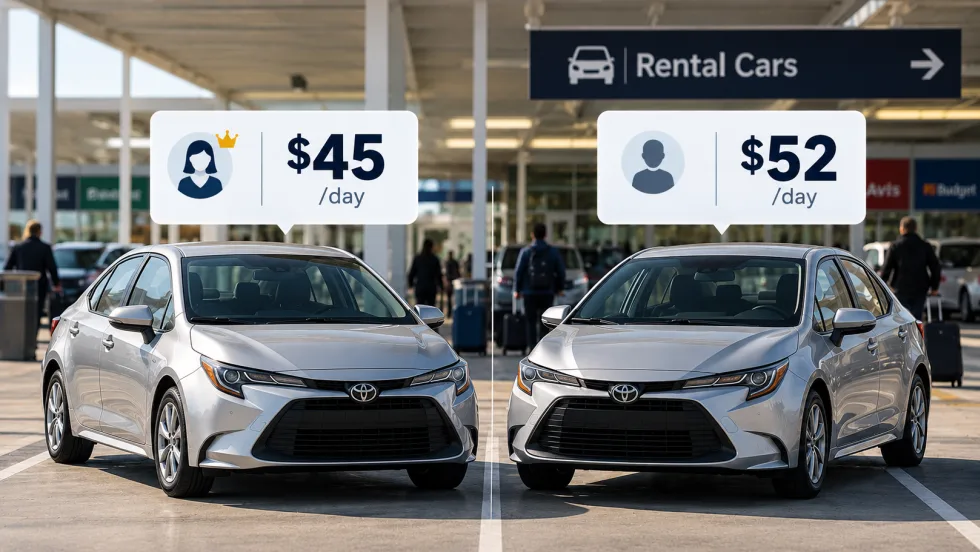
How Rental Operators Can Navigate Personalized Pricing Rules
As regulators scrutinize the use of customer data in pricing, rental operators need to know whether they can explain why one renter pays more than another.
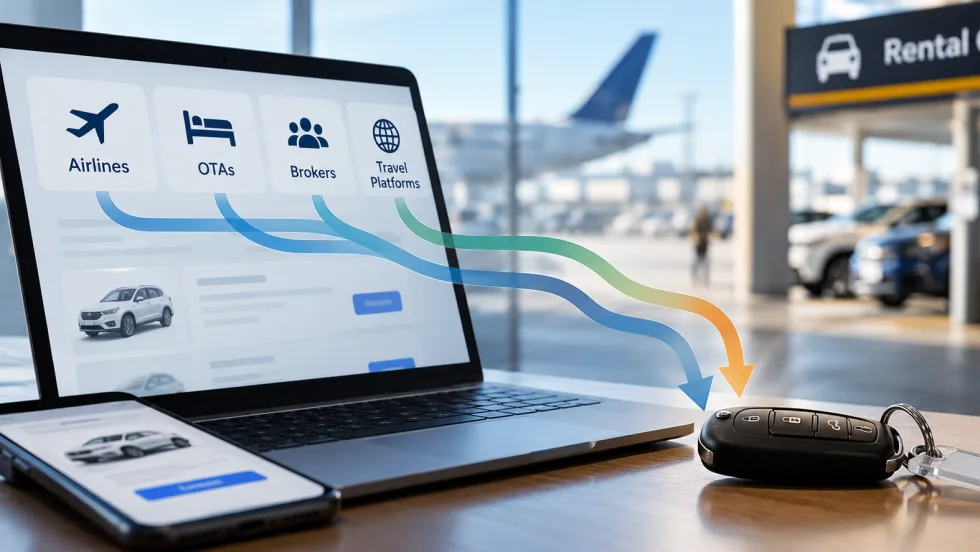
Direct, Broker or Hybrid? How Travel Retailers Source Rental Cars
As travel retailers weigh direct supplier relationships against third-party distribution, rental operators need to understand how those decisions affect their business.

How Did This Independent Rental Operator Grow to 170 Vehicles in 4 Years?
With 170 vehicles across three Kentucky locations, Joel Price relies on an overseas team to handle reservations, payments, and after-hours customer service. It's one part of an unconventional approach to growing an independent rental operation.

What Does It Take to Succeed in B2B Rentals?
The fundamentals may be familiar to daily car rental operators, but project-based truck rentals put different demands on the fleet and the business.

NPR Builds on International Partnerships to Grow Rental Bookings
With Ana Laborde supporting broker development, NPR Auto Group is tailoring distribution strategies, rate packages, and partnerships to grow international reservations across its three brands.
Advantage, Sixt Place Among Top Five in Annual Satisfaction Study
While Enterprise and National retain the top spots in JD Power’s 2026 rankings, the latest customer satisfaction results suggest renters can find competitive service beyond the biggest car rental names.