


SeaTac Wage Proposition Passes After Recount
After issuing a hand recount of the ballots cast on SeaTac Proposition 1, the living wage initiative still passed with a narrow victory.
A hand recount of the ballots cast on SeaTac Proposition 1 — would raise the minimum wage to $15 an hour for all employees in the hospitality and transportation industries in the city of SeaTac, Wash. — doesn’t look to have changed Prop 1’s marginal victory.
“Close only counts in horseshoes,” says Mike West, co-chair of Common Sense SeaTac, the citizen and business group that opposed the SeaTac living wage initiative. “Even though the citizens of SeaTac are narrowly divided on the wisdom of this idea, the businesses now have to prepare for living with this measure.”
Common Sense SeaTac’s committee requested King County recount the ballots on the measure, where only 77 votes separated the two sides with just over 6,000 votes cast.
“As we said during the campaign, this measure will have undesirable effects,” says West. “Across some 70 businesses, there are likely to be price increases, layoffs, changes in hiring, as well as the administrative costs expected on the taxpayers of SeaTac. But business managers are innovators and problem-solvers. Collectively, we will work with the city to seek the least costly path to implementation and individually each business will work to survive.”
The living wage measure calls for implementation on Jan. 1, 2014, but it must also survive legal challenges. Alaska Airlines, the Port of Seattle, the Washington Public Ports Association, the Washington Restaurant Association and Filo Foods have challenged numerous aspects of the initiative, according to Common Sense SeaTac.
More Legal & Legislative
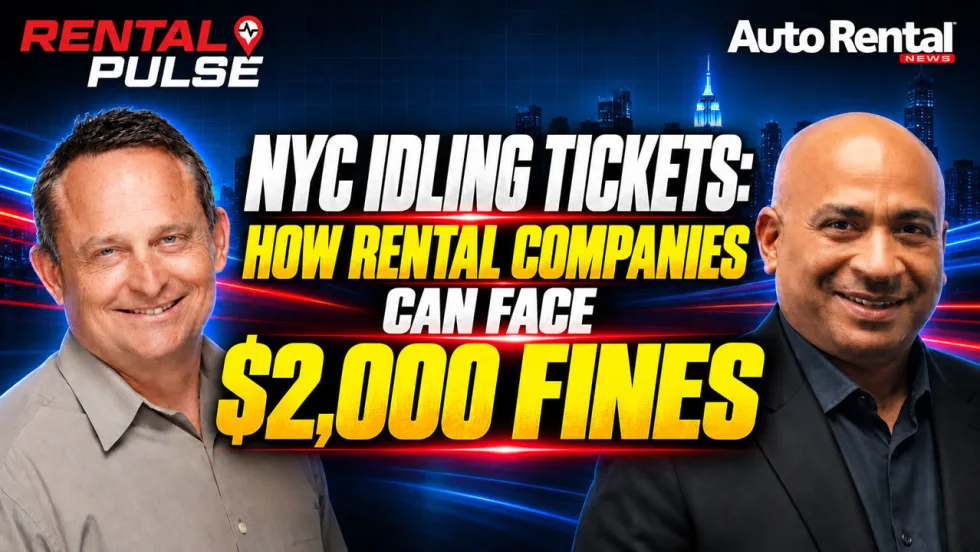
NYC Idling Tickets: How Rental Companies Can Face $2,000 Fines
A customer rents a diesel truck, idles it for three minutes while operating it, then returns it. Months later, the rental company gets a ticket that could cost up to $2,000. Edge Auto Rental's William Harris explains how New York City's idling enforcement creates headaches for rental operators.
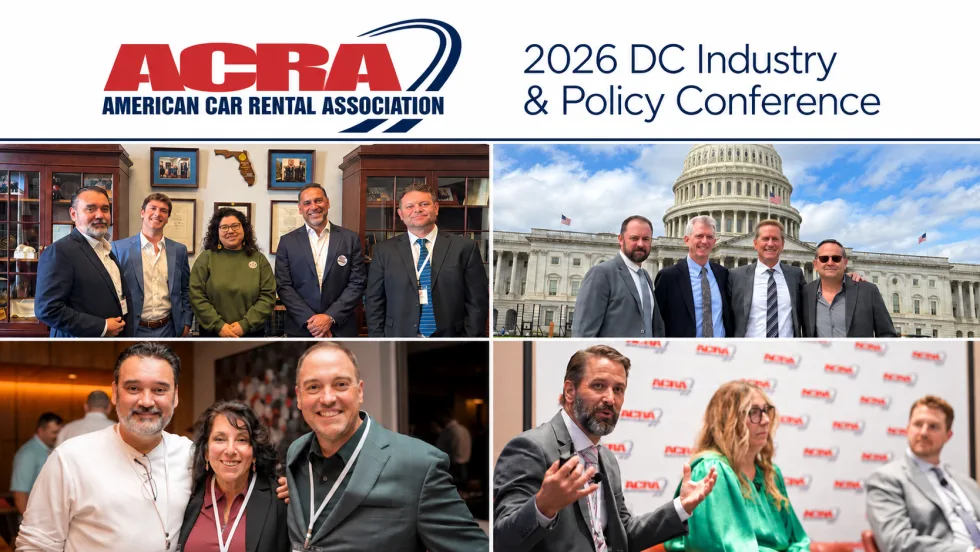
ACRA 2026 Annual DC Industry & Policy Conference in Photos
Car rental made its voice heard on Capitol Hill Sept. 22-25.

Hertz Settlement Expands Hand-Control Rental Vehicle Availability
A court-approved ADA settlement requires Hertz to add dedicated hand-control minivans, expand reservation access, and, when necessary, offer the least expensive vehicle capable of accepting hand controls.
Federal Appeals Court Upholds Colorado’s $3 Rental Car Fee
In a case brought by the American Car Rental Association on behalf of the rental industry, the 10th Circuit ruled that Colorado’s congestion impact fee falls on renters — not rental companies — and can remain in effect.

ACRA Carrying Fuller Industry Load As AI and EVs Lurk In Future
The leading car rental professional business group details an active legislative, regulatory, and macro-trends agenda affecting car rental operators.
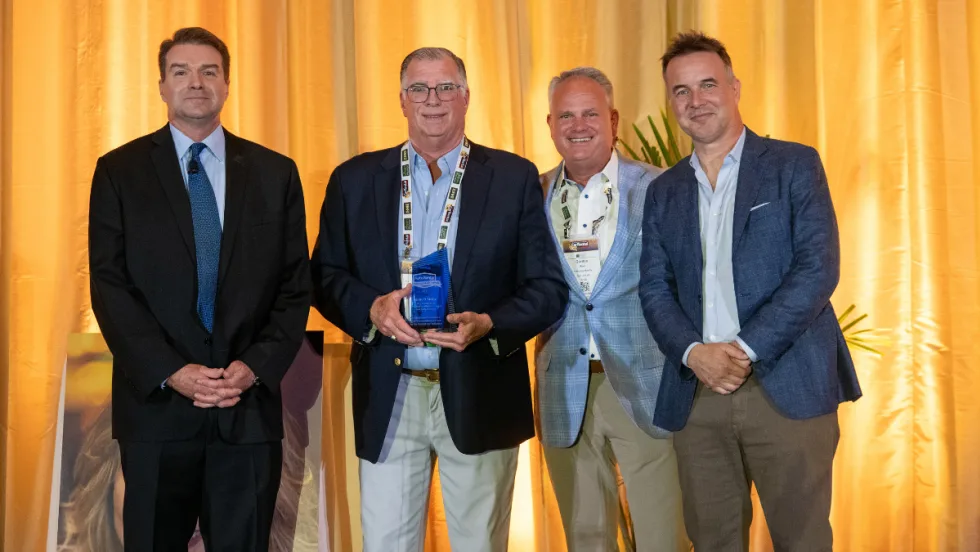
Government Affairs Executive Wins Leading Rental Car Industry Award
Robert Muhs started in the car rental industry with Avis Budget Group two years before the first International Car Rental Show.

Using AI To Find Rental Car Damage
Angry car renters are storming social media, the mainstream media, and online ratings platforms to complain about charges they claim are either unfounded or excessive.

Bandit Towing A Tough Road For Car Rental Companies
Operators often must spend far too much time and resources trying to recoup rental cars towed away and held hostage to outrageously high fees.

Bandit Towing A Tough Road For Car Rental Companies
Operators often must spend far too much time and resources trying to recoup rental cars towed away and held hostage to outrageously high fees.
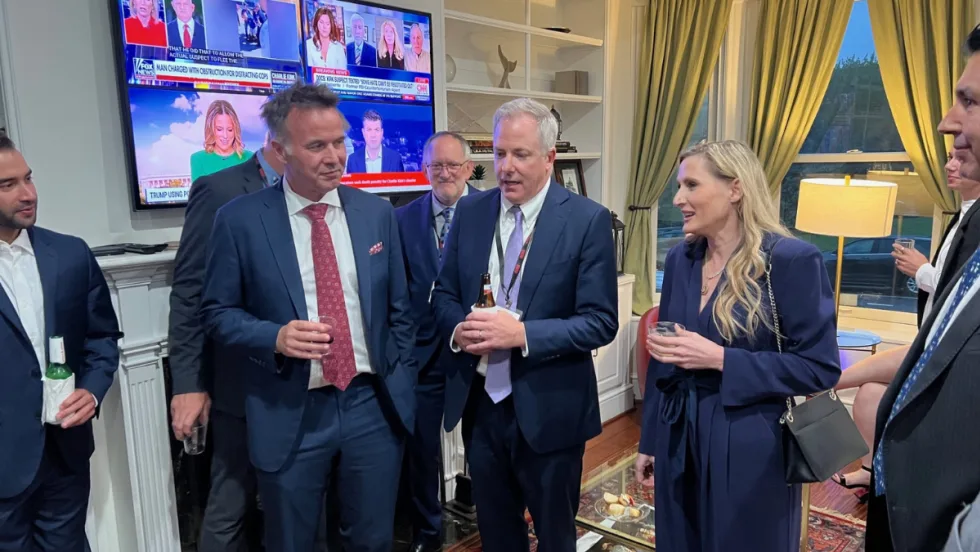
ACRA: Spurring Car Rental Industry Success
The American Car Rental Association scored more access and influence in 2025 as it grows its services for car rental operators.