




Study Indicates Travel Rebounding
WASHINGTON -- The travel industry is shaking off the aftershocks of 9/11, and both business and leisure travelers expect to hit the road more in the months ahead, according to a new study by Yes...
WASHINGTON -- The travel industry is shaking off the aftershocks of 9/11, and both business and leisure travelers expect to hit the road more in the months ahead, according to a new study by Yesawich, Pepperdine & Brown/Yankelovich Partners. Lingering concerns about the economy, however, still represent a potential drag on travel demand.
The study results were calculated from nationally representative polls of 1,351 leisure and 1,200 business travelers taken during the first quarter of 2002. All estimates are accurate to within +/-2.8% at the 95% level of confidence, the firm said.
Consumer attitudes toward travel have improved dramatically in recent months, said Peter C. Yesawich, president and CEO of Yesawich, Pepperdine & Brown, an Orlando-based marketing services firm that co-authors the annual survey with Yankelovich Partners. This is the 11th year the firm has published the national study of the travel habits, preferences and intentions of Americans.
The results of the survey reveal that over one-third of leisure travelers plan to take more trips in the next year. This would translate into a 6% increase in leisure trips taken by Americans if the plans expressed by those surveyed actually come to fruition. -- 36% say they will take more trips than last year. -- 39% expect to take the same number of trips as last year. -- 25% say they will take fewer trips than last year (or no trips).
The future intentions of business travelers were even more optimistic. Over four out of 10 business travelers plan to take more business trips in the coming year, compared to 22% who expect to take fewer trips. Overall, the results suggest there will be an 8% increase in business trips this year versus last.
"The results of this year's survey indicate clearly that the industry is poised for a recovery," Yesawich said. "There is still a small minority of travelers hesitant to travel too far from home, but there are far more people who are ready to reclaim their vacations from the fear and emotional trauma that devastated the industry in the aftermath of September 11th. The numbers bode well for the forthcoming summer travel season."
Concerns about the sluggish U.S. economy remain the primary deterrent to the travel industry's full recovery. Among leisure travelers who plan to travel less, "current economic conditions and financial reasons" were cited as the reason why by 37 percent. Only 5% of leisure travelers said air travel is now too big of a hassle, and just 4% believe it's not safe to fly.
For business travelers, the economy is by far the major concern. Nearly four in 10 business travelers who plan to take fewer trips in the year ahead cite "company restrictions because of concerns about the economy" (22%) and that "current economic conditions make it difficult to travel" (15%). Only 3% say air travel is now "too big of a hassle," and less than 1% feel it is unsafe to fly. Both percentages represent a dramatic decline from the level of concern expressed about the same issues in four other national surveys conducted by Yesawich, Pepperdine & Brown since September 11.
Recent reports about the growth of the U.S. economy during the first quarter augur well for the travel industry, however. "The recovery of the travel industry will undoubtedly mirror the economic upturn, particularly demand for business travel services," said Dennis Marzella, YP&B's senior vice president of research. "The corporate road warriors of America appear ready to hit the road again in increasingly larger numbers."
Nevertheless, it's clear that one of the legacies of the tragic events of last fall, the introduction of increased security measures at the nation's airports, has added to the frustration of business travel. Specifically, fully 32% of business travelers feel that the new security procedures make business travel "a big hassle," and 18% actually report flying less because of the associated inconvenience.
The study, titled "2002 National Travel Monitor," also reveals that Americans are becoming more comfortable with the use of the Internet to make travel plans and purchase travel services. This is particularly true for leisure travelers, 53% of which now report using the Internet during the previous 12 months to obtain information or rates online (up from 47% last year). More than half (55%) of business travelers consulted the Internet to obtain information, fares and rates during the past 12 months, the same percentage as last year. -- 39% of travelers who go online and use travel agents think the Internet is easier and faster to use for travel planning than a travel agent. 44% of business travelers feel the same way. -- 32% of leisure travelers actually made a reservation online during the past 12 months. Among business travelers, the percentage was 33%. -- 90% of both leisure and business travelers state that the web site feature they value most is "being able to check the lowest rates for airfare, hotels and car rental companies."
"Even though Internet usage is higher among leisure travelers today than in 2001, it is important to note that fully three out of every 10 leisure travelers still use the services of a travel agent. This is particularly true among older and more affluent travelers. Contrary to the expectations of some industry analysts, travel agents still play a very important role in directing leisure travel demand," Yesawich said.
When it comes to vacation preferences, the results of the survey reveal continued interest in destinations that consumers "have never been to before," (81%), beach experiences (67%), visiting arts/architectural and historic sites (51%), destinations that are remote and untouched (46%) and theme parks (45%).
The "dream destinations" for Americans remain similar to those identified last year. Florida (40%), California (38%), Colorado (19%), Hawaii (19%) and Arizona (18%) top the list of states, while the out islands of Hawaii (71%), national parks (66%), Honolulu (65%), Florida Keys (59%) and mountain resorts of Colorado (55%) top the individual destination list. Europe (71%), Australia (25%) and the Caribbean (18%) top the list of international destinations, while the Middle East (6%) was identified by only 6% of Americans.
More Rental Operations
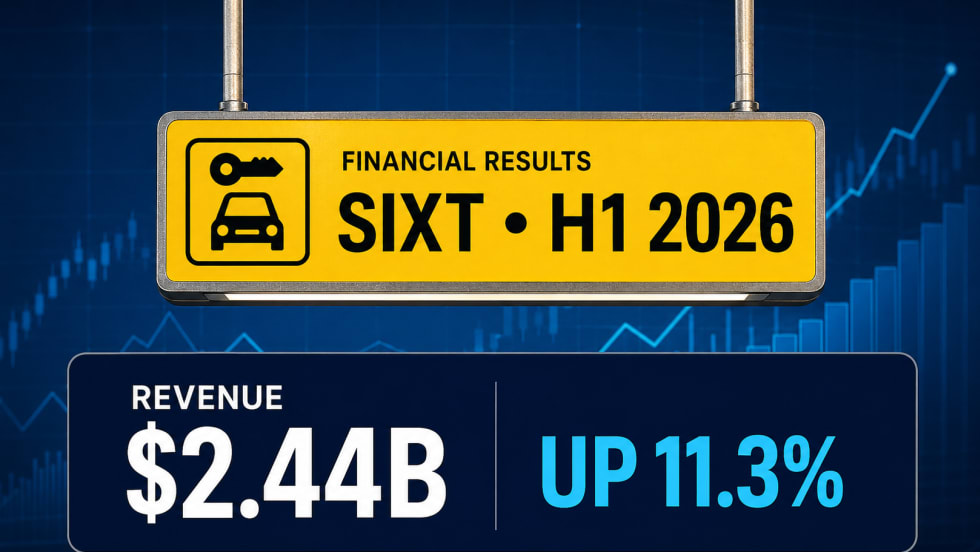
Sixt Revenue Tops $2.4 Billion in First Half of 2026
Sixt’s first-half revenue surpassed $2.4 billion for the first time as demand outpaced fleet growth, lifting utilization and earnings despite weaker consumer sentiment in North America.
Read More →
In Memoriam: Bobby Klyce, Avis Licensee Legend
The longtime Birmingham Avis operator and 2018 Auto Rental News Impact Award recipient was remembered as an advocate for independent licensees and the broader car rental industry.
Read More →
How to Build Custom Fleet Tools With AI and Vibe Coding [Webinar]
A new Automotive Fleet webinar explores how fleet managers are using AI and vibe coding to automate routine work and create simple operational tools without traditional programming skills.
Read More →
Car Rental Rates Forecast to Rise 3.6% in 2026 Before Easing in 2027
Car rental rates are projected to rise less than airfares and hotel rates in 2026, then become the only major travel category forecast to decline in 2027, according to projections from GBTA and ALTOUR.
Read More →
Avis Cuts Fleet as Summer Demand Trails Expectations
Avis Budget Group increased second-quarter earnings despite lower Americas revenue and softer-than-expected summer demand. The company also expanded Avis First and advanced its autonomous fleet operations with Waymo.
Read More →
Why Bookings Are Only the Start of the Rental Day
A reservation captures demand. The operating test is whether the business can keep the customer, vehicle, commercial terms, and next action aligned until the rental is closed.
Read More →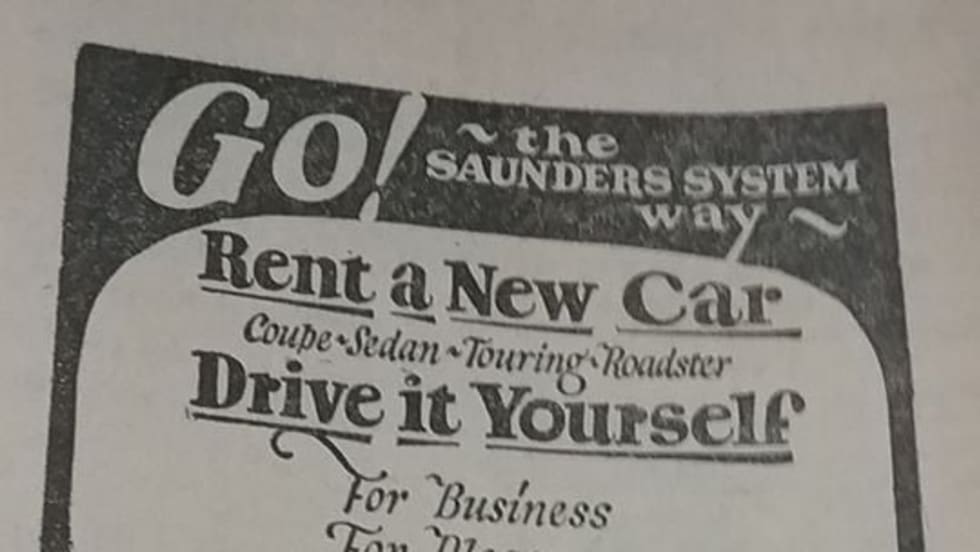
This Is the Oldest Car Rental Advertisement You’ll Ever See
This ad for Saunders Drive it Yourself, believed to be the first car rental company in the U.S., was found in an Omaha phone book from 1926.
Read More →
The Desk Upsell Is Costing Operators More Than it Earns
Counter upsells generate revenue, but they can also slow transactions, erode trust, and cost repeat business. Fully inclusive pricing may offer operators a better path to long-term value.
Read More →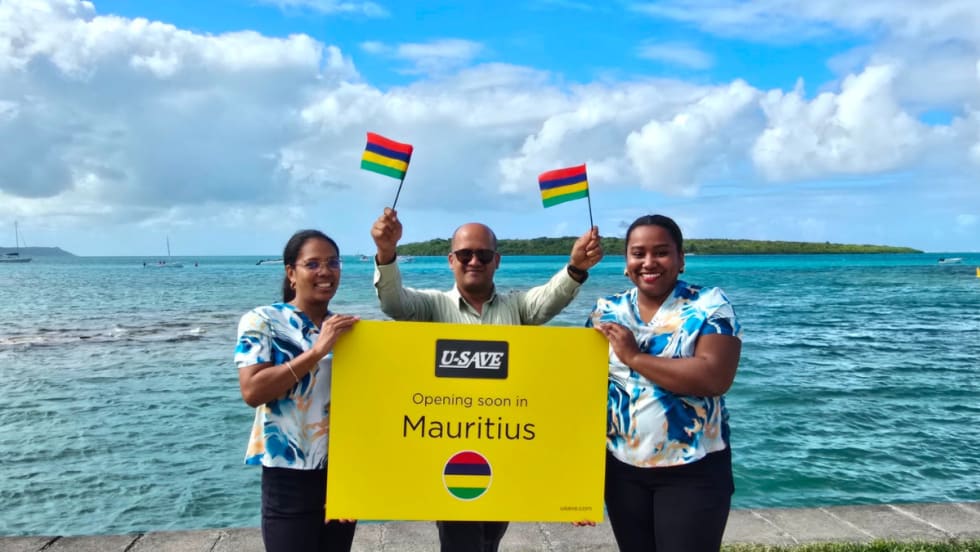
U-Save Expands Indian Ocean Presence with New Master Franchise for Mauritius
The franchise has been acquired by Mauritian travel entrepreneur Umarfarooq Omarjee, an established figure in the island's tourism and mobility sector.
Read More →
Global Carsharing Fleet Projected to Reach 768,000 Vehicles By 2030
A new Berg Insight forecast outlines several business models driving the projected growth in public carsharing worldwide through 2029.
Read More →