




More News: U.S. Auto Sales Rise in October During Middle of Strike
The UAW Staged a Strike, and New Vehicle Supply Rose
Supply chains have stabilized while market headwinds from high interest rates and high prices are muting sales.
November 14, 2023
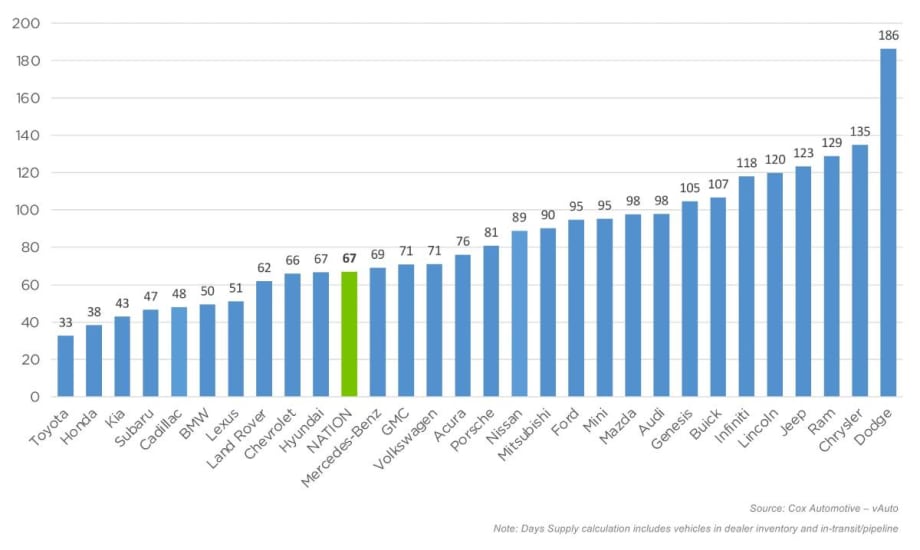
As the strike began, GM was the most vulnerable, with its Cadillac and Chevrolet brands having the lowest inventory among domestic brands. Cadillac, still in early November, had the fifth lowest inventory among major brands with a 48 days’ supply.
Graphic: Cox Automotive
4 min to read
Despite UAW strikes at several plants throughout the month, new-vehicle inventory at the start of November was even higher than in early October, according to Cox Automotive’s analysis of vAuto Available Inventory data released Nov. 13.
The striking UAW workers have ratified the final union contract with the Detroit 3 automakers. Workers are back on the job as they vote on new contracts.
The total U.S. supply of available unsold new vehicles climbed to 2.4 million units, up 62%, or 919,000 units, from the same time a year ago. Inventory numbers include vehicles available on dealer lots and some in transit.
Days of supply climbed to 67 at the start of November, up from 60 at the start of October. Inventory, measured as days’ supply, was 41% higher than the same timeframe from one year ago. Days’ supply was last in the 60s, once considered normal and ideal, in March 2021.
The Cox Automotive days’ supply is based on the daily sales rate for the most recent 30-day period ended Nov. 6. Sales for the full month of October edged up nearly 2% from a year ago but were down 10% from September, thanks in part to one fewer selling day. The sales pace faded near the end of the month as the UAW strikes were ending.
Due to the strike, Detroit automakers scaled back sales to fleet customers, which helped push fleet sales down 10% from October 2022. October saw the first year-over-year fleet sales decline in 2023.
“Days of supply is creeping higher as the sales pace is slowing at the start of this year’s final quarter,” said Cox Automotive Senior Economist Charlie Chesbrough in a news release. “The supply issues that started in 2021 appear to have passed as most brands have seen their availability improve substantially. However, market headwinds from high interest rates and high prices are muting sales. As we enter the holiday sales season, greater discounting from the automakers seems likely. Otherwise, the days of supply will rise even further.”
Stellantis Still Has Highest Supply Despite Plants Going on Strike
Stellantis brands emerged from the UAW strike as it entered it – with the highest days’ supply among major brands. Dodge had the highest days’ supply, followed by Chrysler, Ram and Jeep, all with more than 100 days’ supply at the start of November.
As the strike began, GM was the most vulnerable, with its Cadillac and Chevrolet brands having the lowest inventory among domestic brands. Cadillac, still in early November, had the fifth lowest inventory among major brands with a 48 days’ supply. Cadillac’s highly profitable Escalade models had extremely low inventory, at around 20 days’ supply.
Chevrolet opened November in somewhat better shape than Cadillac with 66 days of supply. The newly redesigned Colorado pickup had only 24 days’ supply at the start of November as the UAW struck the Missouri plant that makes the Colorado and GMC Canyon. Chevrolet’s large profit-generating SUVs, the Suburban and Tahoe, each had under 35 days of supply. The Traverse and Trax also had low supplies. The Trax is made in South Korea, so the strike did not hurt it. However, the UAW went on strike at the Michigan plant that makes the Traverse, so some production was lost with that important vehicle.
GMC had a 71 days’ supply. Buick had more than 100 days’ supply.
Ford entered November with plenty of inventory overall. The Ford brand had 95 days of supply. The Ford Ranger was down to 34 days’ supply as the union hit the Michigan plant that makes it in September. The Bronco, made at the same Michigan plant, also had below-average inventory. Lincoln had more than 100 days’ supply.
As usual, Toyota, Honda, Kia and Subaru had the lowest supply among non-luxury brands starting in November. Of luxury brands, Cadillac, BMW, Lexus and Land Rover had the lowest.
Inventory Levels for Trucks Highest, Crossovers and Sedans Lowest
Of the top-selling 30 models, large trucks from the Detroit automakers had the largest supply entering November. Specifically, the Ram 1500, Chevrolet Silverado and Ford F-150 took top spots for high supply, which is normal for the industry.
Of top-sellers, small cars and crossovers had the lowest supply, with the Toyota Corolla Cross at the bottom with a skimpy 19 days’ supply. Other models at the low end included the new Toyota Grand Highlander, Honda CR-V hybrid and Toyota Corolla. The new Chevrolet Trax was also at the low end.
Average New-Vehicle Price Dipped
The average listing price – or asking price – remained relatively stable through October. At the start of the month, the average listing price for a new vehicle was $166 higher than how the month ended. The average listing price of $47,251 at the end of October was 1.5% below the same time a year ago.
Topics:Days Supplyautomotive supply chainNew VehiclesOEMsStrikesvehicle manufacturersLabor UnionsFleet Acquisition
Originally posted on Vehicle Remarketing
More Fleet Acquisition
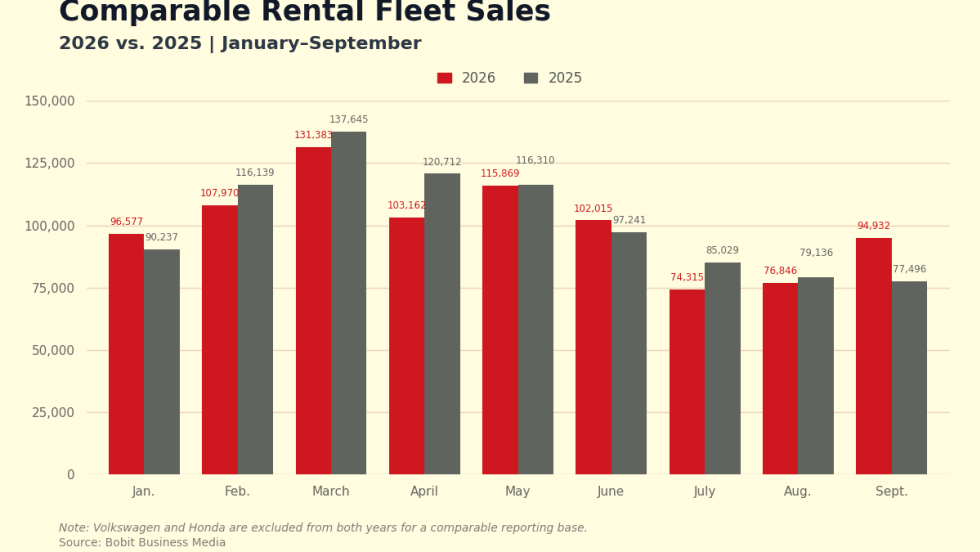
September Rental Fleet Sales Jump 22.5%, Narrowing Year-to-Date Decline
Comparable rental fleet sales remained 1.8% below 2025 through September, as a stronger month cut the year-to-date shortfall by more than half.
Read More →
Rental Vehicle Orders Remain Steady Amid Supply Concerns
With Hyundai’s South Korean strike creating uncertainty for 2027-model-year deliveries, Mike Muehlenfeld of Walser Automotive Group says rental operators are maintaining normal purchasing levels and generating strong returns at disposal.
Read More →
Global Carsharing Fleet Projected to Reach 768,000 Vehicles By 2030
A new Berg Insight forecast outlines several business models driving the projected growth in public carsharing worldwide through 2029.
Read More →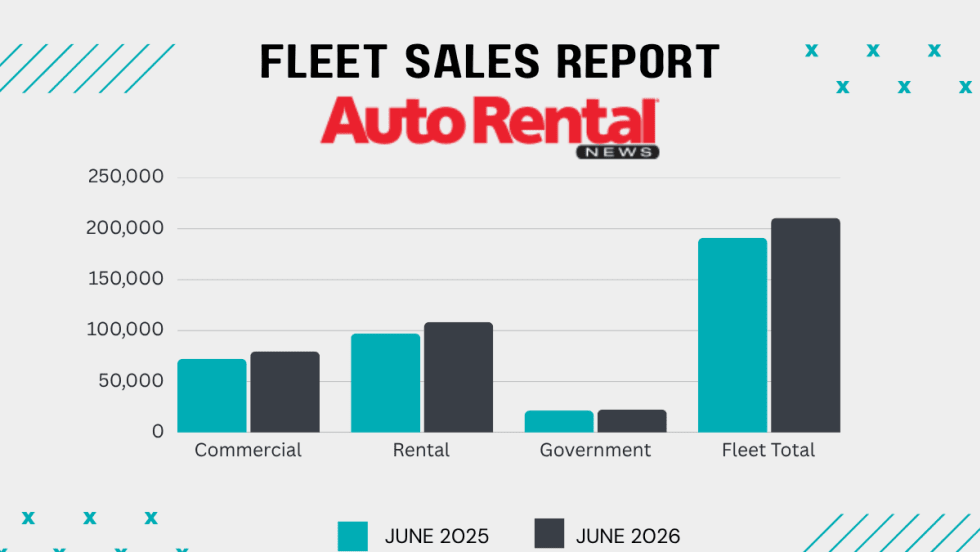
Rental Car Fleet Sales Show Mid-Year Strength
June gains ensured rental fleets closed out the first half of 2026 in positive territory.
Read More →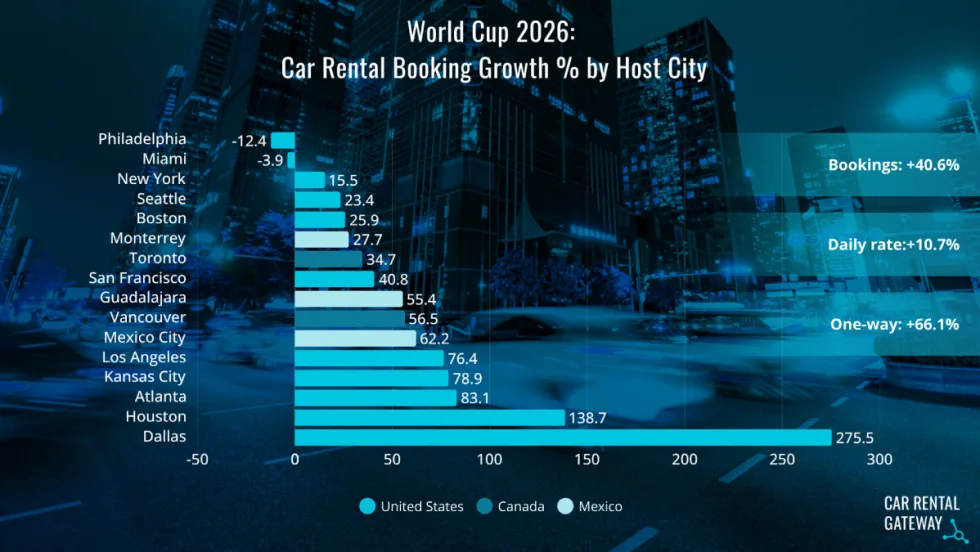
World Cup Travel Data Shows Longer Car Rentals and More One-Ways
A recent analysis of FIFA bookings found varied demand patterns that influenced rental car pricing.
Read More →
A Leveling Force: AI Morphs Into A Rental Car Profit-Seeker
Revenue managers can’t match the emerging AI tools gobbling lots of data that could counter the competitive race to the rate bottom.
Read More →
Rethink The Future To Avert A Race To The Bottom
Rental car operators heard a sobering industry message and a stern challenge at the close of the International Car Rental Show.
Read More →
DriveItAway, Free2move Plan Shared Fleet Program for Independent Rental Fleet Operators
Vehicles would be placed with participating rental operations to support car renter demand and provide additional fleet capacity.
Read More →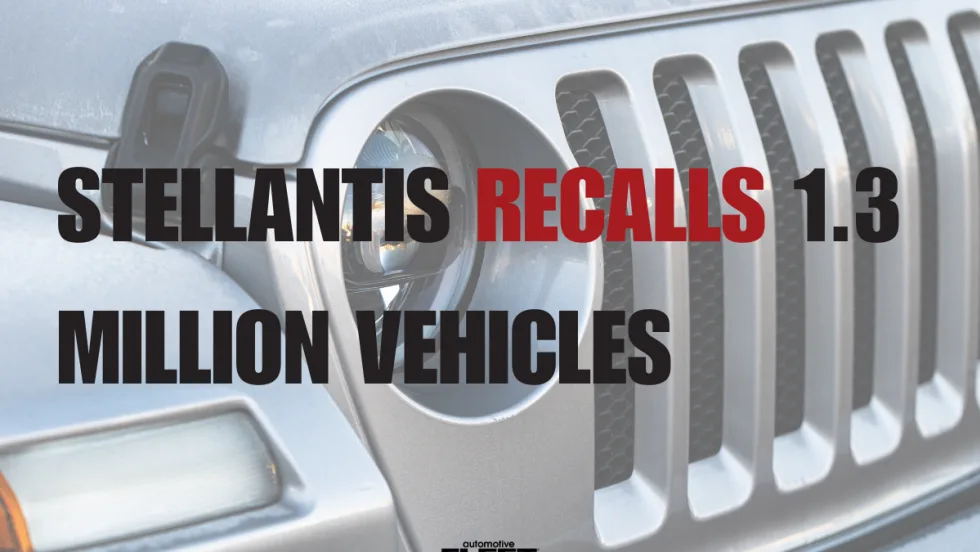
Stellantis Recalls 1.3 Million Jeep Vehicles Worldwide Over Fire Risk
Stellantis is recalling more than 1.3 million Jeep Wrangler and Gladiator models worldwide over a fire risk linked to power steering pump wiring.
Read More →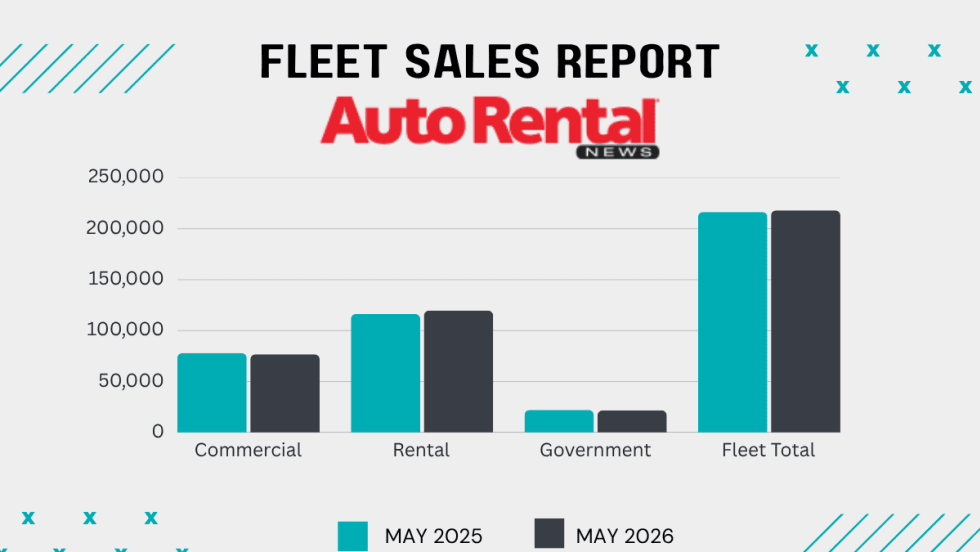
Rental Fleet Sales Skating Just Above 2025 Levels
The U.S. economy's continued growth and positive business investment are creating a favorable environment for fleet vehicle demand.
Read More →