




Toyota's Residual Values Increase Along With Rise in Industry
Kelley Blue Book data shows Toyota brand consideration rebounds higher than pre-recall levels.
The average year-over-year change in 36-month residual values of new Toyota models is forecasted to increase by 4.2 percentage points (based on the vehicles’ MSRP), according to Kelley Blue Book Values data, which will be published in KBB’s May/June Residual Value Guide.
While Toyota’s increase is below the industry average increase of 6.2 percentage points, it still outperforms a number of other brand increases. Year-over-year changes in residual values in the May/June release are largely being driven by changes within the vehicle segments.
Kelley Blue Book lowered its outlook on current used Toyota vehicle values in early February, with affected models dropping anywhere from 1-3 percent depending on the model. In early March, Toyota began offering various incentives to bring consumers back to the brand.
Toyota’s recall, lingering in the press and the introduction of these incentives raised questions about Toyota’s residual values. According to Kelley Blue Book analysts, shifts in incentive spending often impact current used-car values much more than future values otherwise known as residual values. At this time, Kelley Blue Book’s residual analysts do not believe that the company will make zero percent financing a permanent fixture and therefore values will not be impacted greatly three or four years from now.
“Incentives offering lower interest rates have less of an impact on future values than cash incentives,” said Eric Ibara, director of residual value consulting, Kelley Blue Book. “Attractive lease payments can increase market penetration for certain models and create a larger volume of lease returns for the banks in the end. What remains to be seen is the larger volume of leases Toyota’s incentives create, as the volume is what will have a detrimental impact on future residual values."
Toyota’s recent attractive incentive offers appear to be driving a rebound in consideration according to Kelley Blue Book Market Intelligence data. Seven percent of car shoppers say they were not considering a Toyota prior to the incentive announcements, but now they are. In addition, the week-over-week percentages of consumers who say they would never consider a Toyota again, decreased (from 17 to 13 percent).
Additionally, the company’s Market Intelligence data shows Toyota consideration and interest has increased considerably in the last week, rebounding to higher levels than before the company’s recent major recall announcements.
The latest data shows 45 percent of in-market new-car shoppers now are considering a Toyota, up 13 percentage points from last week when only 32 percent of car shoppers were considering the brand. This week’s levels also leap seven percentage points above Toyota’s consideration prior to the major recall announcements in mid-January, when the brand was seeing 38 percent consideration. Additionally, this week’s levels are 17 percentage points higher than Toyota’s consideration was at its lowest point in the midst of the recall crisis, at only 28 percent in early February.
“Toyota may finally be turning the corner,” said James Bell, executive market analyst, Kelley Blue Book. “Between their aggressive realignment of production to be more in line with demand, the company’s current incentive offerings and the understanding that the recall issue while severe is statistically small; it’s not surprising that Toyota is now on the road to recovery.”
Furthermore, in-market new-car shoppers’ perceptions of Toyota’s safety have made small gains. According to the latest data from the Kelley Blue Book Brand Watch study, prior to the recall Toyota reached an 8.4 (on a 10-point scale) in perceived safety, but in the weeks following the recall news, their rating plummeted to 5.7. This week, Toyota’s perceived safety has climbed to 6.8 and is showing signs of continued upward movement.
This Kelley Blue Book Market Intelligence study on the Toyota recall was fielded to a total of 349 in-market car shoppers on Kelley Blue Book’s www.kbb.com from March 12 – 15, 2010.
More Fleet Acquisition
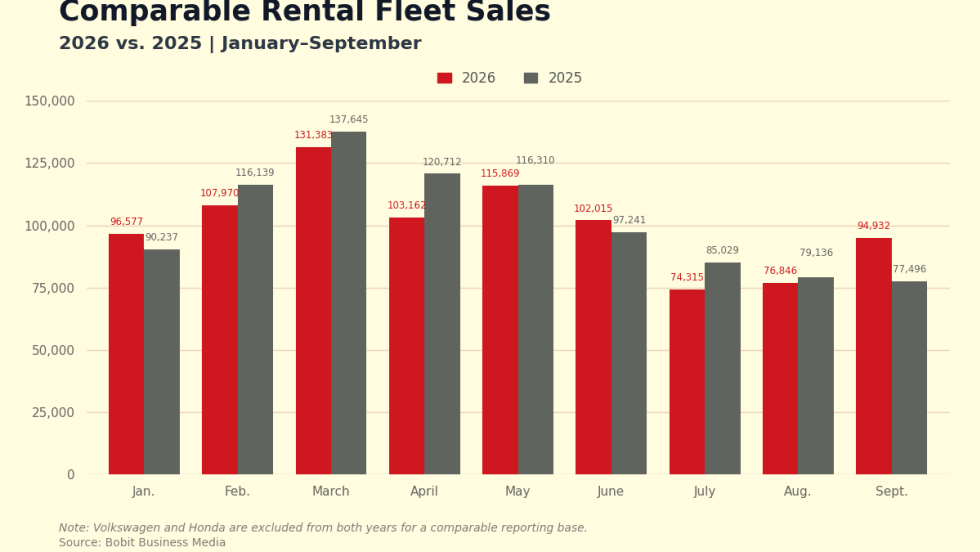
September Rental Fleet Sales Jump 22.5%, Narrowing Year-to-Date Decline
Comparable rental fleet sales remained 1.8% below 2025 through September, as a stronger month cut the year-to-date shortfall by more than half.
Read More →
Rental Vehicle Orders Remain Steady Amid Supply Concerns
With Hyundai’s South Korean strike creating uncertainty for 2027-model-year deliveries, Mike Muehlenfeld of Walser Automotive Group says rental operators are maintaining normal purchasing levels and generating strong returns at disposal.
Read More →
Global Carsharing Fleet Projected to Reach 768,000 Vehicles By 2030
A new Berg Insight forecast outlines several business models driving the projected growth in public carsharing worldwide through 2029.
Read More →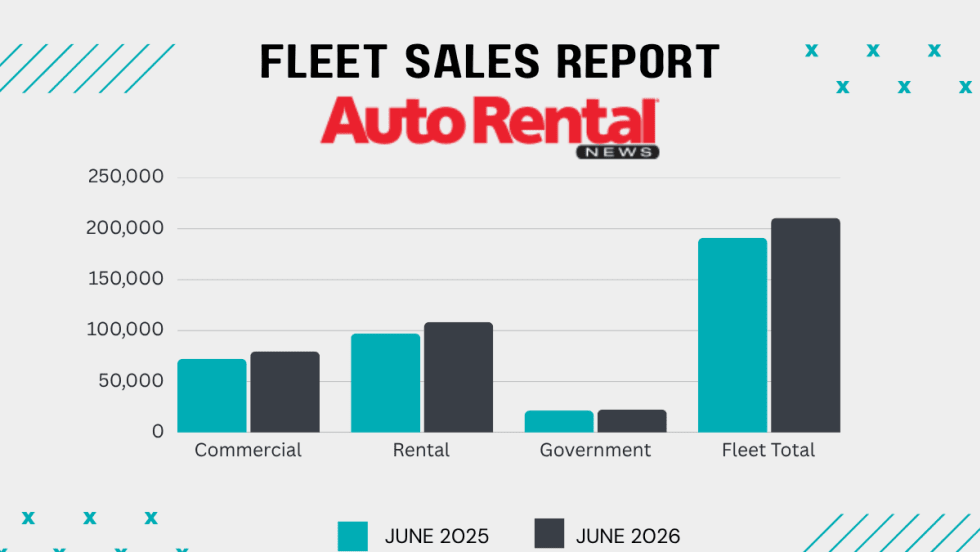
Rental Car Fleet Sales Show Mid-Year Strength
June gains ensured rental fleets closed out the first half of 2026 in positive territory.
Read More →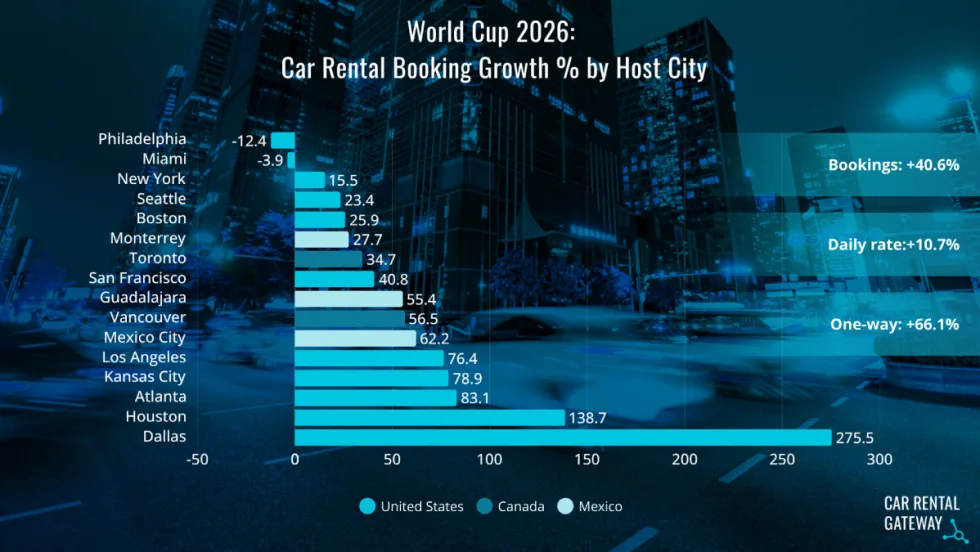
World Cup Travel Data Shows Longer Car Rentals and More One-Ways
A recent analysis of FIFA bookings found varied demand patterns that influenced rental car pricing.
Read More →
A Leveling Force: AI Morphs Into A Rental Car Profit-Seeker
Revenue managers can’t match the emerging AI tools gobbling lots of data that could counter the competitive race to the rate bottom.
Read More →
Rethink The Future To Avert A Race To The Bottom
Rental car operators heard a sobering industry message and a stern challenge at the close of the International Car Rental Show.
Read More →
DriveItAway, Free2move Plan Shared Fleet Program for Independent Rental Fleet Operators
Vehicles would be placed with participating rental operations to support car renter demand and provide additional fleet capacity.
Read More →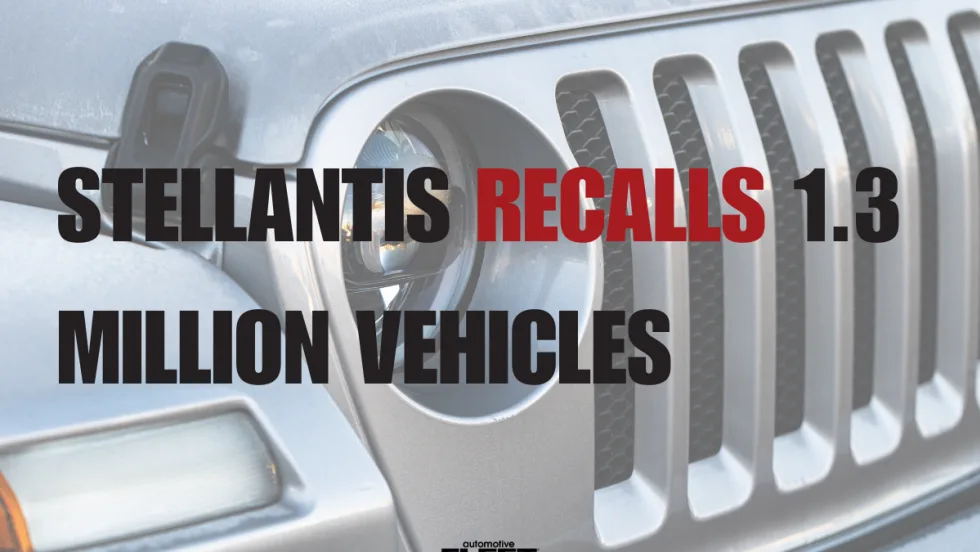
Stellantis Recalls 1.3 Million Jeep Vehicles Worldwide Over Fire Risk
Stellantis is recalling more than 1.3 million Jeep Wrangler and Gladiator models worldwide over a fire risk linked to power steering pump wiring.
Read More →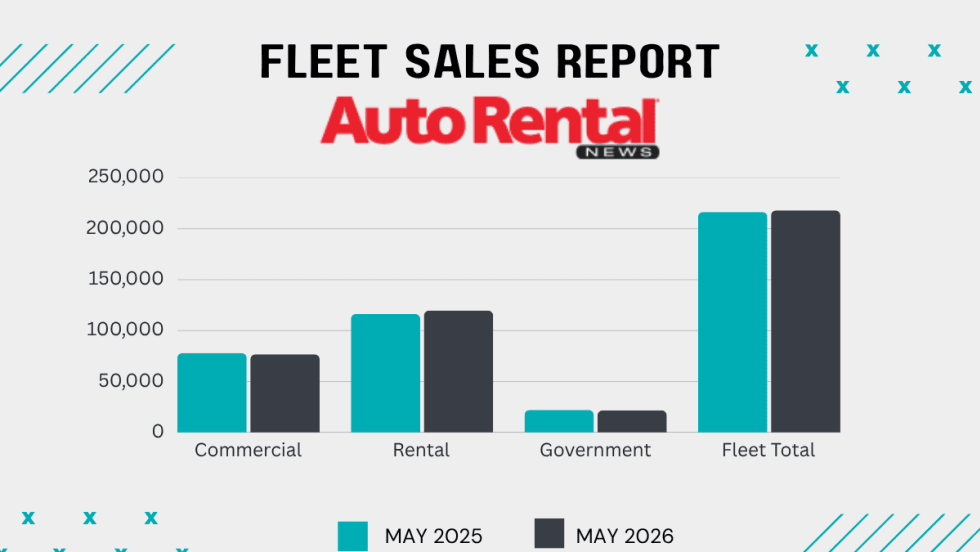
Rental Fleet Sales Skating Just Above 2025 Levels
The U.S. economy's continued growth and positive business investment are creating a favorable environment for fleet vehicle demand.
Read More →