



US Travel Association Announces Support of JOLT Act and Launches ‘Vote Travel’ Campaign
The Jobs Originated through Launching Travel (JOLT) Act would reform visa processing standards and expand the Visa Waiver Program.
The U.S. Travel Association announced support of the Jobs Originated through Launching Travel (JOLT) Act during testimony before the Senate Judiciary Subcommitte on Immigration, Refugees and Border Security on March 27. The JOLT Act aims at reforming visa processing standards and expanding the Visa Waiver Program (VWP).
U.S. Travel has also announced the launch of its “Vote Travel” campaign, in which a 20,000-mile bus tour will include rallies in cities nationwide, as well as meetings with local elected officials and travel industry leaders in those regions. Local communities will be urged to have their elected representatives and candidates sign a pledge that supports “policies that safely and effectively reduce barriers to travel to and within the United States.”
The Vote Travel bus was officially unveiled last week on March 21 at Union Station in Washington, D.C., at U.S. Travel’s “Get America Moving” reception — a gathering of state and travel business leaders with Congressional policymakers.
In January, President Barack Obama released an Executive Order that committed the State Department to interviewing 80% of all non-immigrant visa applicants within three weeks and devoted some resources to address visa processing.
The JOLT Act would codify this executive order with a two-week standard for visa processing. Upon enactment, the legislation would require scheduling of the visa interview within 15 days; and a year later, the bill would require an interview to be held within 10 days. This approach, U.S. Travel states, sends a clear message that the U.S. remains serious about security safeguards but also seeks to encourage and welcome legitimate visitors.
“The foreign press has had a field day, literally at our expense, by retelling horror stories of foreign visitors unable to come to the United States,” said Roger Dow, president and CEO of the U.S. Travel Association, at the hearing. “The global travel market is booming, for both leisure and business travel. As demand rises, especially in key emerging markets, prospective travelers have choices about their global destinations.
"Interest in visiting the United States remains strong, but potential visitors are discouraged by real and perceived hassles in our visa process that could be eliminated without compromising security.”
Additionally, VWP countries are the largest source of inbound travel to the United States, according to U.S. Travel. In 2011, more than 18 million visitors to the U.S. — nearly two-thirds of all overseas visitors — arrived through the VWP. While here, they spent $69 billion, supported 525,000 American jobs, and generated $13 billion in payroll and $11 billion in government tax revenues.
U.S. Travel said that it is pleased the Obama Administration has nominated Taiwan for VWP status and believes the Departments of State and Homeland Security should immediately begin bilateral “roadmap” negotiations with countries willing to meet the program’s strict security criteria.
Recently, U.S. Travel studied the economic impact of including 11 potential candidates for VWP status. Expanding the VWP would drive up arrivals from these 11 nations from three million to four million visitors.
“Every potential new VWP visitor from Brazil, Poland and other key markets constitutes a walking economic stimulus package,” Dow said.
For a video of the subcommittee hearing, click here.
More Legal & Legislative
Hertz Settlement Expands Hand-Control Rental Vehicle Availability
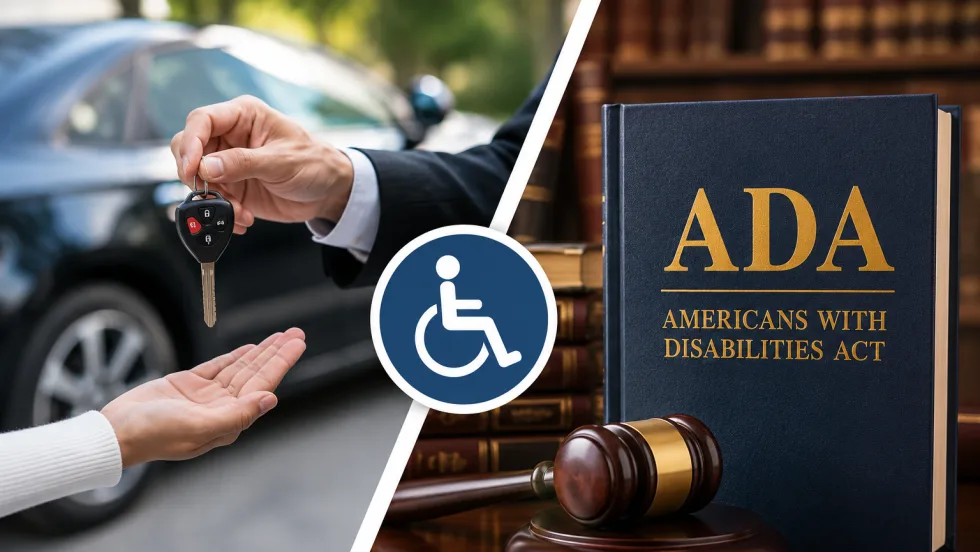
A court-approved ADA settlement requires Hertz to add dedicated hand-control minivans, expand reservation access, and, when necessary, offer the least expensive vehicle capable of accepting hand controls.
Read More →
Federal Appeals Court Upholds Colorado’s $3 Rental Car Fee
In a case brought by the American Car Rental Association on behalf of the rental industry, the 10th Circuit ruled that Colorado’s congestion impact fee falls on renters — not rental companies — and can remain in effect.
Read More →
ACRA Carrying Fuller Industry Load As AI and EVs Lurk In Future
The leading car rental professional business group details an active legislative, regulatory, and macro-trends agenda affecting car rental operators.
Read More →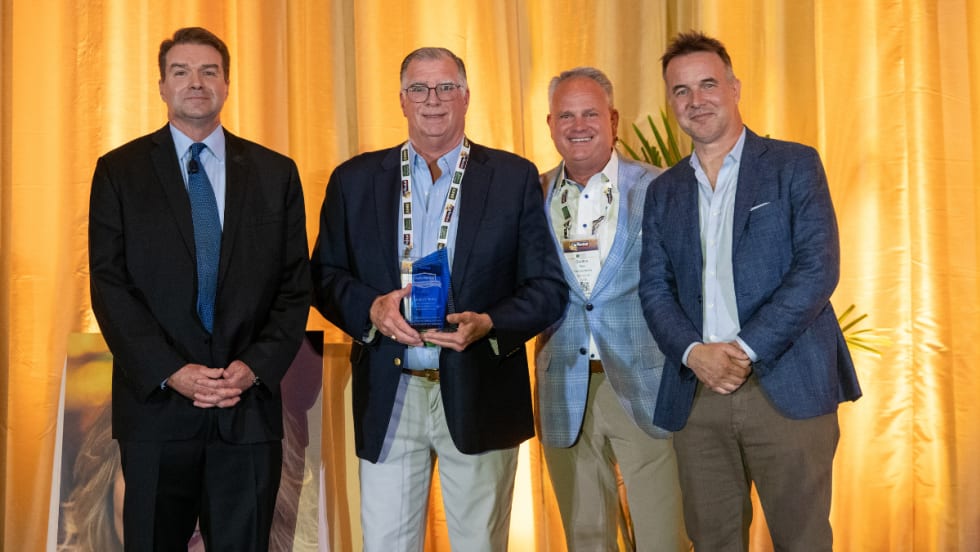
Government Affairs Executive Wins Leading Rental Car Industry Award
Robert Muhs started in the car rental industry with Avis Budget Group two years before the first International Car Rental Show.
Read More →
Using AI To Find Rental Car Damage
Angry car renters are storming social media, the mainstream media, and online ratings platforms to complain about charges they claim are either unfounded or excessive.
Read More →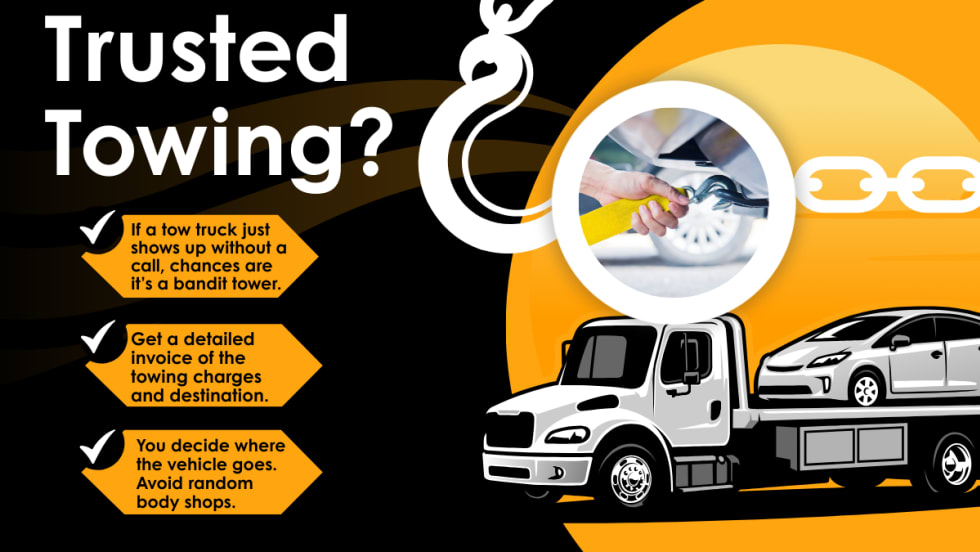
Bandit Towing A Tough Road For Car Rental Companies
Operators often must spend far too much time and resources trying to recoup rental cars towed away and held hostage to outrageously high fees.
Read More →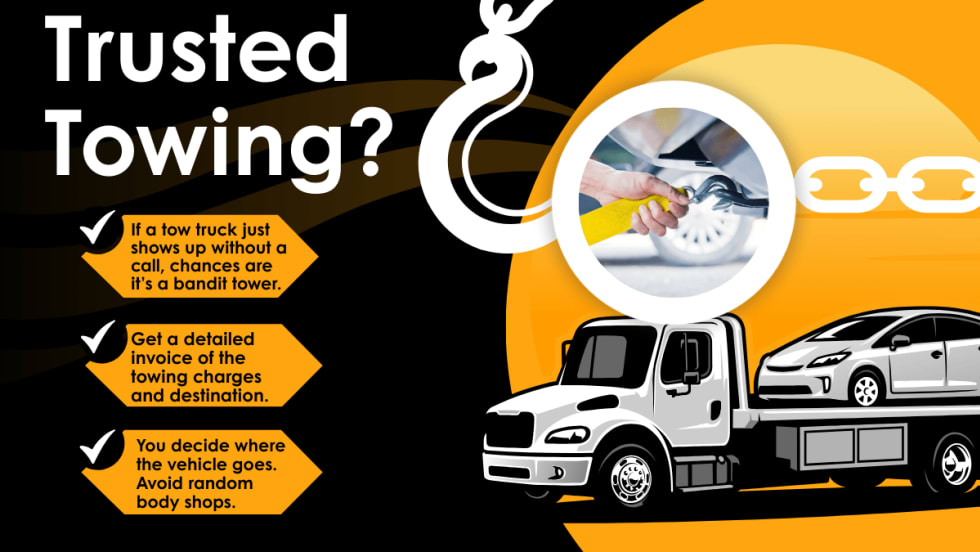
Bandit Towing A Tough Road For Car Rental Companies
Operators often must spend far too much time and resources trying to recoup rental cars towed away and held hostage to outrageously high fees.
Read More →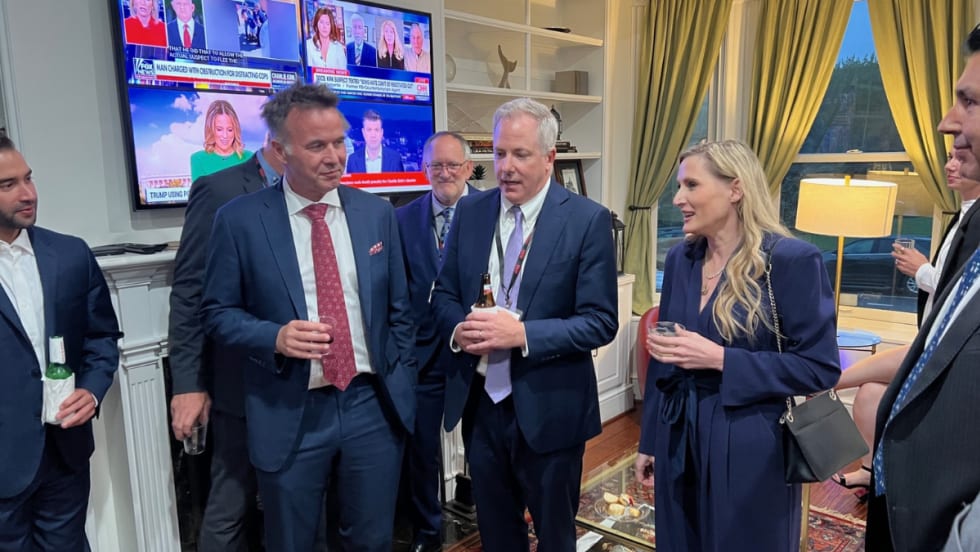
ACRA: Spurring Car Rental Industry Success
The American Car Rental Association scored more access and influence in 2025 as it grows its services for car rental operators.
Read More →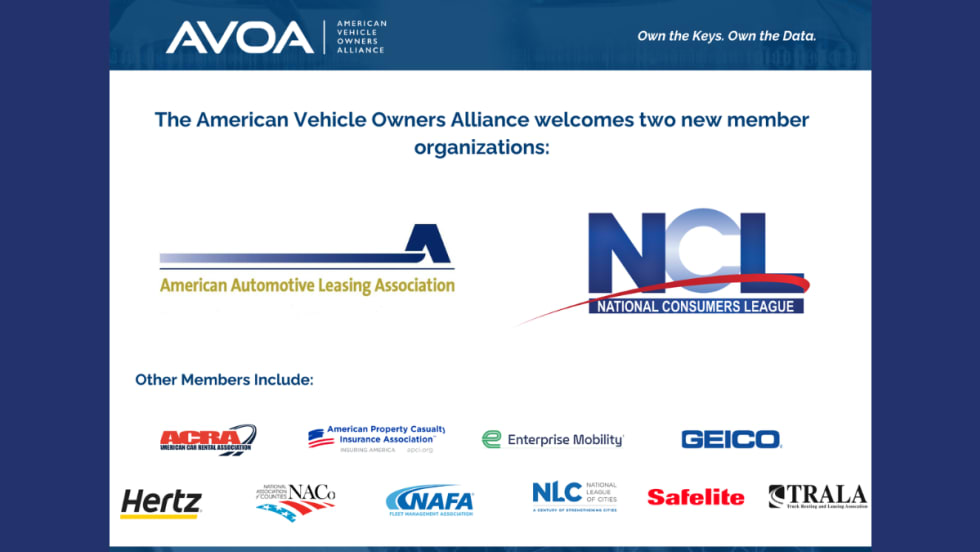
AVOA Partners with AALA and NLC
The American Vehicle Owners Alliance (AVOA) recently announced its partnership with the American Automotive Leasing Association (AALA) and the National League of Cities (NLC).
Read More →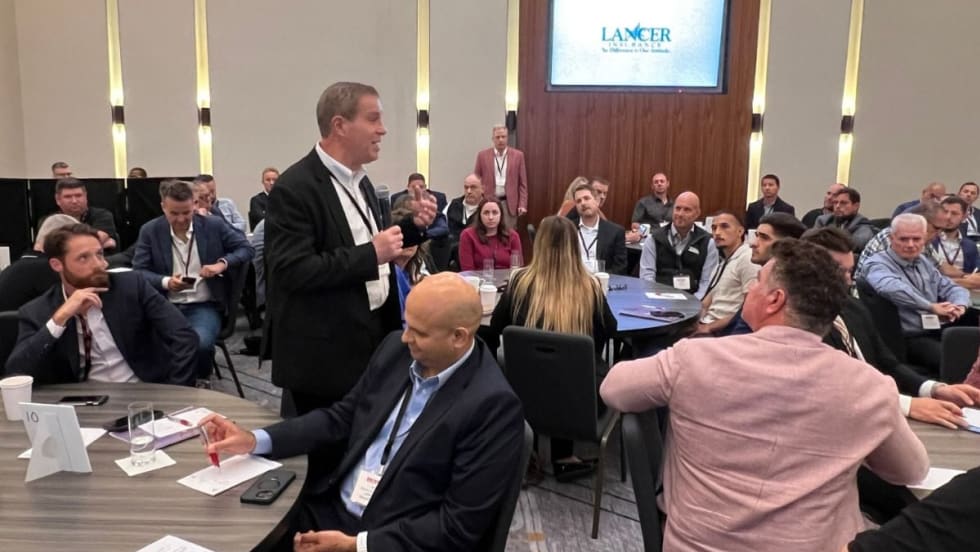
ACRA Takes Bold Strides On Capitol Hill
The American Car Rental Association’s annual legislative and lobbying event upped the face time with and access to members of Congress.
Read More →