




Wholesale Prices Softening Despite YOY Increase in June, Kontos Says
Average wholesale prices in June were down vs. June but up vs. a year ago. A drill down into the data, however, reveals price softening on a year-over-year basis when accounting for sales type, vehicle age, model class, and mileage, KAR Chief Economist Tom Kontos said today.

Kontos

Kontos
Average wholesale prices in June were down vs. June but up vs. a year ago. A drill down into the data, however, reveals price softening on a year-over-year basis when accounting for sales type, vehicle age, model class, and mileage, KAR Chief Economist Tom Kontos said today.
According to ADESA Analytical Services’ monthly analysis of wholesale used-vehicle prices, the average wholesale price for a used vehicle in June was $11,067, down 0.7% from May but up 4.7% from a year ago.
"Compact and fullsize pickup trucks and minivans show significant average price gains for the month, while most other model classes registered month-over-month declines or modest increases," Kontos said in his June Kontos Kommentary.
Average wholesale prices for used vehicles remarketed by manufacturers were down 1% month over month and down 1.9% year over year. Prices for fleet/lease consignors were down 1.1% sequentially and up 3.2% annually. Average prices for dealer consignors were up 0.9% vs. May and up 7.7% relative to June 2016.
"Price softening continues to be evident when holding constant for sale type, mode-year age, mileage, and model-class segment," Kontos added. "As the table show, average prices for both of these two bellwether car and truck segments were down by about 4% year over year, reflecting growth in off-lease supply."
Certified pre-owned sales were down 6.6% from May and 0.8% from a year ago, according to Autodata Corp. On a year-to-date basis through June, CPO sales were up 1.2%.
Originally posted on Automotive Fleet
More Remarketing
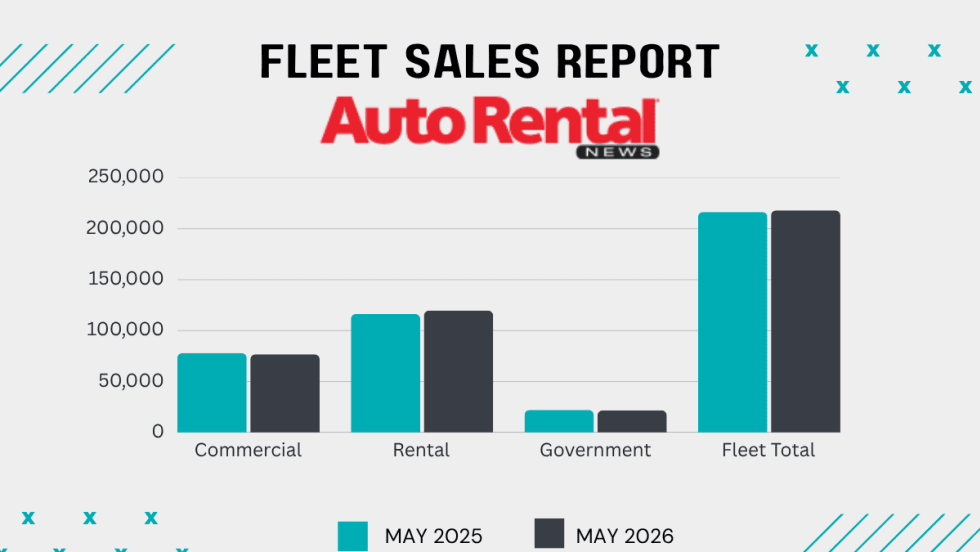
Rental Fleet Sales Skating Just Above 2025 Levels
The U.S. economy's continued growth and positive business investment are creating a favorable environment for fleet vehicle demand.
Read More →
Cross-Pressures, Evolving Trends Drive 2026 Rental Car Industry
A combination of cautious economic behavior, shifts in the rental vehicle market, and technological influences are shaping car rental operator decisions.
Read More →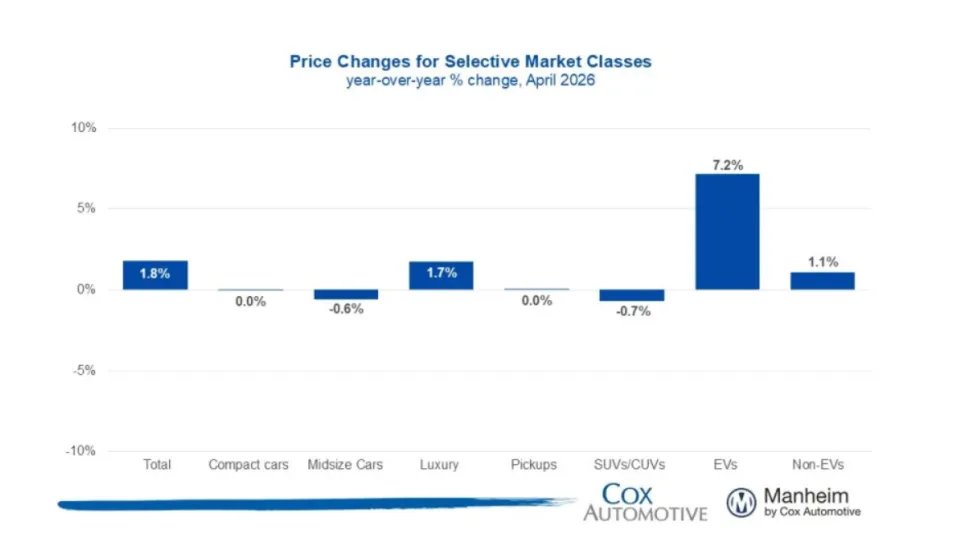
Wholesale Used Vehicle Prices Slightly Up In April
The Iranian conflict and rising gas prices inject much uncertainty into the future wholesale used vehicle markets, as higher gas prices soak up spendable income from vehicle buyers.
Read More →
Surprice Opens Two Rental Branches In Japan
The launch highlights the global car rental operation’s growing presence in Asia.
Read More →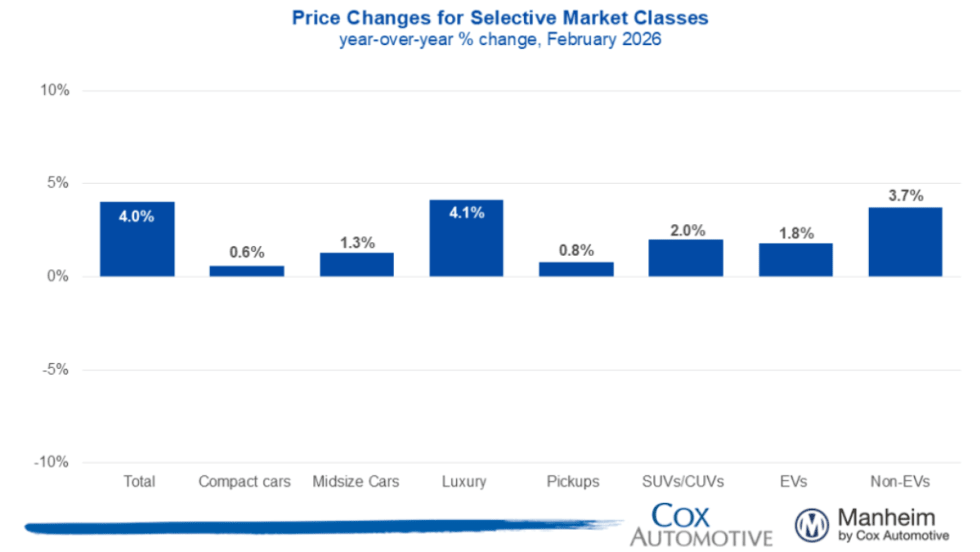
Wholesale Used Vehicle Prices Up In February
Solid demand at Manheim auctions with higher sales conversion rates indicate an appetite from dealers to buy.
Read More →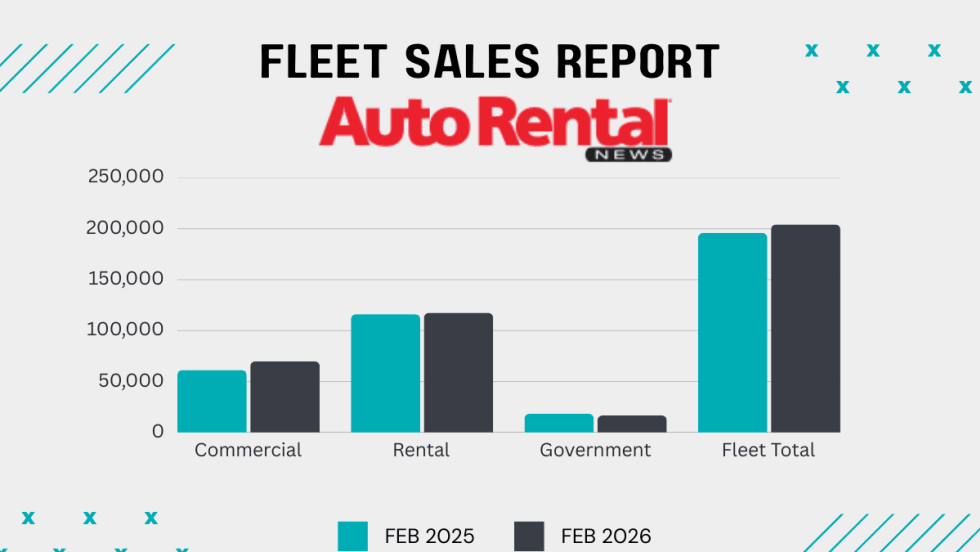
Rental Fleet Sales Slow In February Ending A Strong Streak
Commercial fleets posted the most gains, sustaining increases in monthly and year-to-date fleet sales
Read More →
Avis Budget Group Reports Near $1 Billion Loss Tied To 2025 EV Fleet Write-Down
Following Hertz, the company is the second global car rental conglomerate to sustain sizable losses due to lower customer demand and usage of electric rental cars.
Read More →
2025 Rental Vehicle Remarketing Summary And Outlook
The year brought modest and flatter results across wholesale values, total off-rental supply, and rental risk units.
Read More →
Auctions Record Highest Vehicle Sales Since 2019
2025 figures show a steady recovery in wholesale vehicle activity this decade.
Read More →
DriveItAway Holdings, Free2move Launch Operations In Nine Cities
The co-branded program with Stellantis’ mobility division scales up leasing and financing options nationwide with more cities to come online in 2026.
Read More →