




Zipcar Study Finds Fewer Personal Cars on College Campuses
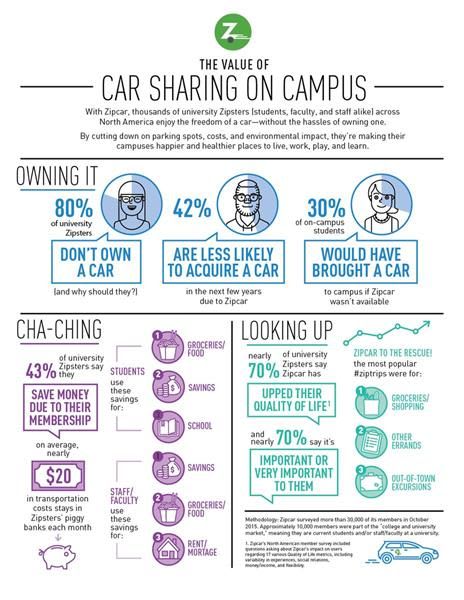
The Zipcar and University of California, Berkeley's Transportation Sustainability Research Center study found that carsharing programs enable 30% of students who live on campus to leave their cars at home.
Infographic courtesy of Zipcar
Infographic courtesy of Zipcar
Zipcar and the University of California, Berkeley's Transportation Sustainability Research Center (TSRC), released the findings of a first-of-its kind study of Zipcar’s carsharing service on North American college and university campuses.
The results show that carsharing programs enable 30% of students who live on campus to leave their car at home, according to the study.
Respondents also report saving money on transportation after joining Zipcar and having the freedom to go where they want, when they want, with the wheels they want.
"Traffic and the lack of parking are growing problems on college and university campuses as student car owners continue to outnumber available parking," said Susan Shaheen, co-director, UC Berkeley TSRC. "This first-ever study of Zipcar carsharing on college and university campuses shows that implementing an on-campus carsharing program can help to alleviate these concerns and improve the well-being of students, faculty, and staff, providing greater accessibility and mobility without the burden of circling for a spot, feeding a meter, or obtaining a permit."
More than 10,000 university students, faculty, and staff participated in the survey, with students making up 90% percent of the respondents.
Some key findings include:
- Thirty percent of on-campus students said they would have brought a car to campus if Zipcar wasn't available.
- More than 40% are less likely to buy a car in the next few years because of Zipcar.
- Eighty-two percent of students and 66% of staff/faculty are car-free.
- Nearly 60% use public transit at least once a month.
- After joining Zipcar, 81% bike the same amount or more and 86% walk the same or more.
- Nearly 70% of university Zipcar members say Zipcar has improved their quality of life, and the same proportion say Zipcar is important or very important to them.
- Two in five said they save money on transportation as a result of their membership, putting an average of nearly $20 per month back in their pockets.
"The solution to campus parking isn't more spots and lots; it's offering smarter, more sustainable mobility options that give students the freedom to go where they want, when they want, without bringing a car to school," said Katelyn Bushey, Zipcar’s director of university programs. "Sixteen years ago, we launched Zipcar at a single university, making it our mission to make campuses better places to live and learn. Now, we're at more than 500 colleges and universities in North America, and this study confirms that we've delivered on that mission."
Click here for more information on Zipcar's carsharing service at colleges and universities.
More Rental Operations
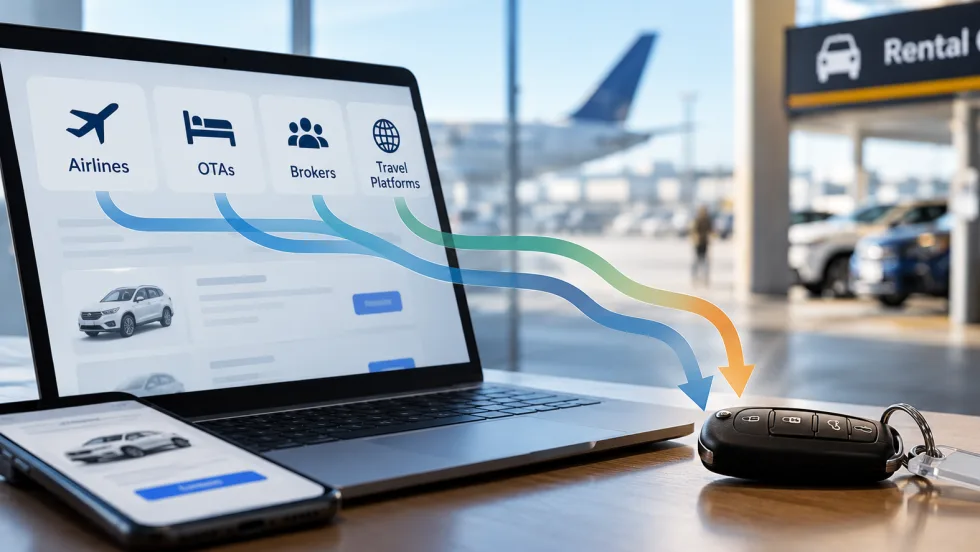
Direct, Broker or Hybrid? How Travel Retailers Source Rental Cars
As travel retailers weigh direct supplier relationships against third-party distribution, rental operators need to understand how those decisions affect their business.
Read More →
How Did This Independent Rental Operator Grow to 170 Vehicles in 4 Years?
With 170 vehicles across three Kentucky locations, Joel Price relies on an overseas team to handle reservations, payments, and after-hours customer service. It's one part of an unconventional approach to growing an independent rental operation.
Read More →
What Does It Take to Succeed in B2B Rentals?
The fundamentals may be familiar to daily car rental operators, but project-based truck rentals put different demands on the fleet and the business.
Read More →
NPR Builds on International Partnerships to Grow Rental Bookings
With Ana Laborde supporting broker development, NPR Auto Group is tailoring distribution strategies, rate packages, and partnerships to grow international reservations across its three brands.
Read More →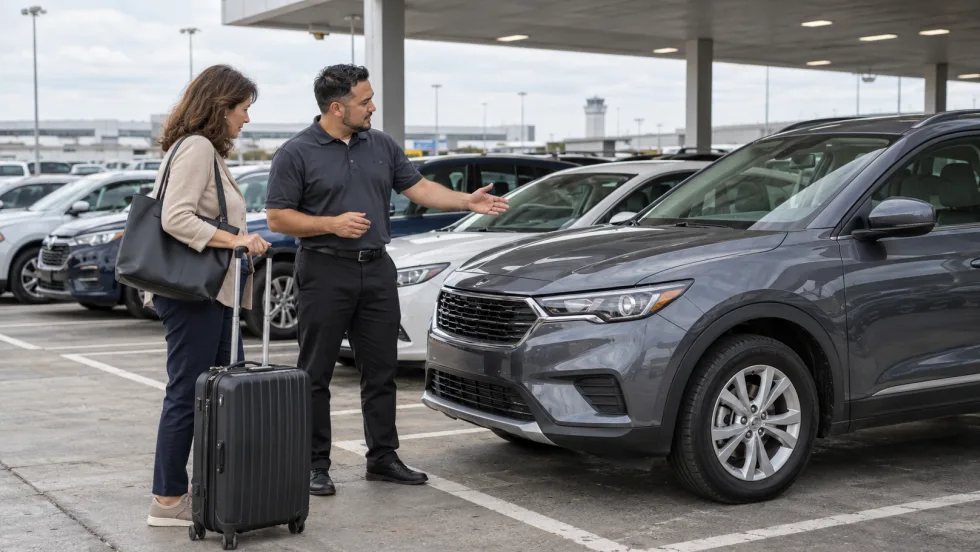
Advantage, Sixt Place Among Top Five in Annual Satisfaction Study
While Enterprise and National retain the top spots in JD Power’s 2026 rankings, the latest customer satisfaction results suggest renters can find competitive service beyond the biggest car rental names.
Read More →
The $100,000 Insurance Trap in Exotic Car Rentals
Exotic rental agencies often rely on customers’ personal auto policies to protect six-figure vehicles. But policy language can dramatically change the coverage for vehicles over $100,000 MSRP.
Read More →
The Booking Is Confirmed, But Is Your Customer Ready to Drive?
For international renters, a confirmed reservation doesn’t always mean they’re eligible to drive. Earlier checks can help operators catch documentation and payment issues before the customer reaches the counter.
Read More →
ICRS 2027 Opens Call for Papers
The International Car Rental Show seeks session proposals on the business, operational, and technology issues facing car rental operators. Submissions are due Jan. 15.
Read More →
Turo to Launch Vehicle Delivery Service
Turo Delivered will let travelers search for vehicles that hosts can deliver directly to hotels, homes, airports, train stations, and other locations.
Read More →
Palm Beach Airport Code Change Creates Car Rental Distribution Gap
A test of rental searches under the old PBI and new DJT airport codes returned largely different sets of brands and vehicles, highlighting a potential distribution problem for rental operators.
Read More →