




Check Out This Blog: Parsing Hertz’s Big EV Bet
Hertz Adds Tesla Model Y to Electric Vehicle Fleet
As part of its plan to add 100,000 Tesla vehicles to its fleet by the end of 2022, Hertz will be offering the Model Y SUV at select locations in April. The company has offered the Model 3s since October.
April 1, 2022
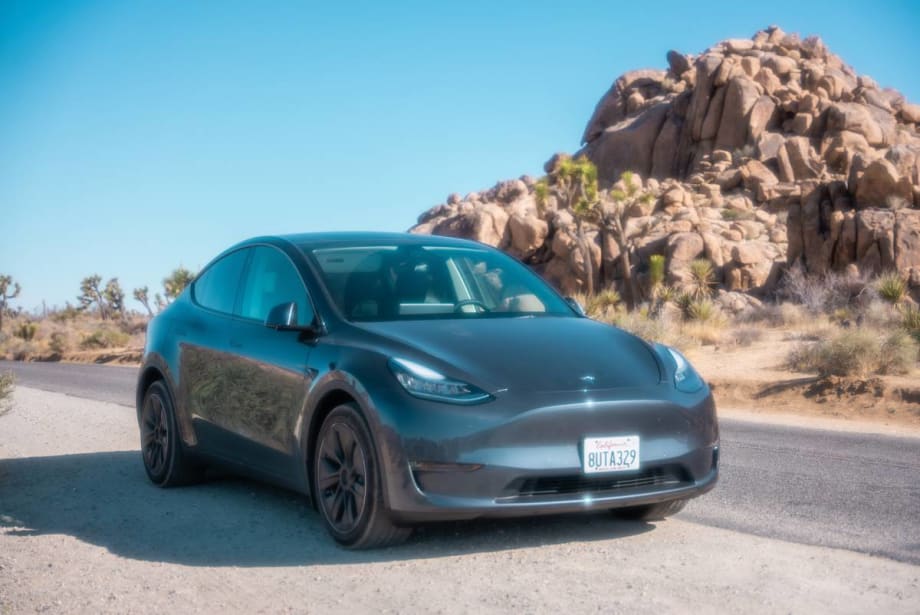
In April, Hertz plans to add the Tesla Model Y SUV to its electric rental fleet. The Model Ys will join the Model 3s at select Hertz locations.
Photo: Tyler Casey/Unsplash
1 min to read
In April, Hertz plans to add the Tesla Model Y SUV to its electric rental fleet, according to a report by FOX Business. Currently, Hertz’s electric vehicle fleet consists of Tesla Model 3s.
Rentals of the Model Y will be available at select Hertz locations. The Model Ys are part of the 100,000-vehicle order from Tesla that Hertz announced last October, says the report.
Hertz placed an initial order of 100,000 Teslas “by the end of 2022,” according to a Hertz announcement. With this order, EVs will comprise more than 20% of Hertz’s global fleet.
Started in early November and expanding through the end of 2022, Hertz customers can rent a Tesla Model 3 at Hertz airport and neighborhood locations in U.S. major markets and select cities in Europe. Currently, there are seven U.S. locations offering the Model 3, where the average Model 3 rents for $175 per day midweek, according to the report.
Hertz plans to also add new EV charging infrastructure across its global operations. The rental vehicles will be supported by a combination of Level 2 and DC fast charging in approximately 65 markets by the end of 2022 and more than 100 markets by the end of 2023, Hertz said.
More Rental Operations

What Does It Take to Succeed in B2B Rentals?
The fundamentals may be familiar to daily car rental operators, but project-based truck rentals put different demands on the fleet and the business.
Read More →
NPR Builds on International Partnerships to Grow Rental Bookings
With Ana Laborde supporting broker development, NPR Auto Group is tailoring distribution strategies, rate packages, and partnerships to grow international reservations across its three brands.
Read More →
Advantage, Sixt Place Among Top Five in Annual Satisfaction Study
While Enterprise and National retain the top spots in JD Power’s 2026 rankings, the latest customer satisfaction results suggest renters can find competitive service beyond the biggest car rental names.
Read More →
The $100,000 Insurance Trap in Exotic Car Rentals
Exotic rental agencies often rely on customers’ personal auto policies to protect six-figure vehicles. But policy language can dramatically change the coverage for vehicles over $100,000 MSRP.
Read More →
The Booking Is Confirmed, But Is Your Customer Ready to Drive?
For international renters, a confirmed reservation doesn’t always mean they’re eligible to drive. Earlier checks can help operators catch documentation and payment issues before the customer reaches the counter.
Read More →
ICRS 2027 Opens Call for Papers
The International Car Rental Show seeks session proposals on the business, operational, and technology issues facing car rental operators. Submissions are due Jan. 15.
Read More →
Turo to Launch Vehicle Delivery Service
Turo Delivered will let travelers search for vehicles that hosts can deliver directly to hotels, homes, airports, train stations, and other locations.
Read More →
Palm Beach Airport Code Change Creates Car Rental Distribution Gap
A test of rental searches under the old PBI and new DJT airport codes returned largely different sets of brands and vehicles, highlighting a potential distribution problem for rental operators.
Read More →
U-Save Continues Dominican Republic Expansion with Launch in Punta Cana
The new franchise location builds on U-Save’s existing Santo Domingo operation and will begin taking reservations for October 2026.
Read More →
When AI Books the Rental Car, Who Controls the Sale?
As AI moves from comparing rental rates to completing transactions, operators need to understand how travelers find, interpret, rank, and ultimately see their offers. (Part 2 of 2.)
Read More →