




Tariffs Will Upend North American Auto Industry
Commentary: No mainstream automaker will be immune to the pain, which will almost certainly be transferred to buyers through higher prices. The U.S. auto market already has an affordability problem.

The North American vehicle market is built on free trade, and new tariffs would undoubtedly throw a wrench into the works.
Photo: Pexels / Pixabay
As the tariff story evolves, the chapter written earlier this week was good news for the auto industry. Massive 25% tariffs were not implemented against goods from Canada and Mexico, at least not yet.
That is good news for everyone involved, as there is little doubt that 25% tariffs across North America would upend the U.S. auto market and the larger economy.
The North American auto market is a massive, three-nation web of suppliers and production hubs that has been 30 years in the making, an idea first floated by President Reagan and finally enacted by President Clinton. It is an operation built on free trade, and new tariffs would certainly throw a spanner in the works.
While the threat looms, the Cox Automotive team remains confident that compromises will be worked out in due time and any tariff pain will be the short-lived, not long-term policy adopted by the U.S.
Ultimately, the stakes are too high: Of the 50 best-selling models in the U.S. market, which accounts for about 60% of the market volume, half would be directly affected by the tariffs, and that does not even begin to account for all the auto parts that move freely across the borders today, ensuring good jobs and high wages throughout North America.
No mainstream automaker will be immune to the pain, which will almost certainly be transferred to buyers through higher prices. The U.S. auto market already has an affordability problem; artificially raising costs will only exacerbate the issue.
Worse still, significant tariffs focused on the auto industry will disproportionately impact our market’s most affordable vehicles. Our analysis suggests that 40% of vehicles priced under $40,000 will be directly affected. Of the 20 new vehicles priced under $30,000, 10 will be hit hard.
Cox estimates suggest the average tariff on models assembled in Canada or Mexico, or with reported content from those countries, would increase the vehicle cost by $5,855. This amounts to 16.6% of an average new-vehicle price, ranging from 3% to 25%. Will transaction prices increase by 16%? It’s hard to say. Not all the costs will likely be passed directly to buyers, but one reality is hard to ignore: Prices will go up for suppliers, automakers, and buyers. The impact on “affordable” vehicles would likely make many of them unviable in the U.S. market.
On a trade basis, the Cox team has estimated that 25% tariffs at the border of Canada and Mexico would have impacted $309 billion in trade in 2024, or about 40% of the U.S. new vehicle market. Our analysis does not include the impact on parts, which would be high and directly impact auto repair shops across the U.S.
If history is a lesson, the Trump Administration will continue to threaten tariffs, and many countries will reply in kind with their own tariffs, as China has already demonstrated. Ultimately, higher tariffs will only challenge an industry already wrestling with high costs and small margins in a global automotive business that relies on a large and complicated supply chain.
Originally posted on Automotive Fleet
More Fleet Acquisition
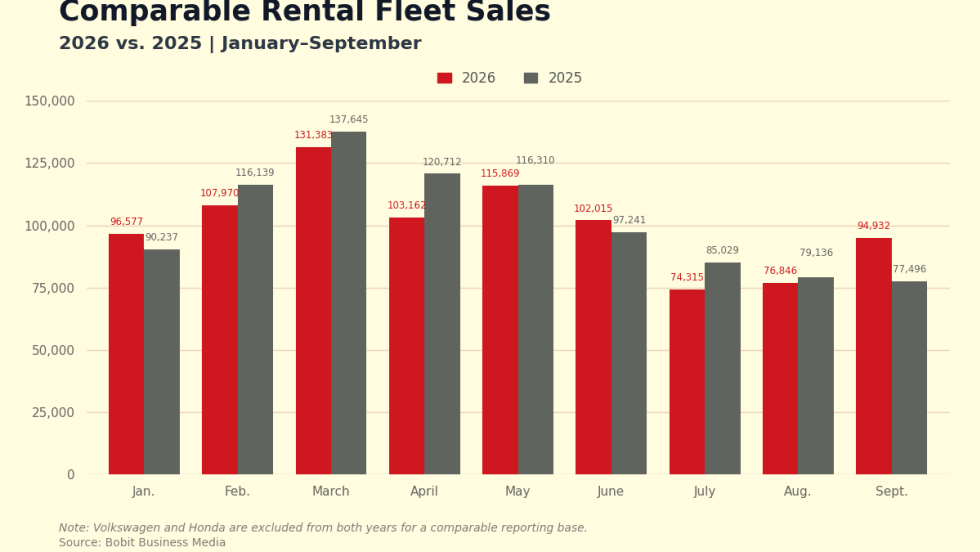
September Rental Fleet Sales Jump 22.5%, Narrowing Year-to-Date Decline
Comparable rental fleet sales remained 1.8% below 2025 through September, as a stronger month cut the year-to-date shortfall by more than half.
Read More →
Rental Vehicle Orders Remain Steady Amid Supply Concerns
With Hyundai’s South Korean strike creating uncertainty for 2027-model-year deliveries, Mike Muehlenfeld of Walser Automotive Group says rental operators are maintaining normal purchasing levels and generating strong returns at disposal.
Read More →
Global Carsharing Fleet Projected to Reach 768,000 Vehicles By 2030
A new Berg Insight forecast outlines several business models driving the projected growth in public carsharing worldwide through 2029.
Read More →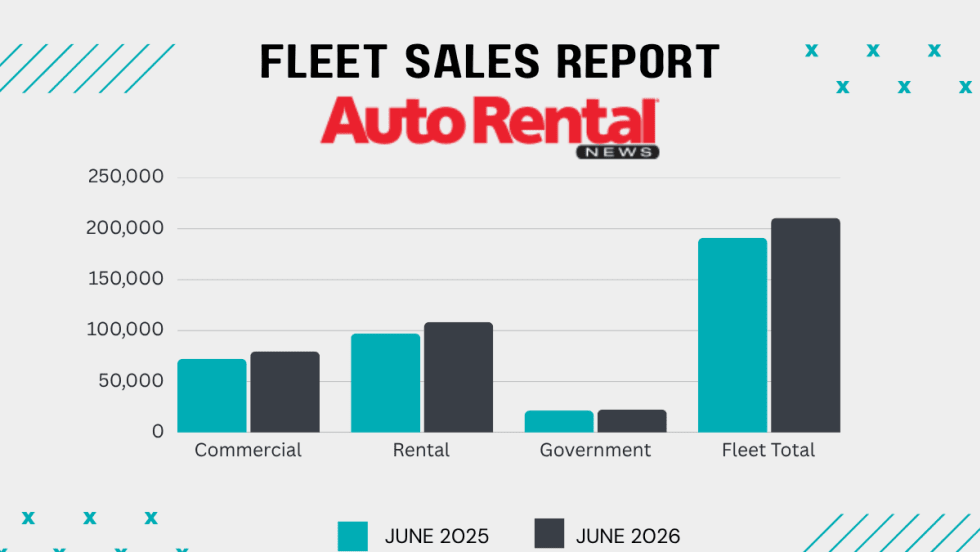
Rental Car Fleet Sales Show Mid-Year Strength
June gains ensured rental fleets closed out the first half of 2026 in positive territory.
Read More →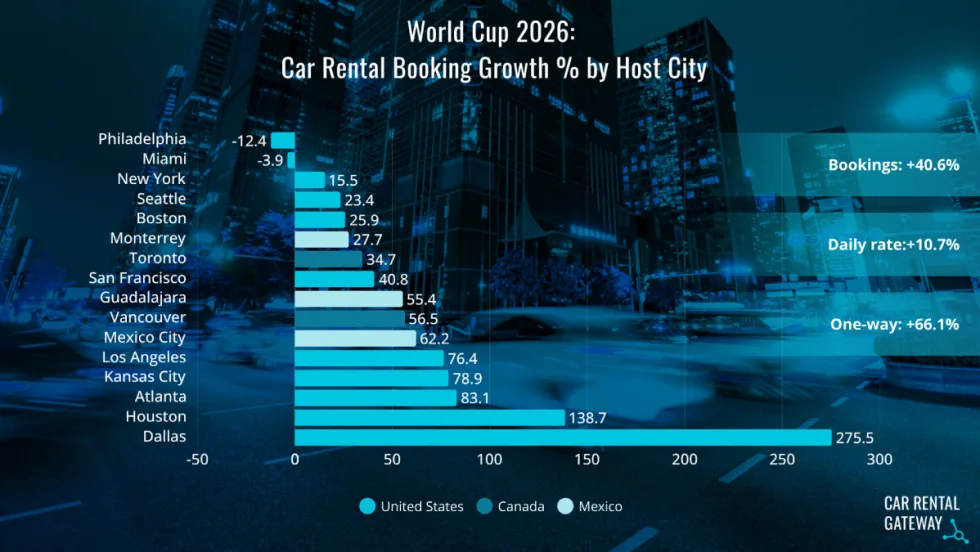
World Cup Travel Data Shows Longer Car Rentals and More One-Ways
A recent analysis of FIFA bookings found varied demand patterns that influenced rental car pricing.
Read More →
A Leveling Force: AI Morphs Into A Rental Car Profit-Seeker
Revenue managers can’t match the emerging AI tools gobbling lots of data that could counter the competitive race to the rate bottom.
Read More →
Rethink The Future To Avert A Race To The Bottom
Rental car operators heard a sobering industry message and a stern challenge at the close of the International Car Rental Show.
Read More →
DriveItAway, Free2move Plan Shared Fleet Program for Independent Rental Fleet Operators
Vehicles would be placed with participating rental operations to support car renter demand and provide additional fleet capacity.
Read More →
Stellantis Recalls 1.3 Million Jeep Vehicles Worldwide Over Fire Risk
Stellantis is recalling more than 1.3 million Jeep Wrangler and Gladiator models worldwide over a fire risk linked to power steering pump wiring.
Read More →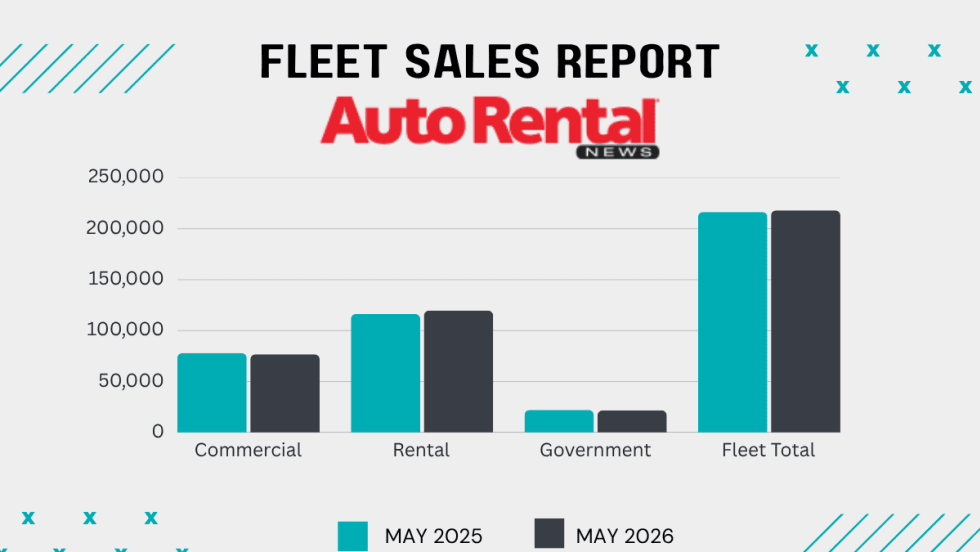
Rental Fleet Sales Skating Just Above 2025 Levels
The U.S. economy's continued growth and positive business investment are creating a favorable environment for fleet vehicle demand.
Read More →