




USTA Releases Guidance for 'Travel in the New Normal'
The health and safety guidance is meant for travel-related businesses, including car rental, to adapt as America reopens.

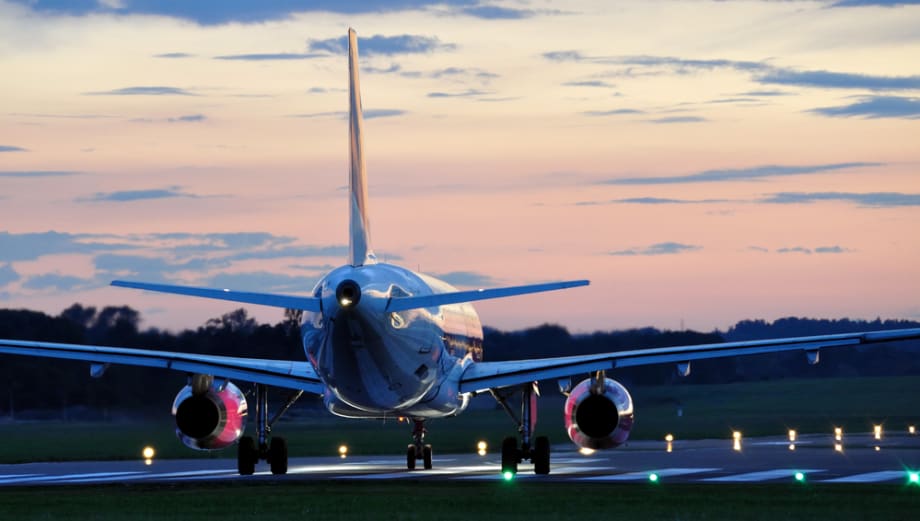
The guidance is designed for all aspects of the travel industry, including hotels, resorts, airports, airlines, attractions, restaurants, retail, rental cars, meeting venues, event producers, travel advisors, cruise lines, vacation rentals, and other types.
Photo via Depositphotos.
The United States Travel Association (USTA) has released a guidance for travel-related businesses to adapt. It is intended to promote the health and safety of travelers as the country reopens from lockdowns due to the coronavirus pandemic.
The guidance is designed for all aspects of the travel industry, including hotels, resorts, airports, airlines, attractions, restaurants, retail, rental cars, meeting venues, event producers, travel advisors, cruise lines, vacation rentals, and other types.
According to USTA, the guidance builds upon and aligns with the White House and CDC guidelines for “Opening Up America Again.”
The USTA said in a statement:
“As we move to the next phase of our response to the pandemic, we must demonstrate leadership to elected officials and public health authorities who will decide when, how and under what conditions travel businesses are allowed to reopen across America. Just as importantly, we must also inspire confidence in travelers by demonstrating travel businesses are appropriately focused on their health and safety.”
This guidance assumes a phased approach to reopening travel, according to USTA. Titled “Travel in the New Normal,” the guidance is focused on six main areas:
Travel businesses should adapt operations, modify employee practices and/or redesign public spaces to help protect employees and customers.
Travel businesses should consider implementing touchless solutions, where practical, to limit the opportunity for virus transmission while also enabling a positive travel experience.
Travel businesses should adopt and implement enhanced sanitation procedures specifically designed to combat the transmission of COVID-19.
Travel businesses should promote health screening measures for employees and isolate workers with possible COVID-19 symptoms and provide health resources to customers.
Travel businesses should establish a set of procedures aligned with CDC guidance should an employee test positive for COVID-19.
Travel businesses should follow best practices in food and beverage service to promote health of employees and customers.
The full guidance can be accessed here.
More Rental Operations

What Does It Take to Succeed in B2B Rentals?
The fundamentals may be familiar to daily car rental operators, but project-based truck rentals put different demands on the fleet and the business.
Read More →
NPR Builds on International Partnerships to Grow Rental Bookings
With Ana Laborde supporting broker development, NPR Auto Group is tailoring distribution strategies, rate packages, and partnerships to grow international reservations across its three brands.
Read More →
Advantage, Sixt Place Among Top Five in Annual Satisfaction Study
While Enterprise and National retain the top spots in JD Power’s 2026 rankings, the latest customer satisfaction results suggest renters can find competitive service beyond the biggest car rental names.
Read More →
The $100,000 Insurance Trap in Exotic Car Rentals
Exotic rental agencies often rely on customers’ personal auto policies to protect six-figure vehicles. But policy language can dramatically change the coverage for vehicles over $100,000 MSRP.
Read More →
The Booking Is Confirmed, But Is Your Customer Ready to Drive?
For international renters, a confirmed reservation doesn’t always mean they’re eligible to drive. Earlier checks can help operators catch documentation and payment issues before the customer reaches the counter.
Read More →
ICRS 2027 Opens Call for Papers
The International Car Rental Show seeks session proposals on the business, operational, and technology issues facing car rental operators. Submissions are due Jan. 15.
Read More →
Turo to Launch Vehicle Delivery Service
Turo Delivered will let travelers search for vehicles that hosts can deliver directly to hotels, homes, airports, train stations, and other locations.
Read More →
Palm Beach Airport Code Change Creates Car Rental Distribution Gap
A test of rental searches under the old PBI and new DJT airport codes returned largely different sets of brands and vehicles, highlighting a potential distribution problem for rental operators.
Read More →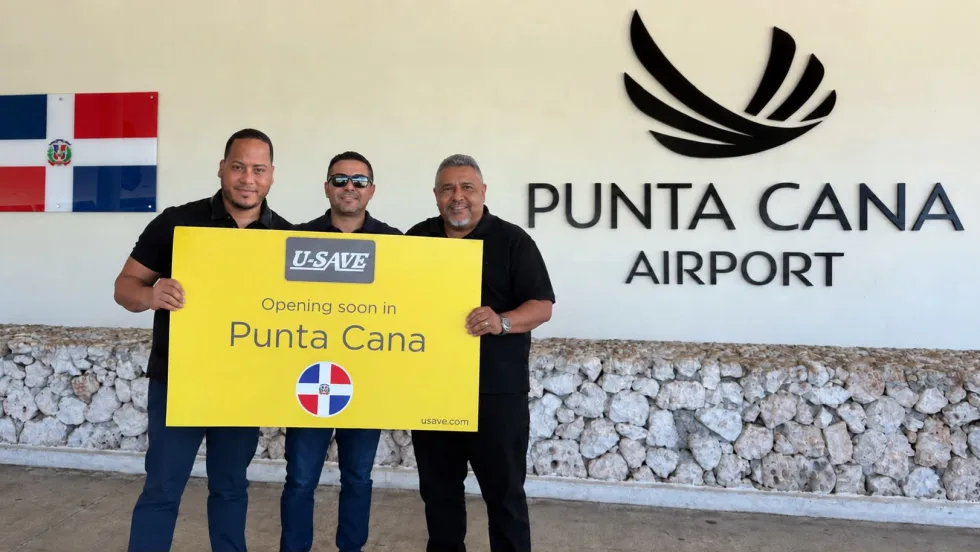
U-Save Continues Dominican Republic Expansion with Launch in Punta Cana
The new franchise location builds on U-Save’s existing Santo Domingo operation and will begin taking reservations for October 2026.
Read More →
When AI Books the Rental Car, Who Controls the Sale?
As AI moves from comparing rental rates to completing transactions, operators need to understand how travelers find, interpret, rank, and ultimately see their offers. (Part 2 of 2.)
Read More →