

Assessing COVID-19 Liability Legislation
This review of federal and state limited liability legislation will discuss how that legislation might shield companies from some types of claims arising from exposure to the coronavirus.
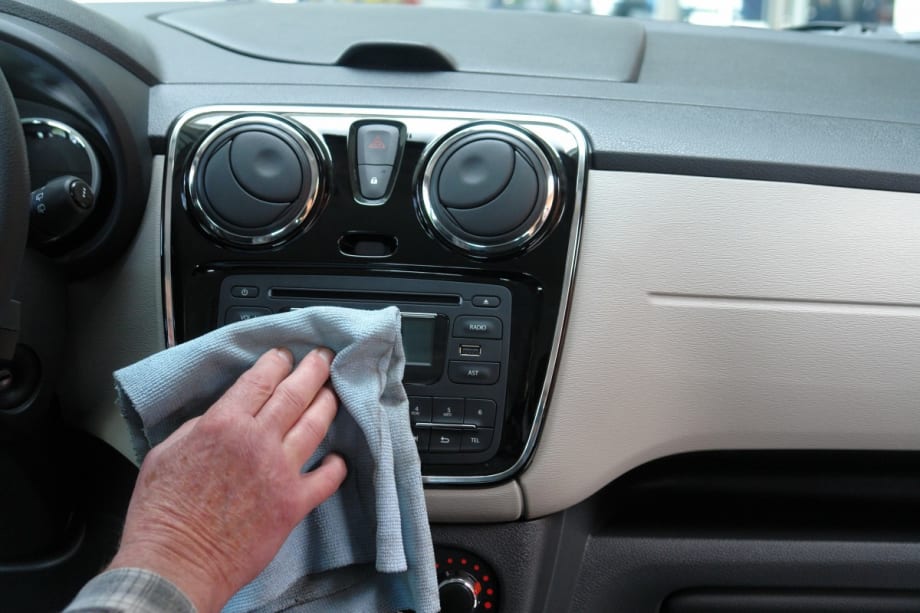
Even if COVID-19 cases ultimately are unsuccessful, defending them may be very costly, and the threat of litigation may deter some businesses from reopening fully.
Photo via Pxhere.
Part One of this article discussed the types of legal claims that customers might bring against a business following an alleged exposure to the coronavirus and the pros and cons of using waivers. This concluding part will review federal and state limited liability legislation and discuss how that legislation might shield companies from some of the types of claims discussed in Part One.
Liability Legislation
Even if COVID-19 cases ultimately are unsuccessful, defending them may be very costly, and the threat of litigation may deter some businesses from reopening fully. As a result, the federal government is considering legislation to limit liability for COVID-19 claims, and some states have enacted similar laws.
Federal: The “Safe to Work Act,” introduced in the Senate in July, would limit liability for COVID-19 claims and create a safe harbor for businesses that made reasonable efforts to comply with applicable government standards and guidelines in effect at the time of an alleged exposure. The Act creates a federal cause of action for coronavirus exposure claims and preempts conflicting state law.
A business would be liable only if a plaintiff could show: (a) the business did not take reasonable steps to comply with applicable government standards and guidelines; (b) the business’s gross negligence or willful misconduct caused the coronavirus exposure; and (c) the exposure resulted in personal injury to the plaintiff.
Maintaining a written policy on measures to mitigate transmission of coronavirus, which complies with (or is more protective of) applicable government standards and guidance, would create a presumption that the business had made reasonable efforts to comply with the applicable standards and guidelines. A plaintiff could rebut the presumption by showing that the business failed to comply with its own guidelines. However, neither a lack of a written policy nor changes to the policy after an alleged exposure would create a presumption that the business failed to make reasonable efforts.
When filing a complaint, a plaintiff would be required to identify all places and persons visited, as well as all persons who visited the plaintiff, during the 14-day period before the onset of the first symptoms
State: Several states — including Alabama, Arkansas, Georgia, Iowa, Kansas, Louisiana, Mississippi, Nevada, North Carolina, Ohio, Oklahoma, Utah, and Wyoming — have enacted COVID-19 liability limits that cover all businesses (and not just healthcare workers).
As is often the case, the state laws are similar, but not identical. That means a multi-state operator must become familiar with the law in each state where it operates and possibly implement different procedures at some locations to benefit from limited liability.
Key issues to consider in reviewing limited liability laws include:
Does the scope of the protection apply only to businesses?
What about individual owners and employees? In some states like Nevada, the limitation on liability applies to entities, their officers, and employees. Georgia’s law is even broader and applies to an entity’s directors, employees, contractors, independent contractors, vendors, and agents.
Must the business show that it complied with applicable standards?
If so, how are the applicable standards determined? The laws vary on this point. For example, in Mississippi a business will be immune from a suit if it made a good faith effort to follow applicable standards. In Nevada, an entity may demonstrate substantial compliance by establishing policies and procedures to enforce and implement controlling health standards in a reasonable manner.
Are there exceptions to applicable standards limitations?
Most of the laws define applicable standards to include controlling federal, state, or local standards applicable at the time of exposure. If no industry-specific standards exist, then federal, state, or local guidelines will apply. Like the federal Safe to Work Act, most of the state laws do not limit liability for gross negligence or intentional misconduct.
Does the law require the business to make disclosures to claim the protection?
Some states require disclosures to customers. North Carolina requires a business to disclose the measures that it has taken to reduce the risk of coronavirus transmission on its premises. Georgia creates a rebuttable presumption that, absent gross negligence or intentional misconduct by an operator, a customer assumes the risk of contracting the coronavirus by entering business premises if the operator includes a warning (in specified size, font, and text) on receipts or on signage at the entry.
Similar to the pending federal legislation, the state laws generally apply retroactively and have a sunset provision.
Know the Guidelines
Without industry-specific laws establishing minimum standards for sanitization, a rental operator must look to general federal, state, or local law, regulation, or ordinances or other written guidance published by the federal, state, or local government. This is necessary to determine the best way to sanitize and disinfect vehicles as well as the rental facility and otherwise protect customers from exposure to the coronavirus.
Car rental operators can access these resources for guidance:
Center for Disease Prevention and Control (CDC) Guidelines for Businesses
Joint Guidance from the CDC and the EPA on Cleaning and Disinfecting
Occupational Safety and Health Administration (OSHA) Guidelines
State and Local government guidelines for business reopenings
State and Local Executive Orders, such as those issued in several states and localities requiring face coverings
Operators should continue to monitor these and other publicly available sources for guidance on establishing policies to comply with the evolving understanding of the coronavirus and how it is transmitted.
About the Authors
Leslie J. Pujo is an attorney with Plave Koch PLC in Reston, Va., focusing on mobility and vehicle use, as well as franchising. She can be reached at lpujo@plavekoch.com. Wesley D. Hurst is an attorney in the Los Angeles office of Polsinelli and leads the firm’s Mobility & Vehicle Use practice. He can be reached at whurst@polsinelli.com.
More Legal & Legislative
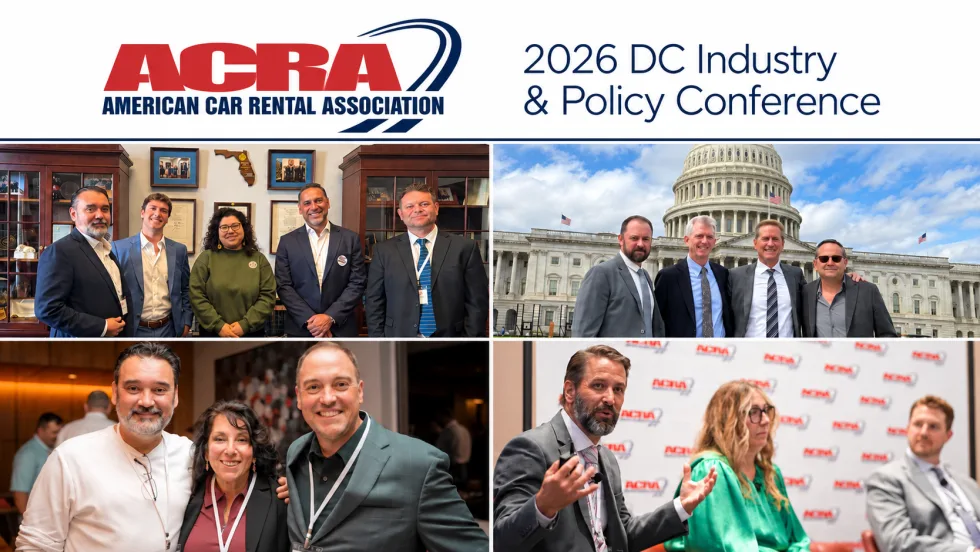
ACRA 2026 Annual DC Industry & Policy Conference in Photos
Car rental made its voice heard on Capitol Hill Sept. 22-25.
Read More →
Hertz Settlement Expands Hand-Control Rental Vehicle Availability
A court-approved ADA settlement requires Hertz to add dedicated hand-control minivans, expand reservation access, and, when necessary, offer the least expensive vehicle capable of accepting hand controls.
Read More →
Federal Appeals Court Upholds Colorado’s $3 Rental Car Fee
In a case brought by the American Car Rental Association on behalf of the rental industry, the 10th Circuit ruled that Colorado’s congestion impact fee falls on renters — not rental companies — and can remain in effect.
Read More →
ACRA Carrying Fuller Industry Load As AI and EVs Lurk In Future
The leading car rental professional business group details an active legislative, regulatory, and macro-trends agenda affecting car rental operators.
Read More →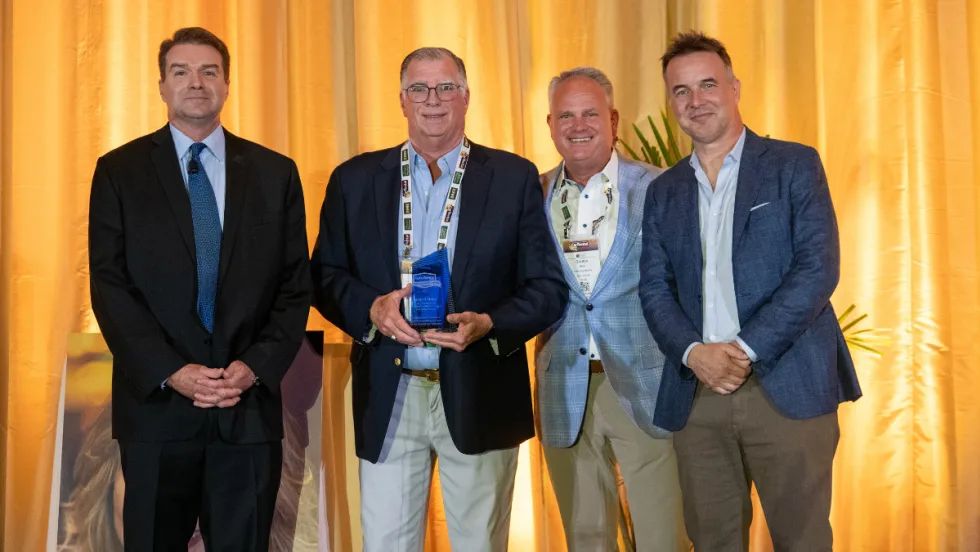
Government Affairs Executive Wins Leading Rental Car Industry Award
Robert Muhs started in the car rental industry with Avis Budget Group two years before the first International Car Rental Show.
Read More →
Using AI To Find Rental Car Damage
Angry car renters are storming social media, the mainstream media, and online ratings platforms to complain about charges they claim are either unfounded or excessive.
Read More →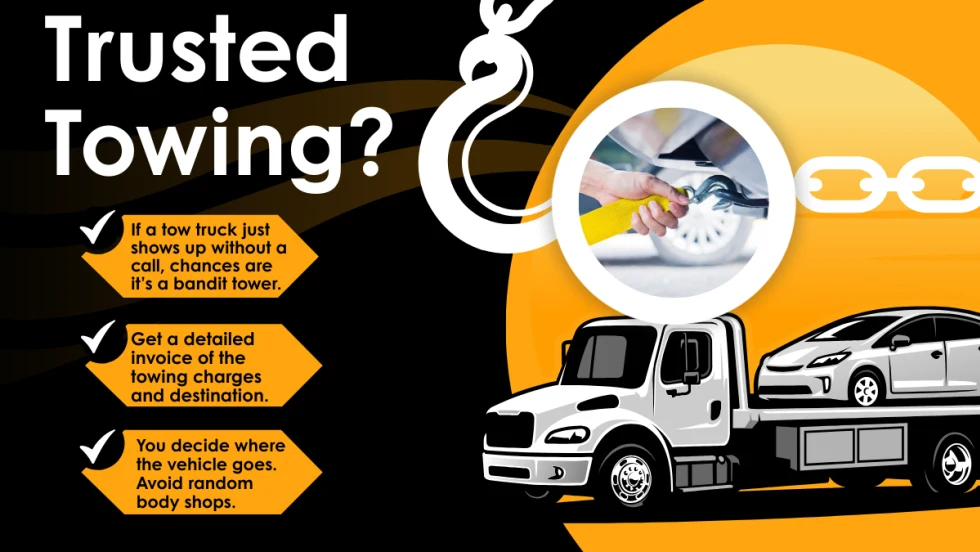
Bandit Towing A Tough Road For Car Rental Companies
Operators often must spend far too much time and resources trying to recoup rental cars towed away and held hostage to outrageously high fees.
Read More →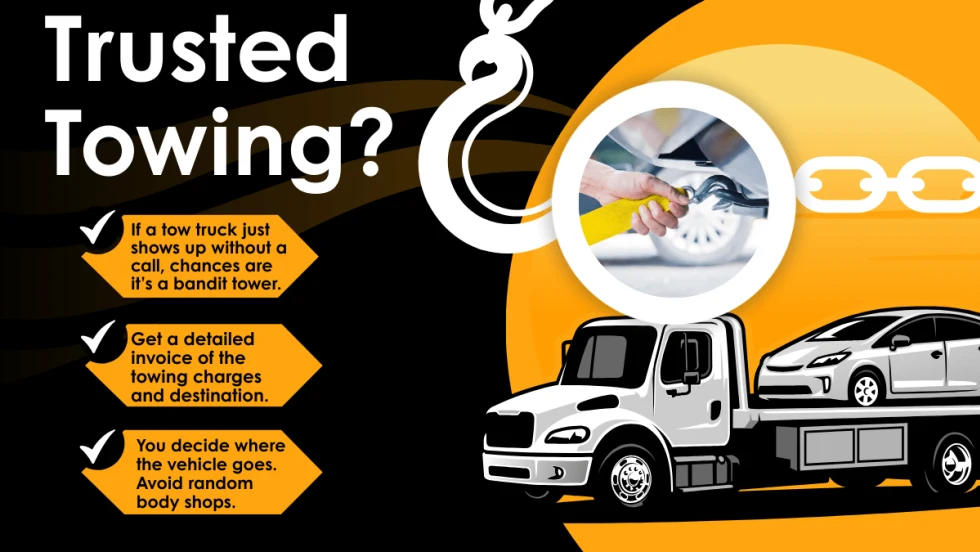
Bandit Towing A Tough Road For Car Rental Companies
Operators often must spend far too much time and resources trying to recoup rental cars towed away and held hostage to outrageously high fees.
Read More →
ACRA: Spurring Car Rental Industry Success
The American Car Rental Association scored more access and influence in 2025 as it grows its services for car rental operators.
Read More →
AVOA Partners with AALA and NLC
The American Vehicle Owners Alliance (AVOA) recently announced its partnership with the American Automotive Leasing Association (AALA) and the National League of Cities (NLC).
Read More →