


Car Rental Operations: Five Areas You Can Improve on Now
While dismal economic conditions may be out of our hands, there are things you can control to help your team post higher results and weather the current marketplace.

It has been an extremely challenging six months for the car and truck rental industry and for most industries in the global economy. Our heads have been filled with Wall Street shake-ups, government bailouts, credit crunches, auto manufacturers on the brink of bankruptcy and dismal unemployment numbers. And, finally, the government issues an official statement informing us we are in—and have been in—a recession. (Thanks for the heads up, Uncle Sam!)
It is tough find a silver lining in these storm clouds, but it is critical that we recognize one positive truth in front of us all:
We cannot control those dismal issues.
Why is that positive? Because you are not alone! No one can control these issues—not your competitors, your corporation, your boss, your frontline sales teams, nor your sister industries, the airlines and hotels. Once we accept that fact, we can focus on the issues in our business we can control and make a tremendous impact.
Design an Incentive Plan for Incremental Sales Opportunities
A $3-per-day increase in incremental sales can double an operator’s overall profit.
Developing a service-based sales culture and targeting incremental sales are two of the most impactful ways to increase your bottom line. For every $100 the industry collects in incremental sales, $60–$70 is added to the bottom line as profit. In most cases a $3-per-day increase in incremental sales can double an operator’s overall profit.
Not only are these products lucrative, they also enhance the customer’s experience. Presenting a nicer and more appropriate vehicle based on customers’ needs helps the customer experience. Allowing your customers to waive their financial responsibility for a vehicle they do not own while driving in a foreign city is a service. Providing your customer base with convenience items such as the fuel option, a navigation unit or ski rack is a service.
Take Action
Design an effective, fair and motivational incentive plan.
Has your team received a base wage increase in 2008? If the answer is no, don’t lose sleep, many Americans have not. Providing your frontline and management team a lucrative incentive plan based on incremental sales will put their earning potential in their hands. From a financial perspective, you can sleep well at night knowing that the plan would be funded with “found revenues.”
Service-based sales cultures are not created overnight. They are cultivated by having management commit to developing the right environment for sales, finding the right fit of team members and engaging the entire team with the right motivation and expectation.
Implementing a customer-centered sales process for the rental will help your front line stay positive and in control. Developing your frontline sales team’s positive attitude, product knowledge of the services and ability to present the sales process requires a commitment to training.
After the correct incentives are installed, high level training is provided and expectations are set, management support should follow. Management support requires a presence at the counters, recognition from senior leadership and an ability to remove obstacles for the frontline sales team.
Create Urgency With Customer Service
The customer impression begins the moment she is transported to the rental location.
Developing an enhanced urgency around the customer experience and being relationship focused with your customer base is all within your control as an operator. A recent retail consumer study found that more than 70 percent of respondents had three major items at the top of the list during their experience: a knowledgeable and caring staff, low prices and easy-to-find product information.
It is critical the entire team understands that the customers’ rental experience is not confined to the time between customers handing your frontline associate their driver’s license and the hand-off of the keys. Stress that the impression begins the moment customers are transported to the location after their arriving flight and ends with the final step off the bus returning to their departing flights.
The counter greeting, the cleanliness of the facility, the rental process, the key delivery, the ability to leave the lot in a timely and safe fashion, the support that may be needed while the rental is out and finally the return process are all key pieces to whether someone has a good impression or not.
Creating this type of urgency around the customer’s impression is all within control of the operation and frontline sales team.
Take Action
Show your team the true cost of a customer complaint.
Does your company charge back an admin fee or service charge when a complaint escalates? Does your accounting department track credits or customer service fees? If so, make the numbers clear to your entire team. Segment the costs by area of operation. Share the impact of negative word of mouth and the rapid pace of customer opinion. After determining the costs behind customer service issues, develop a ratio of complaints to transactions to measure your progress.
After the business case is made, train your team on how to keep complaints at a local level. Incorporate customer-focused dialogues into the training that involve role playing relevant customer service situations. The most effective customer service training programs end with very clear, empowering guidelines of the latitude team members have to have to make certain the customer leaves satisfied.
Finally, after the case is made, the team is trained and you have their buy-in, it is critical that senior management has a presence with the frontline team. Urgency spreads once team members see managers doing the little things for customers or supporting the frontline to enhance customer experience.
Assess Your Claims Recovery Process
Does your frontline and return team know the true cost of a $500 unallocated claim?
Your ability to protect your assets and recover what is entitled to you as an operator has always been important. However, now more than ever, having a well-balanced claims strategy is critical.
[PAGEBREAK]
Because of the shift to risk vehicles, your team will have to adjust to inspecting different makes and models, and cars will leave your lots with more miles on them. Your customers will be more apprehensive about “owning up” to damage on a 35,000-mile vehicle, when in the past they were driving vehicles with less than 5,000 miles on them. The challenge is only going to get tougher.
Staffing your return agents appropriately, creating urgency for your frontline, return and service teams, allocating your admin team to the right projects and knowing your options and entitlements as an operator are all within your control in the coming year.
Take Action
Make the business case to your frontline and return team on the true cost of a $500 unallocated claim.
Share with them that if an operation is posting a 5 percent profit margin and an unallocated claim goes uncollected, it requires the counter to generate an additional 250 rental days at $40 per day to make up the lost $500. Set very clear walk-through guidelines and damage inspection slip guidelines for your team.
Evaluate the true cost of keeping recovery operations in-house. Ask yourself the following questions:
What is our true labor cost?
Where can those hours be re-deployed into other efforts like sales or administrative?
Can we save expense and cut the hours?
What is the cost of outsourcing the recovery process to a third party?
What are we truly collecting on short-term cases versus waiting and collecting more by being more patient?
Do we have the capabilities to understand all of the case laws and entitlements?
Did I get in the car rental business to rent cars or process claims?
Industry experts feel that outsourcing the recovery process to a third party yields a 20 percent higher collections return and saves on internal payroll.
Reevaluate Your Frontline Sales Force
With the increase in unemployment, you can fill your recruiting pipeline with strong candidates.
Since the start of the recession in December 2007, the number of unemployed people increased by 2.7 million. November 2008’s unemployment rate rose to 6.7 percent. Strong sales professionals are out there!
There are many energetic, professional candidates in search of sales or customer service opportunities. Now is the time to evaluate your frontline sales force, measure them in a fair fashion and determine your true incremental sales upside. Even if volume is low and you cannot support new staff, it is well worth your time to fill your recruiting pipeline with strong candidates.
When business does improve, and it will, you will again be in a war for talent with your competitors and other recovering industries.
Take Action
Begin the evaluation of your current team with these questions:
How does this frontline sales associate or manager perform against their peer group and location?
Do they have a positive influence on their team?
Are they good ambassadors of our business?
Knowing what I know now, would I rehire this person if they were applying today?
If the team member in question does not score well on the evaluation, the answer is clear. Note that without the proper training and support and a candid review process, this evaluation is tougher to apply.
Strengthen Your Team’s Ambassadorship of Your Company
The current economic conditions create urgency to have candid conversations with your team about representing your brand well.
Your ability to lead your management team and frontline sales force will be tested over the next year. This will require some soul searching and an evaluation that begins by looking within.
Take Action
Is your message positive and realistic or does it revolve around doom and gloom?
Is your message taken seriously by your team?
Do you create the type of urgency on incremental sales, customer service, claims recovery and recruitment that your boss creates for you?
Now is the time to have candid conversations with your team about representing your brand well.
In the past, putting up with the “little things” a manager might have done poorly or having a “slightly rude” frontline representative on the counters may have been okay. Now it is not. The current economic conditions create urgency to have these delicate conversations. Fortunately you can control when and how those conversations will take place.
Putting incremental sales, customer service, claims recovery, talent assessment and a positive attitude at the top of your list will help you and your team post higher results and weather the current marketplace. Look at the challenges ahead as an opportunity to improve.
Ken Stellon is a vice president of consulting services for the Khoury Group. The Khoury Group has been a key performance partner to the car and truck rental industry for more than 15 years. Their mission is to increase profit by assisting businesses to create service-based sales cultures. Representatives from the Khoury Group are monthly contributors to Auto Rental News Q&A. Ken Stellon can be reached at 630-788-2879.To subscribe to Auto Rental News magazine, click here.
More Rental Operations

Palm Beach Airport Code Change Creates Car Rental Distribution Gap
A test of rental searches under the old PBI and new DJT airport codes returned largely different sets of brands and vehicles, highlighting a potential distribution problem for rental operators.
Read More →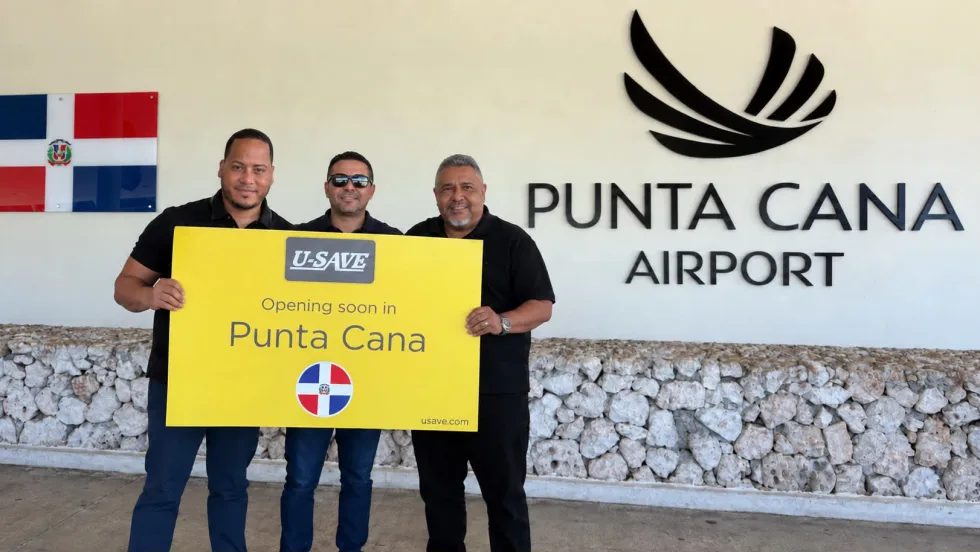
U-Save Continues Dominican Republic Expansion with Launch in Punta Cana
The new franchise location builds on U-Save’s existing Santo Domingo operation and will begin taking reservations for October 2026.
Read More →
When AI Books the Rental Car, Who Controls the Sale?
As AI moves from comparing rental rates to completing transactions, operators need to understand how travelers find, interpret, rank, and ultimately see their offers. (Part 2 of 2.)
Read More →
European Booked Car Rental Rates Fell 5%, Results Varied by Country
Ireland, Cyprus, and the United Kingdom saw steep declines, while booked rates rose in Poland and Hungary.
Read More →
Is It Time to Rethink Rental Categories?
As traditional economy and compact cars disappear from the market, longtime rental operator Mike DeLorenzo asks whether the industry’s familiar vehicle categories still make sense — and what operators need to rethink along with them.
Read More →
Who Owns the Rate? AI Is Creating a New Distribution Problem for Car Rental
Generative Engine Optimization asks whether AI can find a rental company, but operators also need to know whether the agent inspected enough of the market, compared equivalent offers, and presented a rate the traveler can actually book. (Part 1 of 2)
Read More →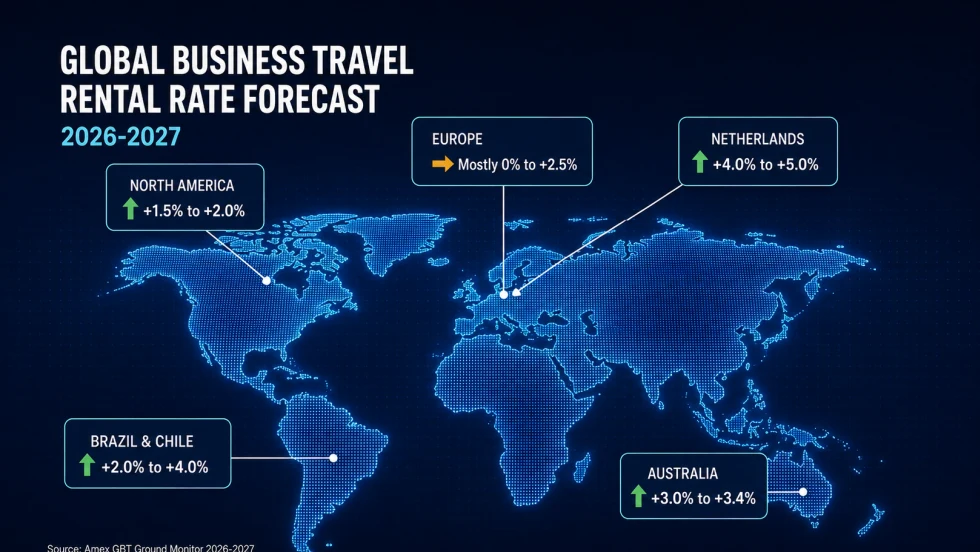
U.S. Business Travel Car Rental Rates Forecast to Rise Up to 2%
Improved fleet supply should limit pricing gains in 2026-27, while insurance, repair costs, and softer residual values continue to pressure rental operations, according to Amex GBT.
Read More →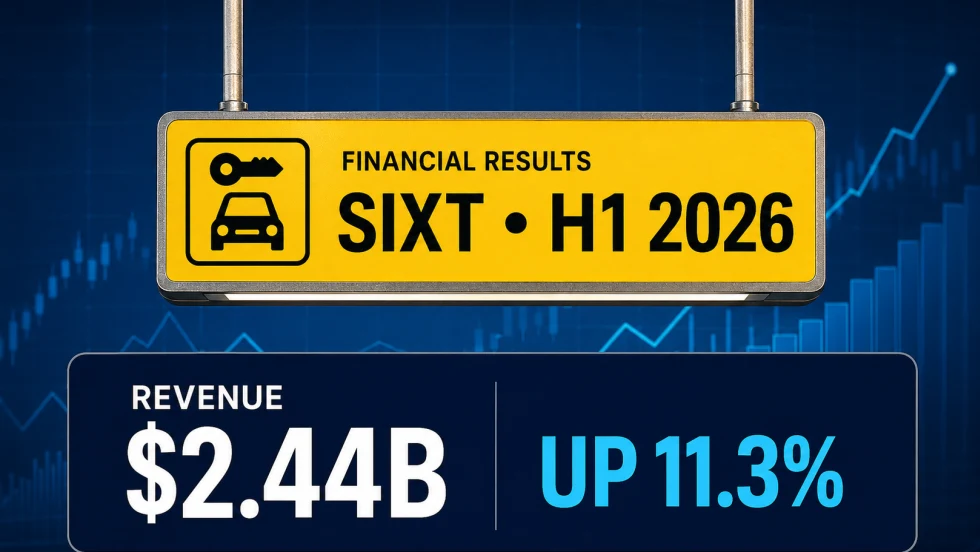
Sixt Revenue Tops $2.4 Billion in First Half of 2026
Sixt’s first-half revenue surpassed $2.4 billion for the first time as demand outpaced fleet growth, lifting utilization and earnings despite weaker consumer sentiment in North America.
Read More →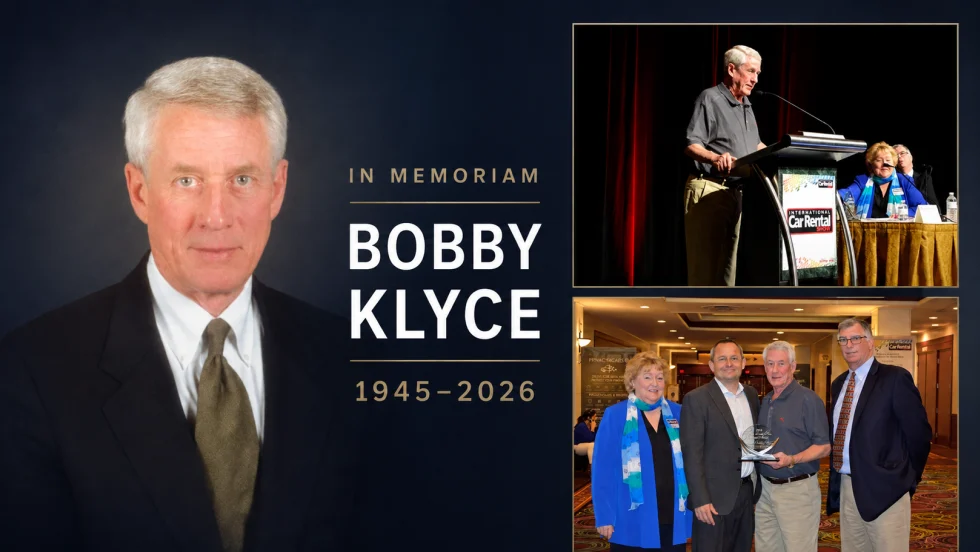
In Memoriam: Bobby Klyce, Avis Licensee Legend
The longtime Birmingham Avis operator and 2018 Auto Rental News Impact Award recipient was remembered as an advocate for independent licensees and the broader car rental industry.
Read More →
How to Build Custom Fleet Tools With AI and Vibe Coding [Webinar]
A new Automotive Fleet webinar explores how fleet managers are using AI and vibe coding to automate routine work and create simple operational tools without traditional programming skills.
Read More →