




Damage Claims: An Accident Waiting to Happen
We need to self-regulate the damage claims process before legislators do it for us.
It’s a story we have all seen before. A customer returns a vehicle with new damage. And when it is pointed out to him, instead of accepting the facts, he openly questions the ethical integrity of the company he rented from. There is nothing remarkable about this.
Sooner or later, most consumers come across a news story about alleged damage fraud. And every time they do, it reinforces a perception that the industry as a whole treats damage as a profit center. Left unchecked, that perception will inevitably lead to hasty and ill-conceived legislation. We do not have to let that happen.
The car rental industry has a long and storied history of letting negative public perception turn into unfavorable legislation. In my home state of California, we have seen restrictions on damage recovery from renters and authorized drivers, such as a prohibition on loss of use and caps on administrative fees, the imposition of caps on collision damage waiver (CDW) prices, limitations on GPS tracking and so on.
Many of these laws resulted from a few, high-profile cases of operators who crossed the line, either out of a lack of understanding the fundamentals of consumer protection or even out of greed or desperation.
Eventually, legislators reacted to these cases by promulgating new regulations that not only corrected the alleged problems, but also outlawed even reasonable and fair approaches to the various issues. Without public support, the car rental industry has become a popular whipping post for politicians and a source of tax revenue for unrelated industries.
I worry that we are just a bad case or two away from additional legislation being enacted over damage claims. Indeed, a bill just introduced in Colorado seeks to take away some important rights granted in the PurCo v. Koenig loss-of-use cases.
The solution to a perception problem is simple: You get in front of it and you do something proactive to change that perception. Other industries have solved this problem through self-regulation.
The MPAA created the well-known movie rating system in response to concerns about content. Manufacturers rely on independent organizations such as Underwriter Laboratories and IEEE to help keep their products safe and reliable.
Self-regulation does a far better job of balancing the needs of industries and consumers than legislation will. Numerous studies have repeatedly shown that enforcement of self-regulation increases profits, makes companies empirically better, provides a measurable benefit to consumers and keeps legislators away.
[PAGEBREAK]
To avoid legal challenges, an industry must ensure that self-regulation, like a code of ethics, does not include agreements to restrict competition or similar anti-competitive activities.
For example, the Federal Trade Commission (FTC) — the agency that administers federal anti-trust laws — generally encourages self-regulation, as it frees up government resources and can benefit industry and consumers by promoting transparency and accuracy about products and services.
I asked Leslie Pujo of Laplaca Pujo, P.C. for her thoughts. She responded that as long as the self-regulation does not result in price or service restrictions, boycotts or other anti-competitive behavior, federal and state regulators tend to view self-regulation positively.
When in place, the industry’s code of self-regulation may even become a standard that regulators and courts use to evaluate the permissibility of an individual company’s actions.
I think it’s time that we as an industry take a hard look at our damage claims process, come up with a set of standards to govern that process and fund an independent organization to enforce those standards. Will it be difficult to develop? Absolutely. Will there be some initial expense? Of course.
But over the long term, there will be substantial savings. Anything we can do to build trust with consumers as an industry will benefit all.
We can be proactive and work toward building trust with consumers, or we can do what we have done in the past — wait for something bad to happen, and then scramble to minimize the damage as legislators hit us once again with over-reaching regulations. I hope you will join me in supporting this long-overdue step forward.
About the Author
Sharky Laguana is CEO and founder of Bandago, a passenger van rental company headquartered in San Francisco. He can be reached at sharky@bandago.com.
More Legal & Legislative
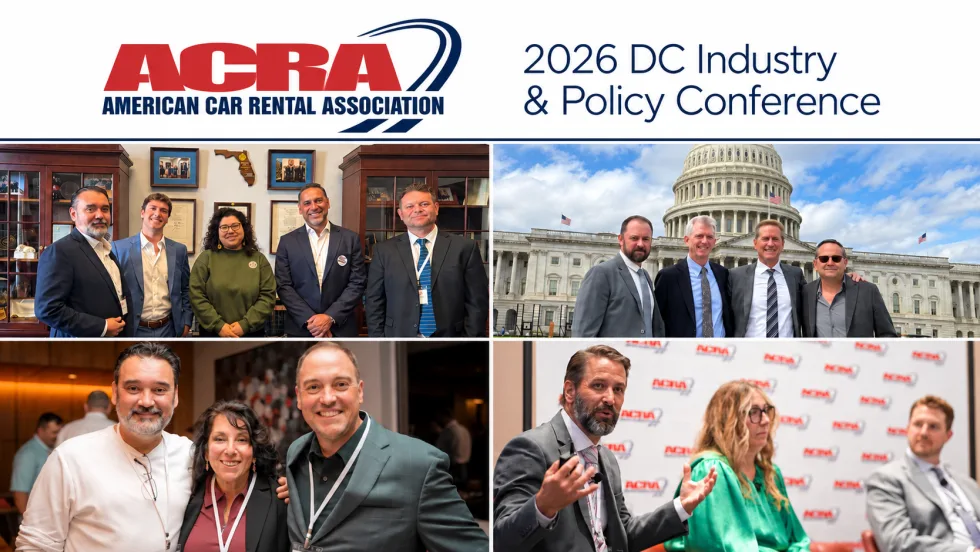
ACRA 2026 Annual DC Industry & Policy Conference in Photos
Car rental made its voice heard on Capitol Hill Sept. 22-25.
Read More →
Hertz Settlement Expands Hand-Control Rental Vehicle Availability
A court-approved ADA settlement requires Hertz to add dedicated hand-control minivans, expand reservation access, and, when necessary, offer the least expensive vehicle capable of accepting hand controls.
Read More →
Federal Appeals Court Upholds Colorado’s $3 Rental Car Fee
In a case brought by the American Car Rental Association on behalf of the rental industry, the 10th Circuit ruled that Colorado’s congestion impact fee falls on renters — not rental companies — and can remain in effect.
Read More →
ACRA Carrying Fuller Industry Load As AI and EVs Lurk In Future
The leading car rental professional business group details an active legislative, regulatory, and macro-trends agenda affecting car rental operators.
Read More →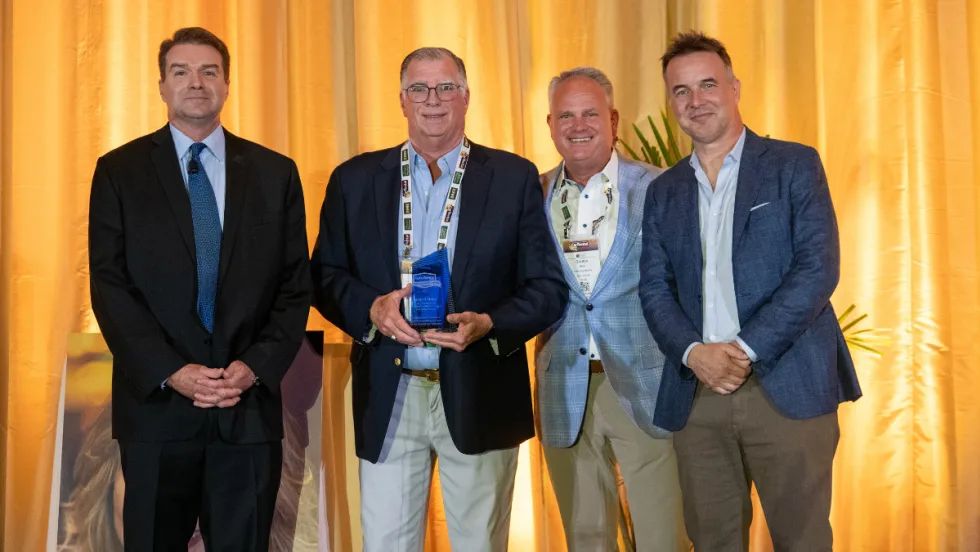
Government Affairs Executive Wins Leading Rental Car Industry Award
Robert Muhs started in the car rental industry with Avis Budget Group two years before the first International Car Rental Show.
Read More →
Using AI To Find Rental Car Damage
Angry car renters are storming social media, the mainstream media, and online ratings platforms to complain about charges they claim are either unfounded or excessive.
Read More →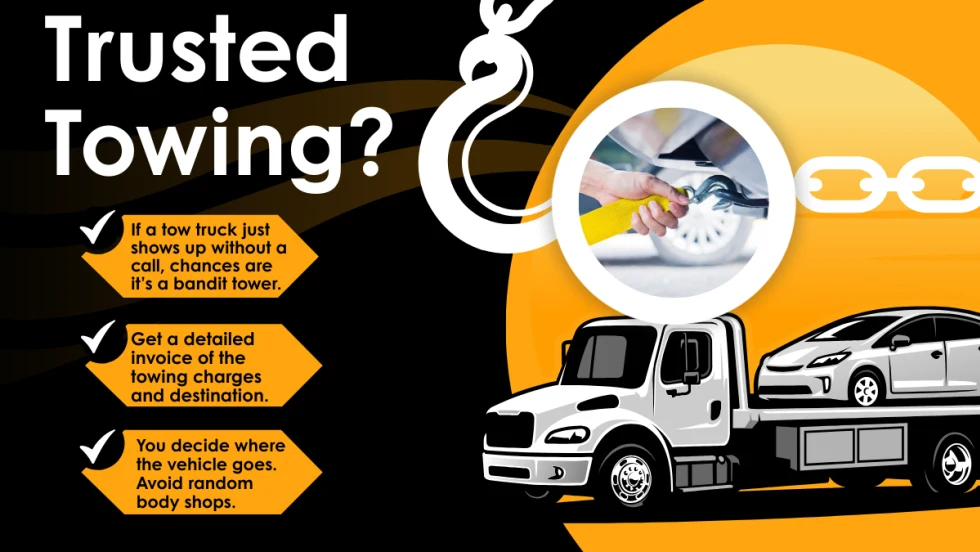
Bandit Towing A Tough Road For Car Rental Companies
Operators often must spend far too much time and resources trying to recoup rental cars towed away and held hostage to outrageously high fees.
Read More →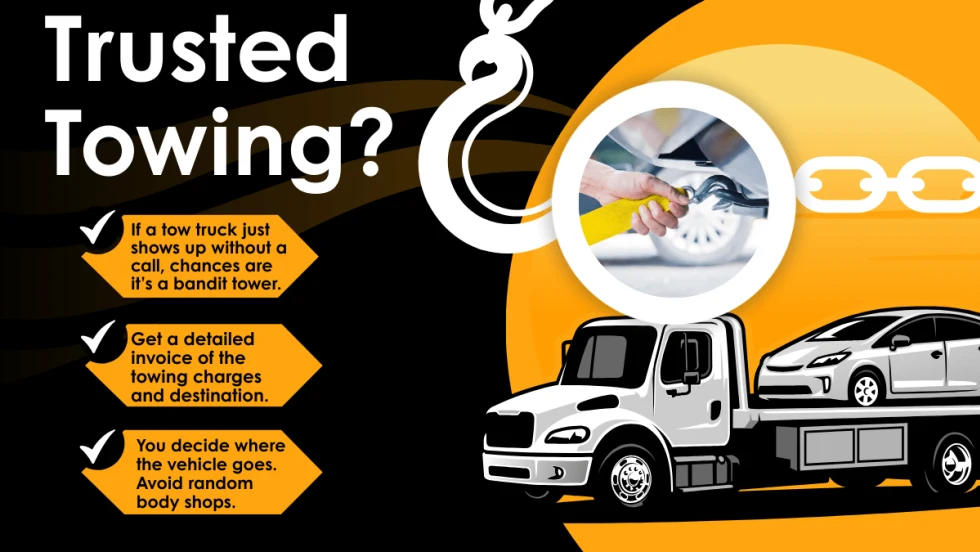
Bandit Towing A Tough Road For Car Rental Companies
Operators often must spend far too much time and resources trying to recoup rental cars towed away and held hostage to outrageously high fees.
Read More →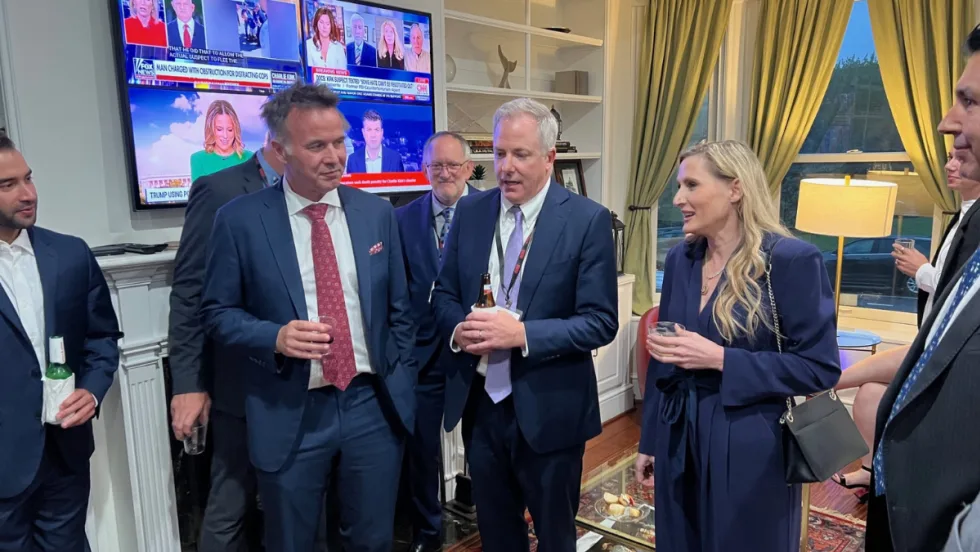
ACRA: Spurring Car Rental Industry Success
The American Car Rental Association scored more access and influence in 2025 as it grows its services for car rental operators.
Read More →
AVOA Partners with AALA and NLC
The American Vehicle Owners Alliance (AVOA) recently announced its partnership with the American Automotive Leasing Association (AALA) and the National League of Cities (NLC).
Read More →