


New Business Models: Your Fleet, Skurt's App
The Los Angeles-based startup uses car rental companies' fleet to serve the new mobility market.


After a prequalification process, customers access and book rentals through the Skurt app. Photo courtesy of Skurt.

After a prequalification process, customers access and book rentals through the Skurt app. Photo courtesy of Skurt.
Skurt delivers rental cars. This is not a new concept, but it is the core of Skurt’s business model. “We don’t consider ourselves a car rental company,” says Harry Hurst, Skurt co-founder. “We’re a mobility provider.”
This is an important distinction considering Skurt’s market. Hurst says the aim is to create convenient and affordable access to short-term mobility for people who may not have even considered a rental for their use case.
Skurt doesn’t own fleet; rather, it partners with car rental companies to offer their fleet for a daily rental through Skurt’s app. For car rental companies, the value proposition is to reach new local markets utilizing excess inventory — without associated costs. “There are no investments in infrastructure, real estate, labor, or marketing,” says Hurst, who comes from a technology and business background. “Skurt handles everything.”
Launched in October 2015, Skurt operates in Los Angeles and Orange County at present, with plans to “expand quickly” over the next year. Skurt has existing national supply partnerships, Hurst says, and is looking for others.
A Recycling Program
Renters access Skurt by downloading a smartphone app and undergoing Skurt’s prequalification process. When they make a reservation, Skurt sends offers to multiple car rental companies with customers’ information, a daily rate, and length of rental. The rental company can either accept or decline the offer.
After accepting an offer, a Skurt representative picks up the car from the rental company at the agreed time and delivers it to the renter. The contract is digitally signed by the renter and is available online, along with vehicle inspection photos. The contract stays with the rental company. There is no fleet commitment or contract between Skurt and the fleet provider.
Skurt insures the vehicles during the drop-off and pick-up periods. The renter’s insurance is primary during the rental. Any damage, theft, or loss claims during the rental are handled by Skurt and guaranteed through its $100,000 loss protection policy.
Ancillary products, such as loss damage waiver, can be offered through the app and the incremental revenue is passed through to the rental company.
Regarding Skurt’s pricing model, Hurst reiterates that the daily rate offered is stripped of any cost to the car rental company, such as OTA fees, marketing expense, and labor. “There is no cost to acquire the customer with Skurt,” Hurst says.
In an optimal scenario, the car would be cleaned (by Skurt) and “recycled” to a new reservation until it’s called back by the fleet owner. Skurt’s profit is built into the premium it charges customers for the convenience. The Skurt recycling program “creates efficiencies that can be passed onto the consumer,” he says.
Fueling Growth
“The way I saw it, I have excess inventory sitting around, why not?” says Steve Vahidi, president of MPG Car Rental in Los Angeles. “[Skurt has] become a big account for us.”

Steve Vahidi (right) opened MPG Car Rental in 2011. Photo by Chris Brown.
Vahidi says his profit margin is maintained on each Skurt rental, with the added benefit of lower costs.
He doesn’t touch the reservation, except to see Skurt drivers pick up and drop off the cars. “I’ve been able to cut labor hours and lower my payroll expense,” he says.
In terms of marketing, “I’ve had no reason to advertise using pay-per-clicks anymore and compete with the major car rental companies,” Vahidi says, “and I don’t knock on body shop doors for new business.”
Vahidi says he is satisfied with Skurt’s management of his vehicles, including handling potential damages, collections, and chargebacks. “They take full responsibility if anything happens to the car,” he says. “I would say it’s almost safer for us to rent a car through Skurt.”
Since starting with Skurt, Vahidi estimates his utilization has gone up 10% to 15%. His average rental length with Skurt is 4.5 days, similar to Skurt’s overall average.
Taking it one step further, Vahidi says Skurt is fueling business growth. He’s invested in extra fleet and is considering locations in other areas to park cars — instead of opening a storefront and all associated costs. “This is an opportunity for me to get into markets I don’t even have,” he says. “Our business has changed because of Skurt.”
More Rental Operations
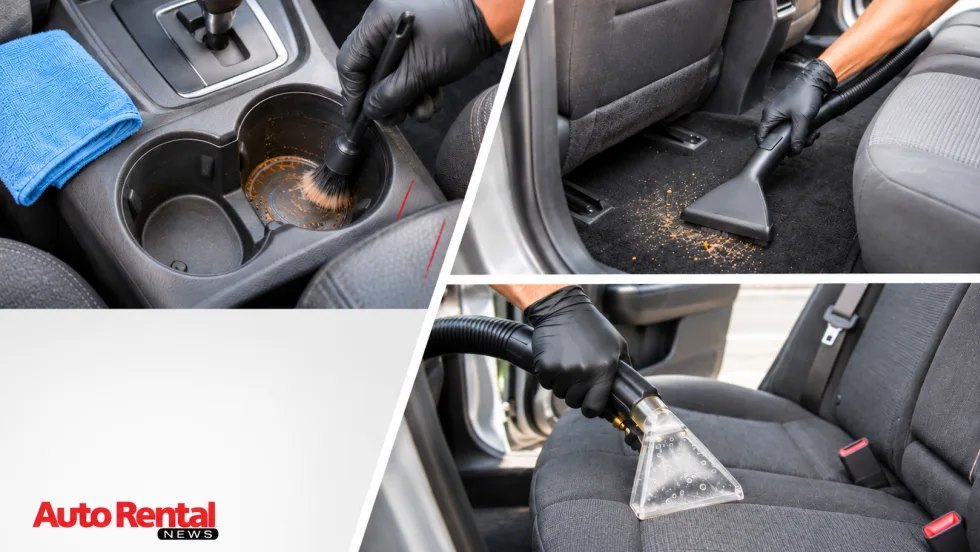
How Better Cleaning Processes Improve Rental Fleet Efficiency
A consistent approach to vehicle cleaning helps rental operators reduce turnaround delays and return vehicles to service without compromising cleanliness.
Read More →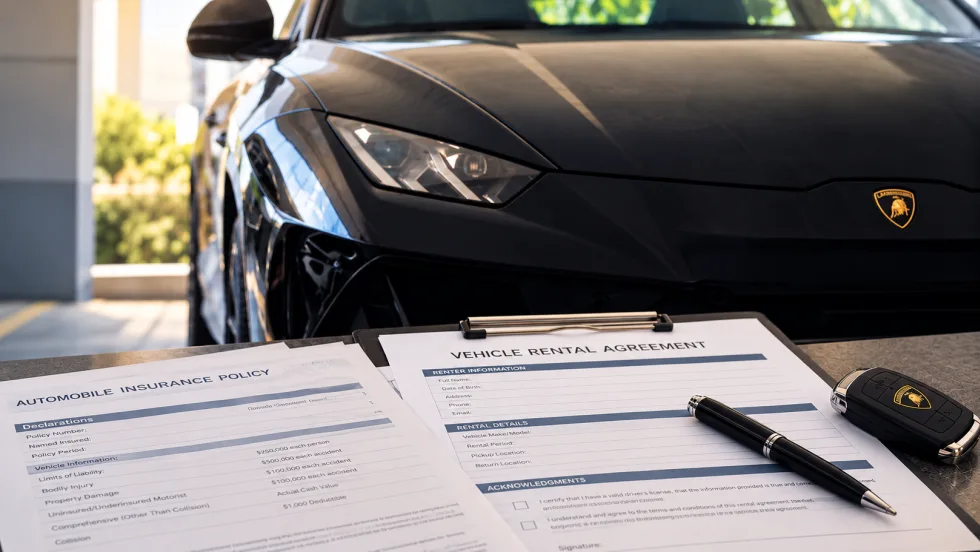
Clean on Paper: Red Flags in Exotic Car Rental Verification
A suspicious $45,000 Lamborghini booking reveals the strengths and limitations of renter verification, from forged insurance documents to coverage gaps and unauthorized drivers. (Part 2 of 3)
Read More →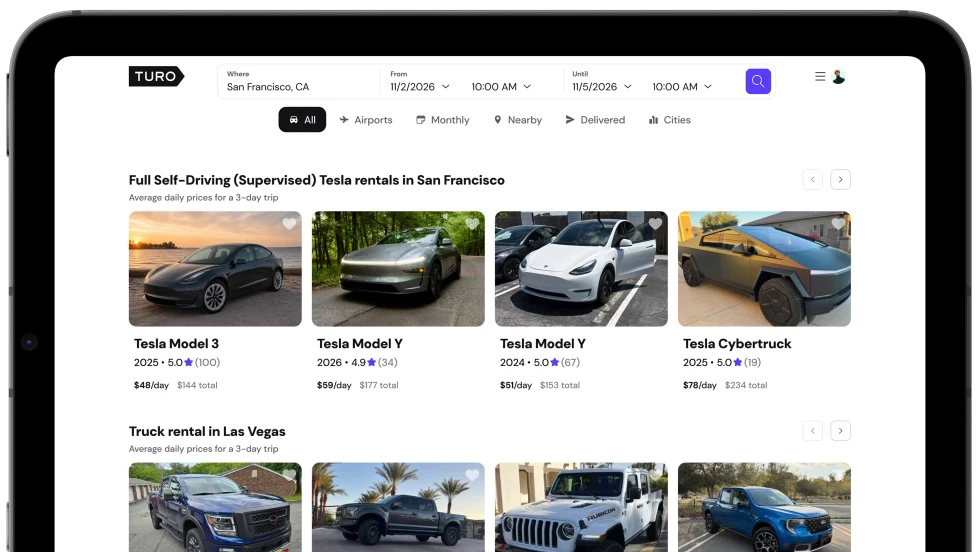
Turo and Tesla Take the Next Step Toward Autonomous Car Rentals
The partnership brings Tesla's Full Self-Driving (Supervised) technology into the rental experience, offering a glimpse of how increasingly automated vehicles could change car rental.
Read More →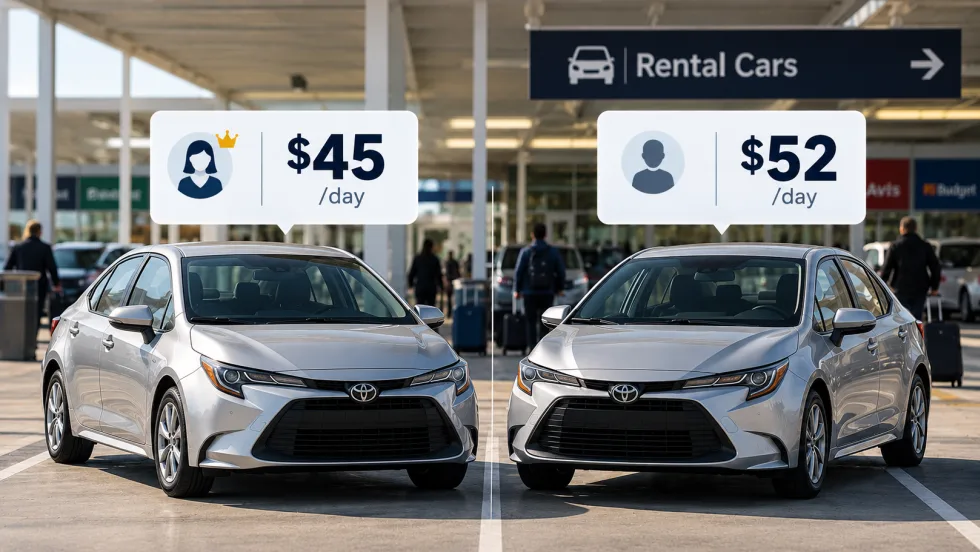
How Rental Operators Can Navigate Personalized Pricing Rules
As regulators scrutinize the use of customer data in pricing, rental operators need to know whether they can explain why one renter pays more than another.
Read More →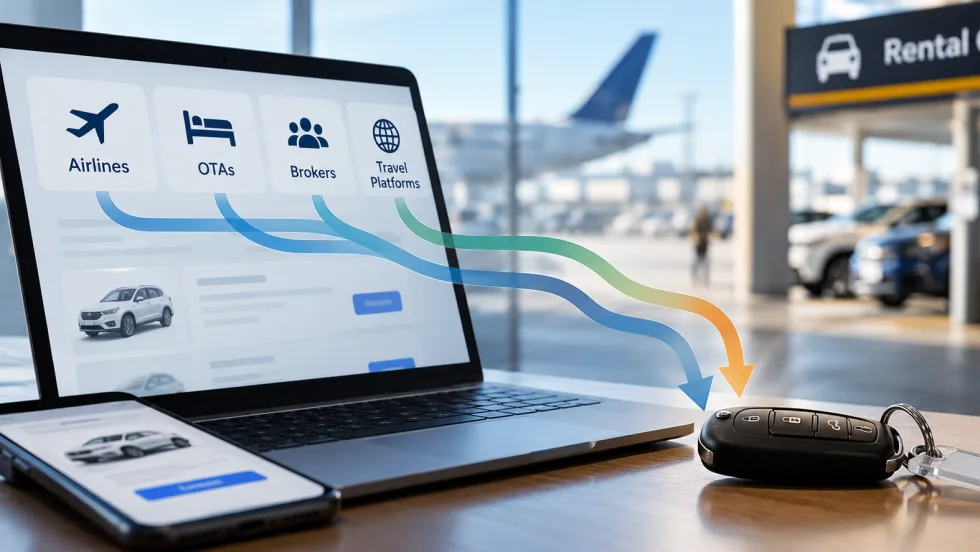
Direct, Broker or Hybrid? How Travel Retailers Source Rental Cars
As travel retailers weigh direct supplier relationships against third-party distribution, rental operators need to understand how those decisions affect their business.
Read More →
How Did This Independent Rental Operator Grow to 170 Vehicles in 4 Years?
With 170 vehicles across three Kentucky locations, Joel Price relies on an overseas team to handle reservations, payments, and after-hours customer service. It's one part of an unconventional approach to growing an independent rental operation.
Read More →
What Does It Take to Succeed in B2B Rentals?
The fundamentals may be familiar to daily car rental operators, but project-based truck rentals put different demands on the fleet and the business.
Read More →
NPR Builds on International Partnerships to Grow Rental Bookings
With Ana Laborde supporting broker development, NPR Auto Group is tailoring distribution strategies, rate packages, and partnerships to grow international reservations across its three brands.
Read More →
Advantage, Sixt Place Among Top Five in Annual Satisfaction Study
While Enterprise and National retain the top spots in JD Power’s 2026 rankings, the latest customer satisfaction results suggest renters can find competitive service beyond the biggest car rental names.
Read More →
The $100,000 Insurance Trap in Exotic Car Rentals
Exotic rental agencies often rely on customers’ personal auto policies to protect six-figure vehicles. But policy language can dramatically change the coverage for vehicles over $100,000 MSRP.
Read More →