



Sales Slowdown Leads to Specter of Overcapacity
Auto manufacturers are ready to pump out more cars. Could this mean higher incentives and lower residuals?

As of Feb. 1, automakers had an average 88-day supply of unsold vehicles in the U.S., the most since the height of the Recession in 2009. The Detroit 3 started February with more than a 100-day supply. While bad winter weather kept car buyers home, are supply issues a trend?
At the Automotive News World Congress in January, AutoNation CEO Mike Jackson told the industry it needed to contain inventory levels of unsold vehicles. If not, the industry could be faced with an incentive war to move the metal, he warned.
Total discounts on new cars have been inching higher since November and year over year, according to Edmunds.com and CNW Research.
This comes on top of reports of auto manufacturers opening up new domestic plants and increasing production. Volkswagen is investing $7 billion in North American manufacturing infrastructure in the next four years. Japanese automakers Nissan, Honda and Mazda are building and opening plants in Mexico to serve North America. General Motors, Ford and Toyota are ramping up production at existing plants.
And while new car transaction prices remain high, new vehicle sales in 2014 aren’t expected to sustain the double-digit growth of the past few years.
Sales Into Rental
“Sales gains appear to be slowing for a number of manufacturers, although it may be difficult to tell from January’s sales reports due to the bad weather,” writes Eric Ibara, director of residual value consulting for Kelley Blue Book. “Should the slowdown turn out to be real, it will mean that virtually all manufacturers will have to decide whether they continue to run their production lines or pare back to preserve their margins.”
“Of course, along with higher incentives, the option of diverting more volume into daily rental will loom large for any manufacturer that chooses the former option,” Ibara continues. “If that happens, the possibility that the rental industry will see more volume this year could be real, and accompanying that route of course is the likelihood of lower used car values.”
Since the Recession, the automotive industry has done a historically good job of rightsizing production and tempering sales to rental fleets. According to data from Auto Rental News, last year’s rental fleet sales did not keep pace with the overall increase in new vehicle sales.
However, one fleet seller acknowledged a higher level of manufacturers’ year-end dealmaking than unusual.
“The OEMs swore they were only doing so many cars into rental,” says the fleet seller. “The manufacturers are sacrificing profit for market share, which means residuals will suffer.”
[PAGEBREAK]
Wholesale Outlook
The used car market has been on a gentle and steady decline since reaching historic peaks in 2011 and 2012. This year, used values are expected to drop up to 2%, according to Edmunds.
Looked at another way, Black Book estimates first-year depreciation for 2014 to run 14.5% to 15%. On average, vehicles depreciated 15% to 17% before the Recession, according to Black Book. In the Recession years — on short supply — those numbers dipped to 12%-13%.
As a result, “Depreciation needs to be adjusted to reflect the changing market,” says the fleet seller.
“It’s still a reasonably good seller’s market for late-model used cars,” says Tom Kontos, ADESA’s chief economist, referring particularly to one-year-old vehicles or rental units. “There is still a healthy supply-demand balance to sustain prices at levels that are above an overall softening used car market for the [higher-aged] cars. But that won’t last forever.”
But the used car market faces added inventory this year from a new influx of post-Recession lease returns, this time from the retail side. Those former retail leases have fewer miles than commercial leases, thus creating competition with used rental cars.
The recent market conditions shouldn’t be cause for worry about the big picture, analysts say.
“The overriding dynamic in today’s used vehicle market is rebounding supply, which is putting downward pressure on wholesale prices,” writes Kontos in his January commentary. “However, strong retail demand is restricting this downside, as is the gradual nature of the supply increase itself.”
Kontos points out that this demand isn’t artificially inflated, as it had been before the Recession when retail buyers used some of that adjustable-rate mortgage money to also buy cars they didn’t need.
Nonetheless, fleets need to keep a closer eye on the micro-market changes. “The one thing you can say is ‘Fleet management is now more important than ever,’” says the fleet seller.
More Remarketing
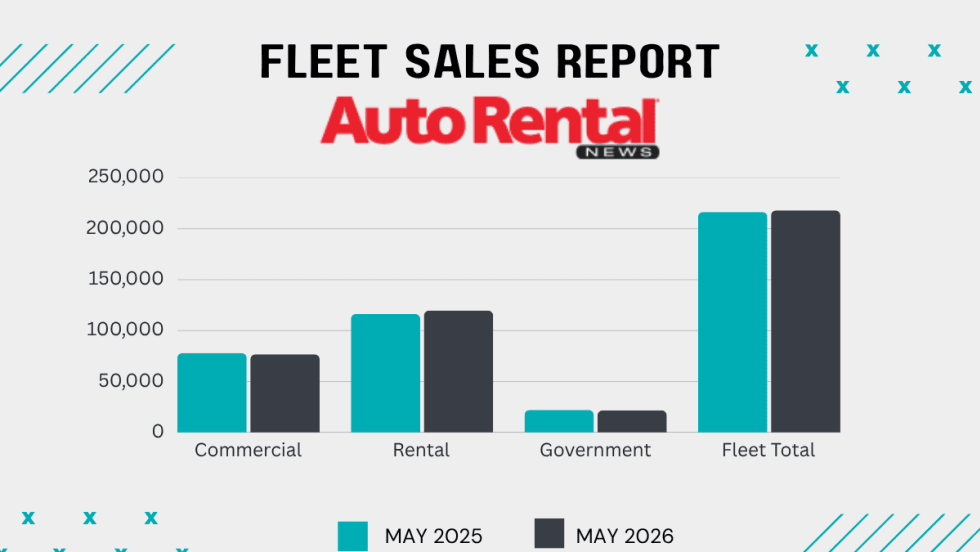
Rental Fleet Sales Skating Just Above 2025 Levels
The U.S. economy's continued growth and positive business investment are creating a favorable environment for fleet vehicle demand.
Read More →
Cross-Pressures, Evolving Trends Drive 2026 Rental Car Industry
A combination of cautious economic behavior, shifts in the rental vehicle market, and technological influences are shaping car rental operator decisions.
Read More →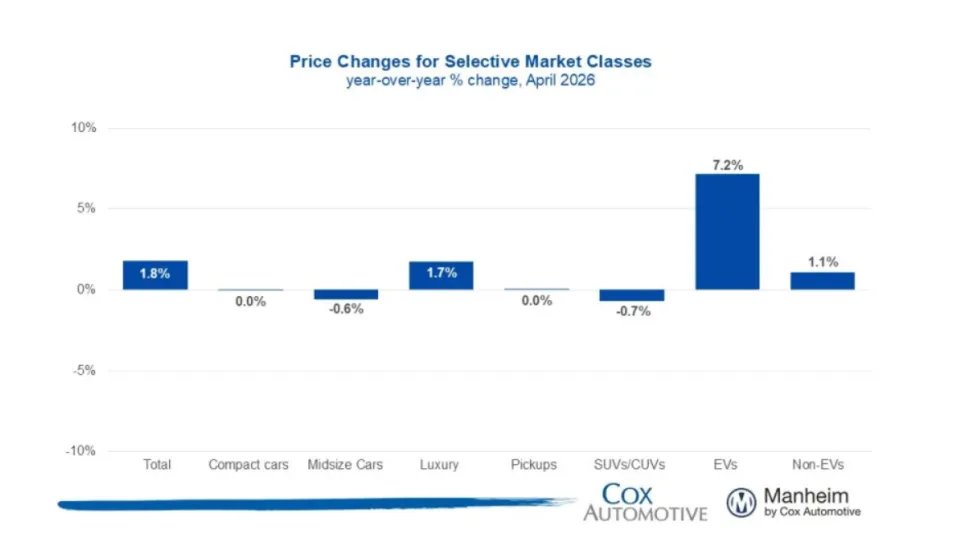
Wholesale Used Vehicle Prices Slightly Up In April
The Iranian conflict and rising gas prices inject much uncertainty into the future wholesale used vehicle markets, as higher gas prices soak up spendable income from vehicle buyers.
Read More →
Surprice Opens Two Rental Branches In Japan
The launch highlights the global car rental operation’s growing presence in Asia.
Read More →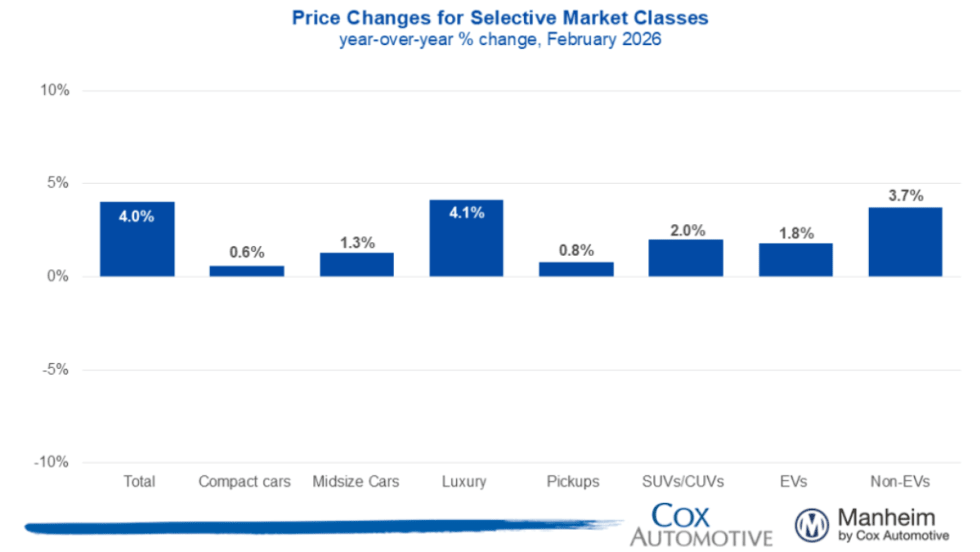
Wholesale Used Vehicle Prices Up In February
Solid demand at Manheim auctions with higher sales conversion rates indicate an appetite from dealers to buy.
Read More →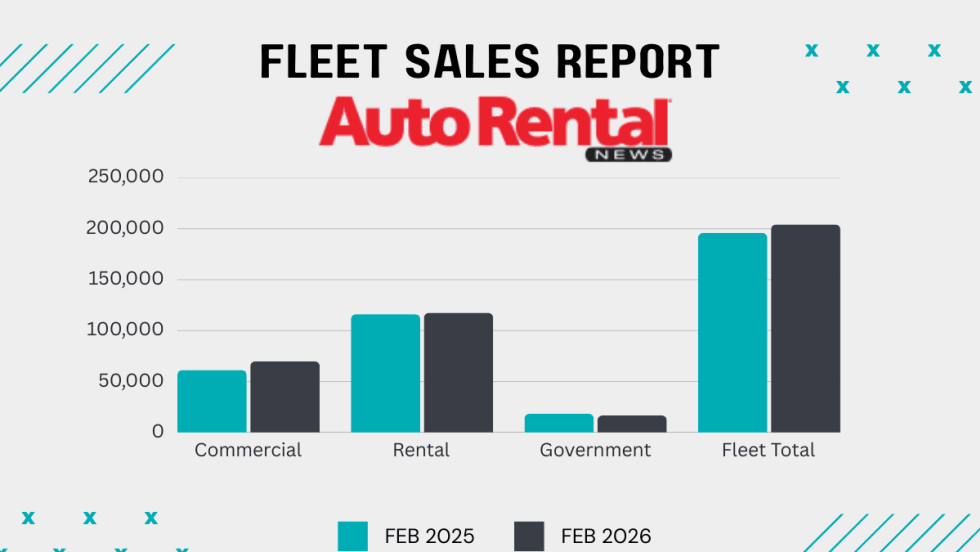
Rental Fleet Sales Slow In February Ending A Strong Streak
Commercial fleets posted the most gains, sustaining increases in monthly and year-to-date fleet sales
Read More →
Avis Budget Group Reports Near $1 Billion Loss Tied To 2025 EV Fleet Write-Down
Following Hertz, the company is the second global car rental conglomerate to sustain sizable losses due to lower customer demand and usage of electric rental cars.
Read More →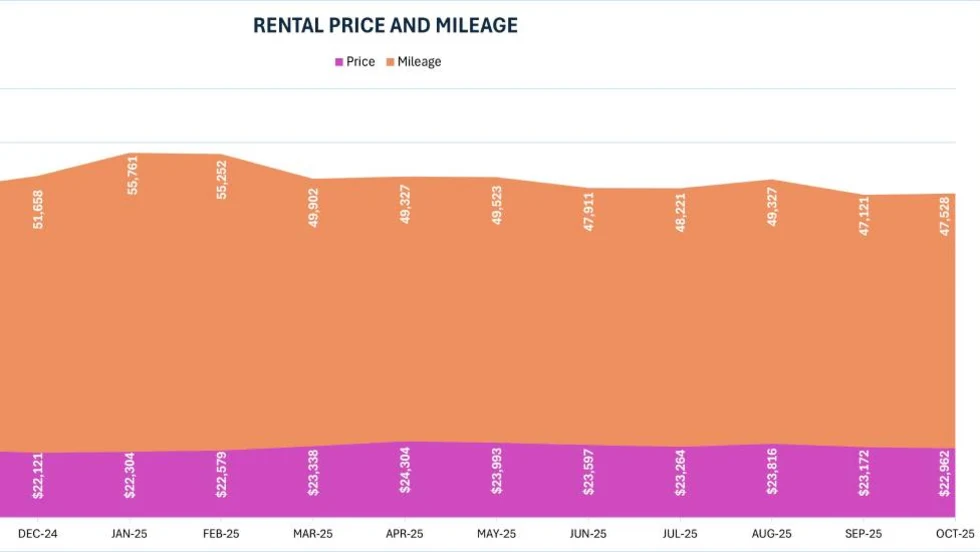
2025 Rental Vehicle Remarketing Summary And Outlook
The year brought modest and flatter results across wholesale values, total off-rental supply, and rental risk units.
Read More →
Auctions Record Highest Vehicle Sales Since 2019
2025 figures show a steady recovery in wholesale vehicle activity this decade.
Read More →
DriveItAway Holdings, Free2move Launch Operations In Nine Cities
The co-branded program with Stellantis’ mobility division scales up leasing and financing options nationwide with more cities to come online in 2026.
Read More →