


ACRA Discusses 'Cash for Guzzlers' Bill
The following was written by Bob Barton, president of ACRA, regarding the recent “Cash for Guzzlers” bill.
The following was written by Bob Barton, president of ACRA, regarding the recent “Cash for Guzzlers” bill.
President Obama signed legislation last week commonly referred to as the “Cash for Guzzlers” program. Taking an old car off the road that gets poor fuel mileage and emits significant levels of pollutants will help the environment and reduce our dependence on foreign oil. The problem is that is not the only reason being touted for this program.
There is no requirement that the vehicle purchased with the federal voucher be produced or assembled in North America. The taxpayers are subsidizing this program and there is a great potential that these funds will be sent overseas, not helping Detroit or any of the other companies manufacturing in the U.S. that are creating jobs to help the American economy. Someone that purchases a vehicle manufactured in Asia, for example, will simply take a Federal subsidy and ship that $4,500 into another country’s economy. We are providing Federal Assistance for Detroit and making TALF funds available to manufacturers in the U.S., why would our other programs not be designated for the same companies we are trying to assist, instead of funding their competition? Isn’t part of this bill about job creation and stimulating the U.S. economy?
Problem two is that in all likelihood someone that is driving a vehicle that qualifies is doing so because that is what they can afford. If someone trades in a vehicle that is worthless in order to get a $4,500 voucher, they are going to have debt that they did not have previously. If you by a $25,000 vehicle, you will now have a vehicle loan of $20,500 to pay off. Even if you do so over five years at 0.0 percent interest, that will generate a new payment of $342 per month. Let us also not forget that this vehicle will also generate higher insurance premium payments. This program could easily increase the consumer’s cash outflow by $500 per month.
The consumer just lost $500 per month of discretionary spending for the next five years. This program will not help the economy; it will shift the spending to the automobile industry at the expense of other discretionary spending. Cash inflows equal cash outflows. If they don’t have the discretionary funds, something else does not get purchased.
We need to fix the credit problem and that will help spur car sales. Consumers are not buying cars (individuals, companies and a large portion of the car rental industry) because they do not have the credit facilities to do so. The credit crisis is what currently stands as the largest hurdle to fix the problem. If the credit markets are addressed, more Americans will buy cars.
This bill will not help in its current form.
Respectfully Submitted,
Robert M. Barton
President
More Rental Operations
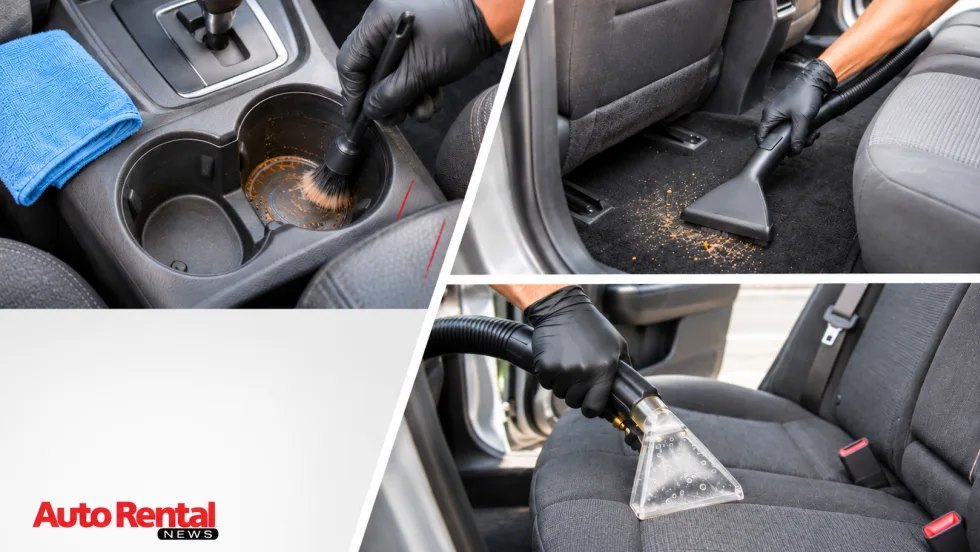
How Better Cleaning Processes Improve Rental Fleet Efficiency
A consistent approach to vehicle cleaning helps rental operators reduce turnaround delays and return vehicles to service without compromising cleanliness.
Read More →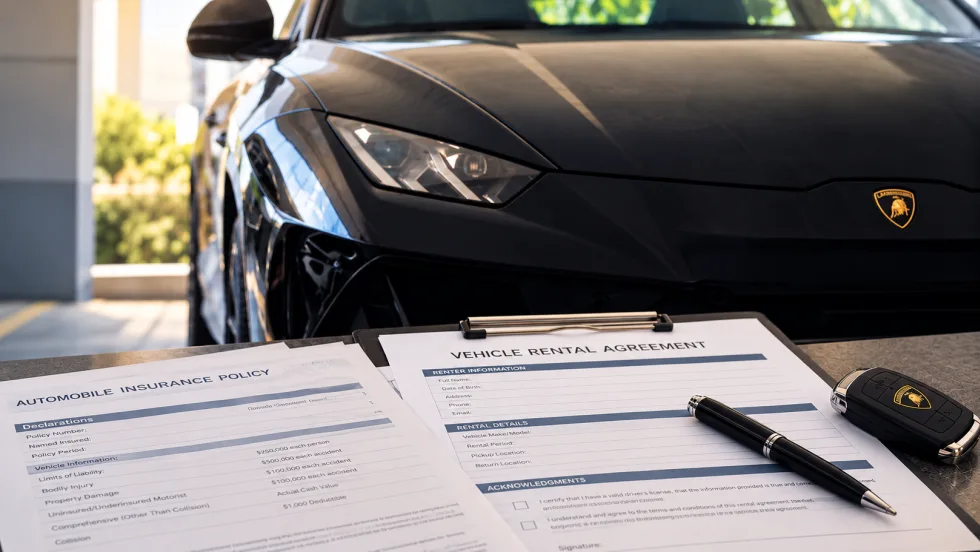
Clean on Paper: Red Flags in Exotic Car Rental Verification
A suspicious $45,000 Lamborghini booking reveals the strengths and limitations of renter verification, from forged insurance documents to coverage gaps and unauthorized drivers. (Part 2 of 3)
Read More →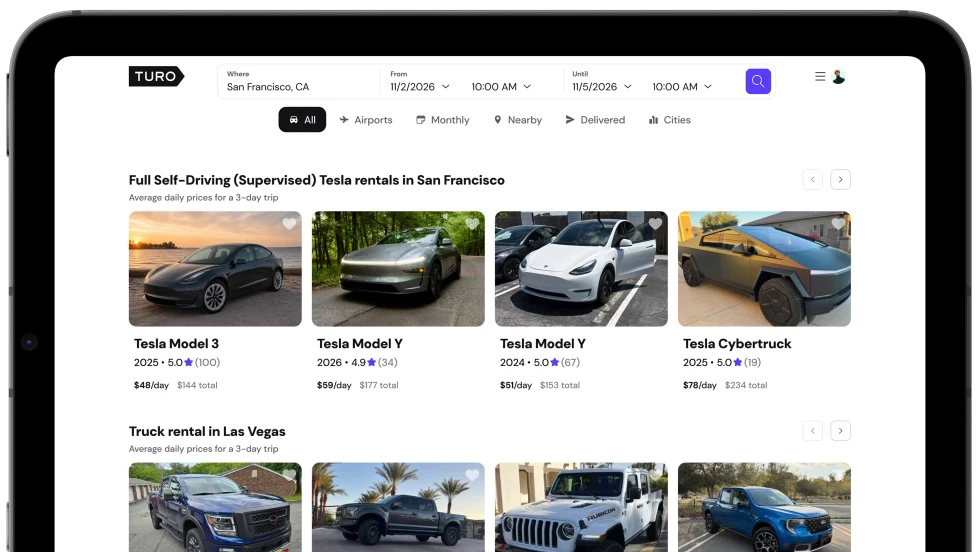
Turo and Tesla Take the Next Step Toward Autonomous Car Rentals
The partnership brings Tesla's Full Self-Driving (Supervised) technology into the rental experience, offering a glimpse of how increasingly automated vehicles could change car rental.
Read More →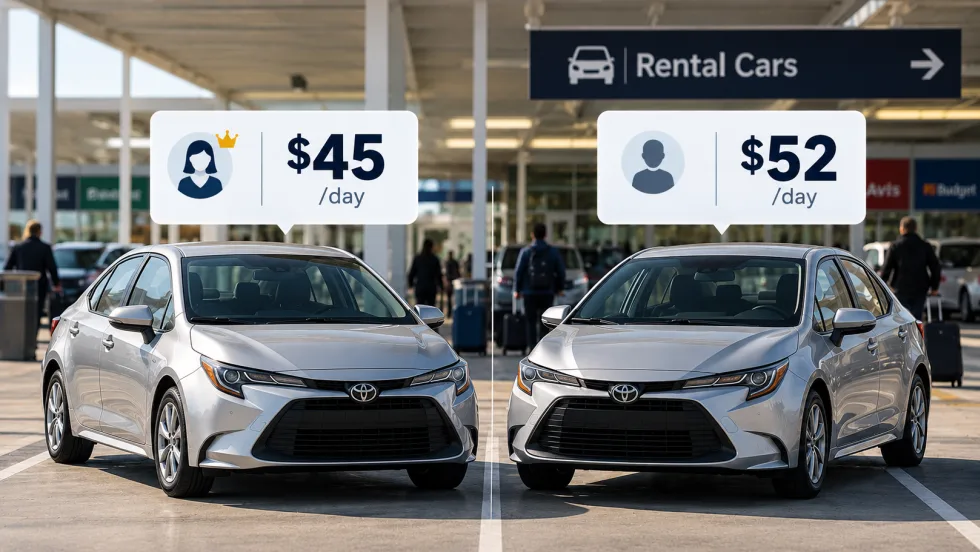
How Rental Operators Can Navigate Personalized Pricing Rules
As regulators scrutinize the use of customer data in pricing, rental operators need to know whether they can explain why one renter pays more than another.
Read More →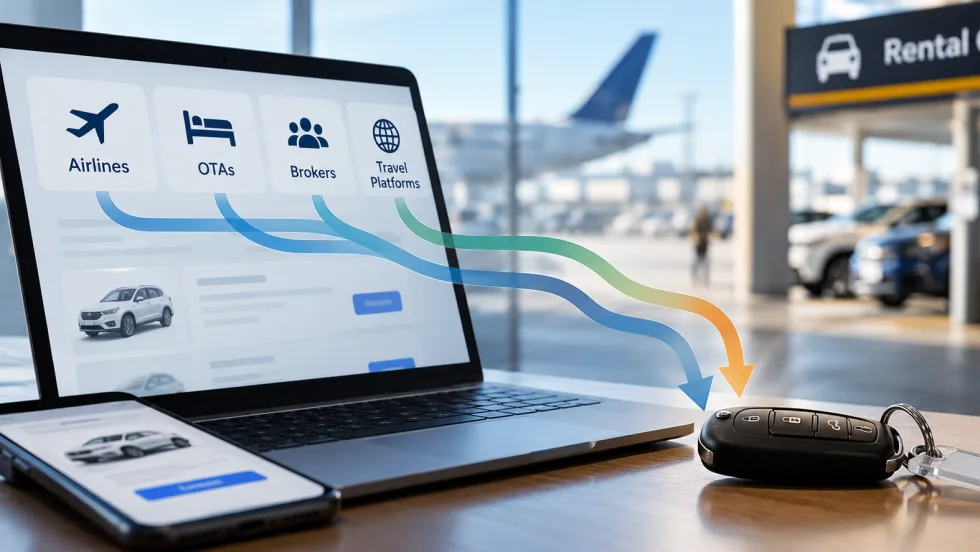
Direct, Broker or Hybrid? How Travel Retailers Source Rental Cars
As travel retailers weigh direct supplier relationships against third-party distribution, rental operators need to understand how those decisions affect their business.
Read More →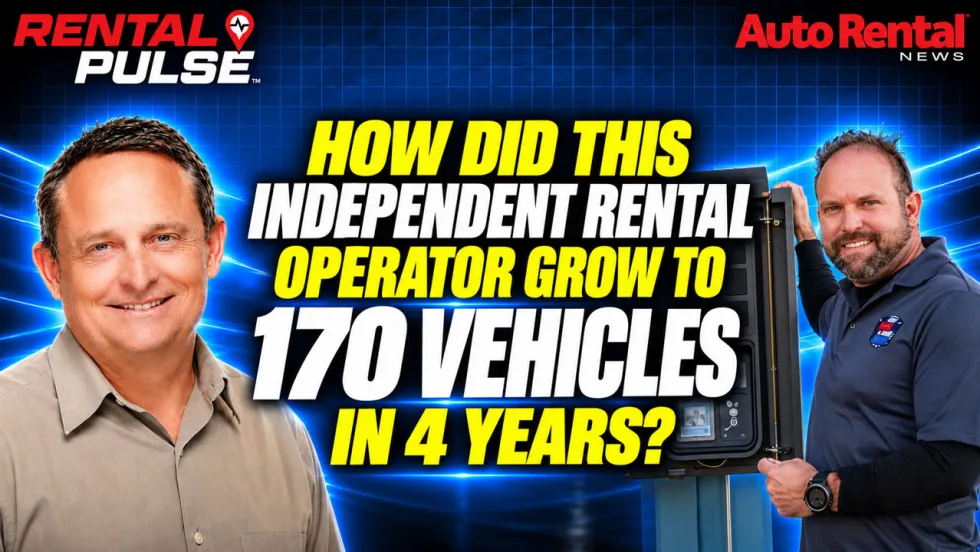
How Did This Independent Rental Operator Grow to 170 Vehicles in 4 Years?
With 170 vehicles across three Kentucky locations, Joel Price relies on an overseas team to handle reservations, payments, and after-hours customer service. It's one part of an unconventional approach to growing an independent rental operation.
Read More →
What Does It Take to Succeed in B2B Rentals?
The fundamentals may be familiar to daily car rental operators, but project-based truck rentals put different demands on the fleet and the business.
Read More →
NPR Builds on International Partnerships to Grow Rental Bookings
With Ana Laborde supporting broker development, NPR Auto Group is tailoring distribution strategies, rate packages, and partnerships to grow international reservations across its three brands.
Read More →
Advantage, Sixt Place Among Top Five in Annual Satisfaction Study
While Enterprise and National retain the top spots in JD Power’s 2026 rankings, the latest customer satisfaction results suggest renters can find competitive service beyond the biggest car rental names.
Read More →
The $100,000 Insurance Trap in Exotic Car Rentals
Exotic rental agencies often rely on customers’ personal auto policies to protect six-figure vehicles. But policy language can dramatically change the coverage for vehicles over $100,000 MSRP.
Read More →