


Americans' Leisure Travel Intentions Trend Slightly Upward
The spike in the perceived affordability of travel appears to be a direct result of many travel suppliers' recent efforts to stimulate short-term demand through the aggressive promotion of discounted fares and rates.
According to the February travelhorizons survey, the U.S. Traveler Sentiment Index rose to 90.2 in February 2009 from 78.2 in October 2008 due to an increase in the perceived “affordability of travel.” The Index is a derivative of six separate statistical measures that have been tracked since March 2007, at which time the Index was pegged at 100.
The spike in the perceived affordability of travel appears to be a direct result of many travel suppliers' recent efforts to stimulate short-term demand through the aggressive promotion of discounted fares and rates. Promotional pricing and related incentives are now offered by suppliers representing practically every segment of the travel industry from airlines to cruise lines, hotel companies, attractions and rental car companies, some of which are featuring rates and fares that are up to 50 percent off the prices being quoted just six months ago. “We are very encouraged that more people are signaling a willingness to travel for leisure purposes,” said Peter C. Yesawich, chairman of Ypartnership. “This is the first increase we have observed in the Index since January 2008, which indicates that the discounts travel providers and destinations are offering are working to attract more travelers, even in this down economy. As it turns out, this is actually a terrific time to travel because some of these great deals are sure to disappear once the industry begins to recover.”
The outlook for business travel remains one of concern to the industry, however. According to the U.S. Travel Association, business travel is now projected to decline by as much as 5.6 percent in 2009 (the original forecast at the end of 2008 was a 3.5 percent decline). The sagging economy, coupled with political demonization of business meetings, events, and incentive travel, has resulted in a significant decline in demand for business travel services.
“While this increase in short-term leisure travel intentions is positive, the overall decline in meetings, events, and incentive travel threatens to erode any net gains for the total travel economy,” said Roger Dow, president and CEO of the U.S. Travel Association. "One of every eight jobs in the United States is linked to travel and tourism, and business travel alone accounts for 2.4 million American jobs. With the federal government projecting that the travel industry will lose nearly 450,000 jobs in 2008-2009, it is critical that policymakers work with us to encourage businesses to engage in legitimate meetings and events. We need businesses and consumers back on the road and in the air to help turn this economy around."
More Rental Operations
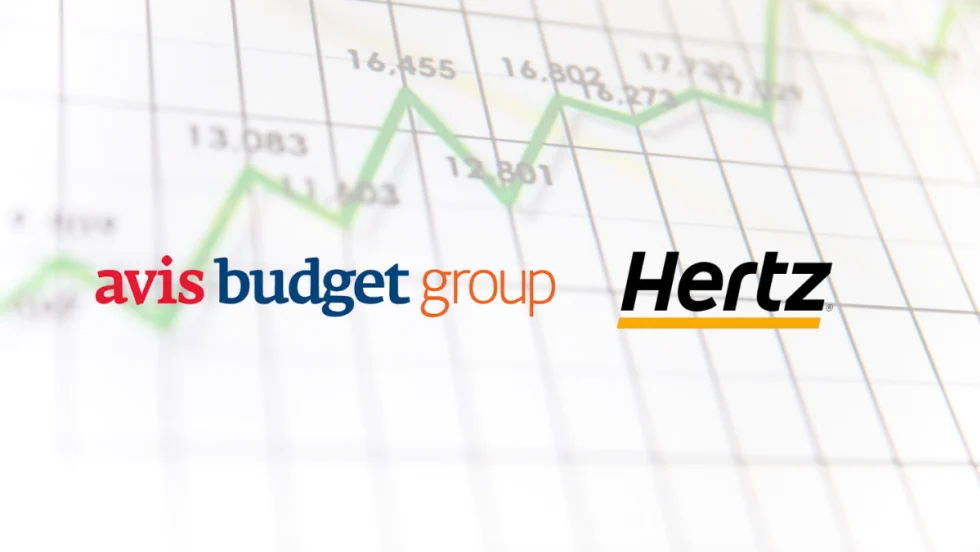
Hertz, Avis: Parsing the Q3 Headwinds and Tailwinds
Third-quarter results from Hertz and Avis show resilient pricing despite softer travel demand. Meanwhile, higher operating costs, recalls, uneven vehicle depreciation, and international weakness continue to put pressure on profits.
Read More →
How Better Cleaning Processes Improve Rental Fleet Efficiency
A consistent approach to vehicle cleaning helps rental operators reduce turnaround delays and return vehicles to service without compromising cleanliness.
Read More →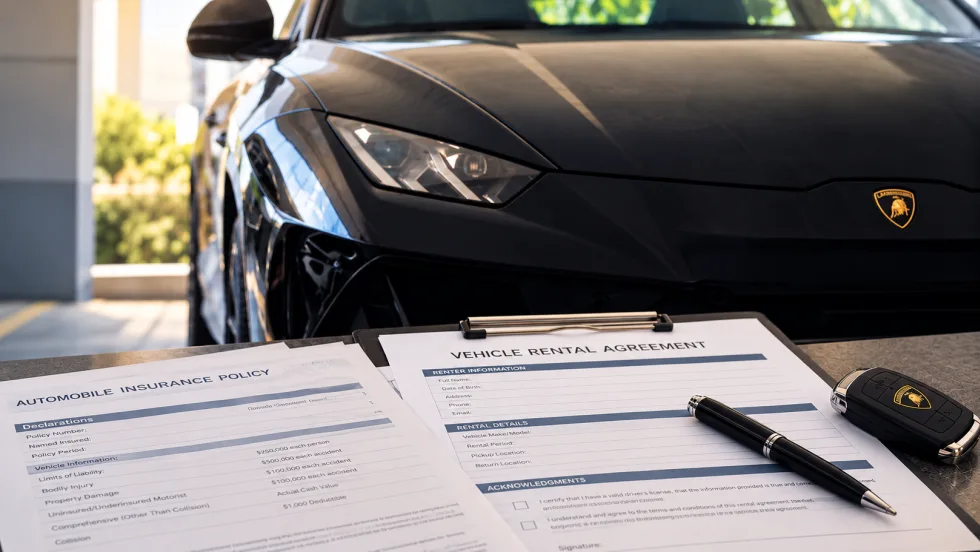
Clean on Paper: Red Flags in Exotic Car Rental Verification
A suspicious $45,000 Lamborghini booking reveals the strengths and limitations of renter verification, from forged insurance documents to coverage gaps and unauthorized drivers. (Part 2 of 3)
Read More →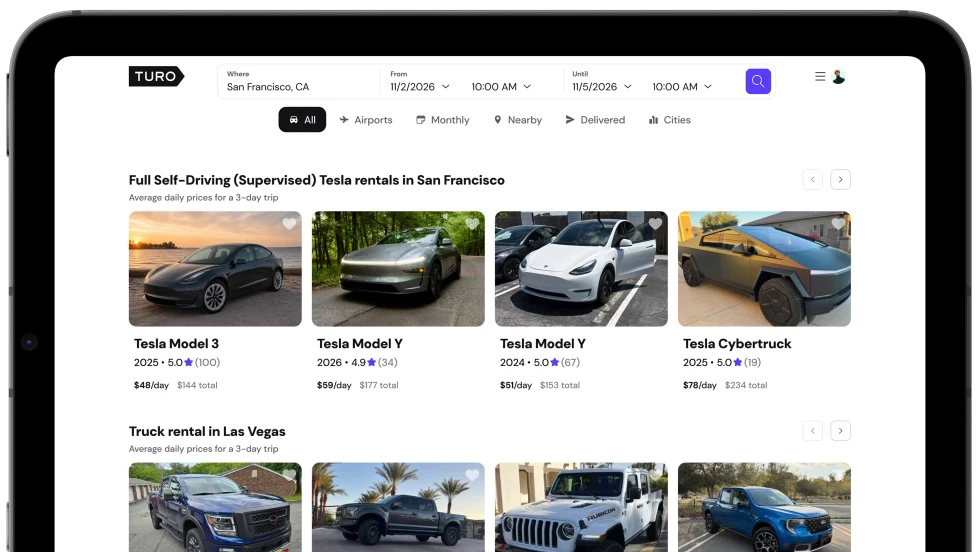
Turo and Tesla Take the Next Step Toward Autonomous Car Rentals
The partnership brings Tesla's Full Self-Driving (Supervised) technology into the rental experience, offering a glimpse of how increasingly automated vehicles could change car rental.
Read More →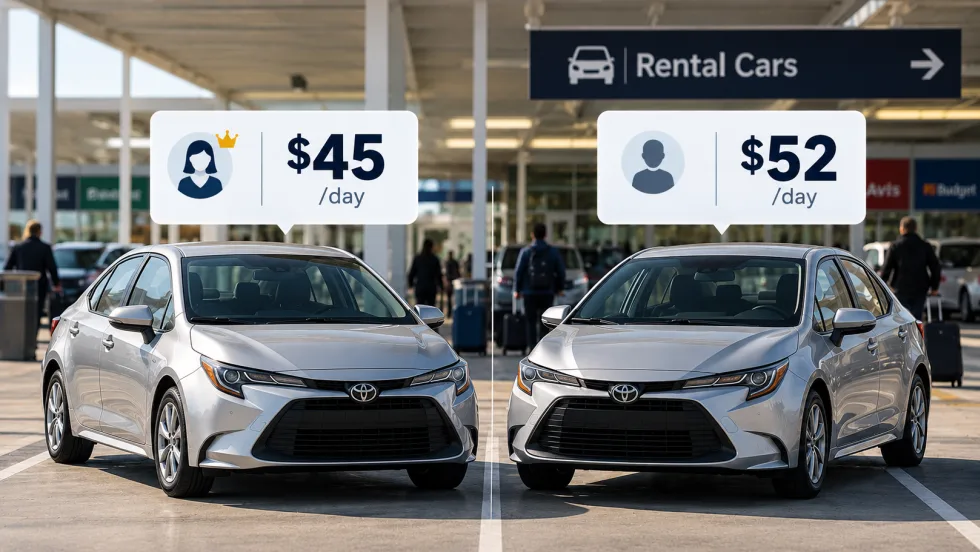
How Rental Operators Can Navigate Personalized Pricing Rules
As regulators scrutinize the use of customer data in pricing, rental operators need to know whether they can explain why one renter pays more than another.
Read More →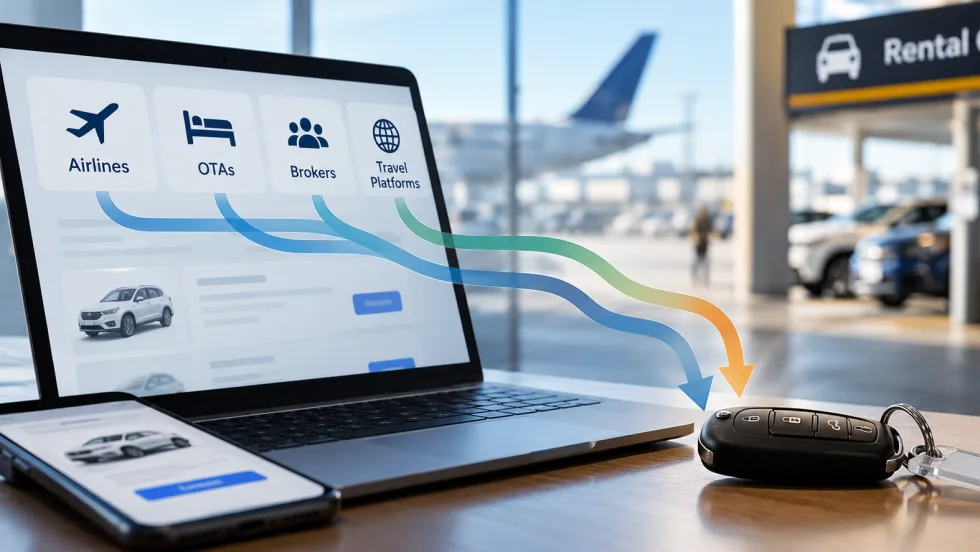
Direct, Broker or Hybrid? How Travel Retailers Source Rental Cars
As travel retailers weigh direct supplier relationships against third-party distribution, rental operators need to understand how those decisions affect their business.
Read More →
How Did This Independent Rental Operator Grow to 170 Vehicles in 4 Years?
With 170 vehicles across three Kentucky locations, Joel Price relies on an overseas team to handle reservations, payments, and after-hours customer service. It's one part of an unconventional approach to growing an independent rental operation.
Read More →
What Does It Take to Succeed in B2B Rentals?
The fundamentals may be familiar to daily car rental operators, but project-based truck rentals put different demands on the fleet and the business.
Read More →
NPR Builds on International Partnerships to Grow Rental Bookings
With Ana Laborde supporting broker development, NPR Auto Group is tailoring distribution strategies, rate packages, and partnerships to grow international reservations across its three brands.
Read More →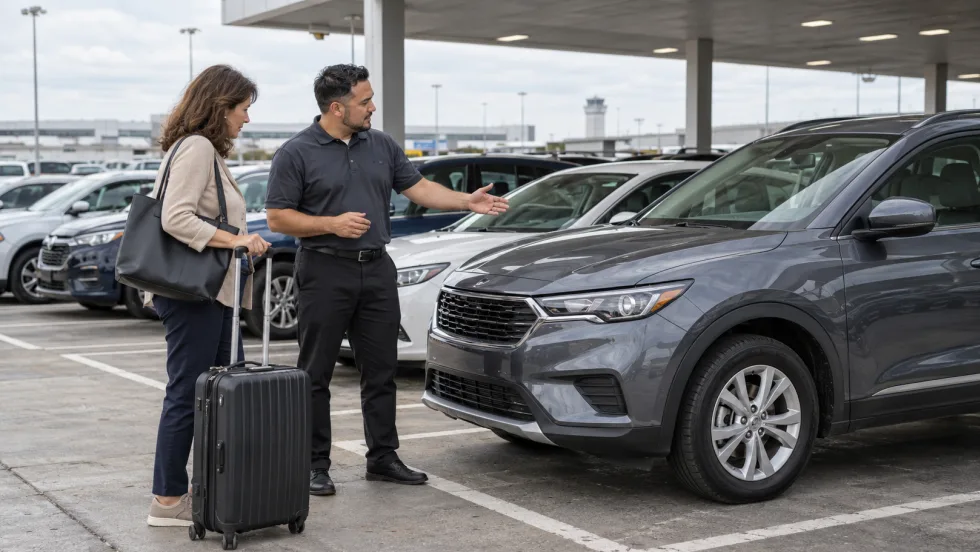
Advantage, Sixt Place Among Top Five in Annual Satisfaction Study
While Enterprise and National retain the top spots in JD Power’s 2026 rankings, the latest customer satisfaction results suggest renters can find competitive service beyond the biggest car rental names.
Read More →