





The AutoIMS Industry View is a compendium of metrics featured in the AutoIMS Sales Scorecard that reflects the entire AutoIMS database — most of the commercial sales volume at wholesale auto auctions in North America. The complete report is available at AutoIMS
AutoIMS 2Q Report Shows Leaps in Converstion Rate, Sale Prices
The company's second quarterly report in a row highlights key aggregate metrics for the auction industry.
August 10, 2021

AutoIMS uses an array of superheroes to promote its quarterly Industry View report.
Graphic: AutoIMS
3 min to read
With two quarters of data accumulated, AutoIMs is gaining more clarity about key industry remarketing and auction trends, according to its latest quarterly report released Aug. 9. One defining mega-trend is low vehicle volume for the foreseeable future.
Among notable increases in the AutoIMS Industry View:
The conversion rate, or percentage of vehicles sold on a day in which they were offered, rose to 72% in the second quarter compared to 58% in 2Q 2020.
The average vehicle sale price was $16,096.20 in the second quarter, compared to $13,089.76 in 2Q 2020.
The average mileage hit 83,546 miles in the second quarter, compared to 71,982 in 2Q 2020.
Major year-over-year differences are beginning to appear, reflecting the unique supply chain challenges faced by the industry alongside the continuing economic recovery.
In addition to the microchip shortage and supply chain issues, the auction industry is seeing a carry over side effect of previous (pre-pandemic) decisions on how many vehicles to make of certain types, said Joe Miller, vice president of client experience at AutoIMS. "Their manufactuing mix is affecting their ability to deliver what consumers want today. New cars ripple out to the used car market and that drives values and demands on used cars," he said.
Three other reasons auctions are seeing lower vehicle volume is rental cars staying in fleets longers, more leased vehicles being bought by the lessor instead of shipped to the wholesale market, and more vehicles sold upstream of auctions, Miller said.
Based on his conversations with AutoIMS clients, Miller said the volume squeeze will remain for about another years, turning up in the second half 2022 and adjusting back to normal levels of a few years ago in 2023.
In the latest report, AutoIMS user activity leveled off after peaking in March 2021, although June saw the biggest number of new users entering the system this year. Key clients continue to use this time of lower volume to focus on projects including workflow enhancements, integration updates, scorecard revisions, system conversions, and more, laying the groundwork for more efficiency when volumes bounce back
Insights on the Repossession Market
Using the Sales Scorecard, Auto IMS analyzed a cross-section of large auto lenders, focusing on the limited repossession volume it saw in the first half of the year.
Here are some key findings from that market segment with comparisons to the entire database (all segments, as captured in the remainder of the Industry View):
Average sale price: $9,185, almost $6,000 less than the overall average
Average mileage: 104,705, more than 20,000 miles higher than the overall average
Average model year: 2013.9, a full year older than the full sample.
Average auction charges: $366, about $22 less spent per unit than the overall.
Average days to sell: 43.7,16.5 days longer sale cycle than the overall average.
Damage estimate (non-salvage volume): $2,768, 58% higher than the overall average.
Average vehicle grade (non-salvage volume): 2.6
Conversion rate: 79.8% Higher than the overall average by nearly eight points.
If conversion rate is any indication, demand is high for the older, less-expensive repo segment. It stands to reason that with more involved CRs, fewer of these cars are selling in online-only channels, leading to a longer stay at auction.
Miller also attributed lower repossession supply to lenders that have adopted self-imposed curbs and leniency for borrowers, legally imposed moratoriums on repossessions, and fewer vehicles coming back to market.
Originally posted on Vehicle Remarketing
More Remarketing
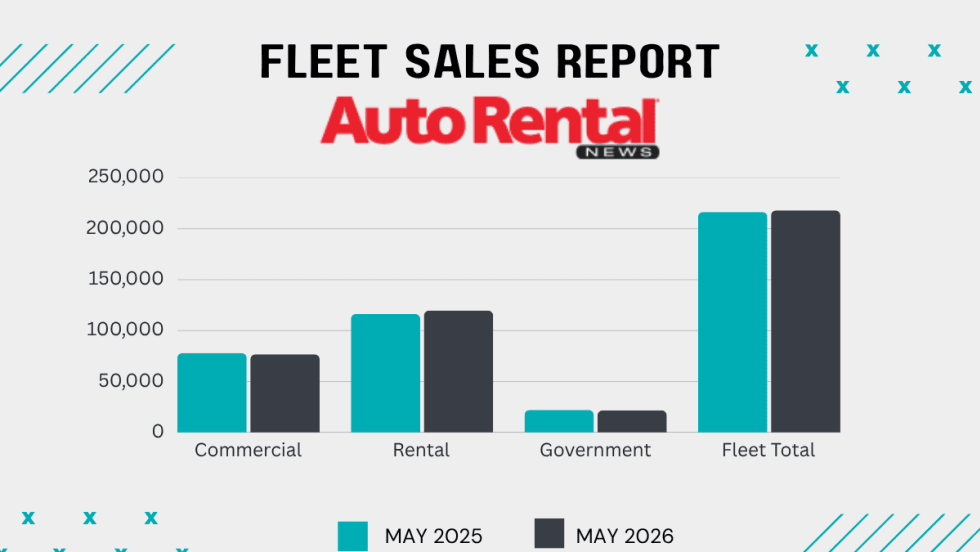
Rental Fleet Sales Skating Just Above 2025 Levels
The U.S. economy's continued growth and positive business investment are creating a favorable environment for fleet vehicle demand.
Read More →
Cross-Pressures, Evolving Trends Drive 2026 Rental Car Industry
A combination of cautious economic behavior, shifts in the rental vehicle market, and technological influences are shaping car rental operator decisions.
Read More →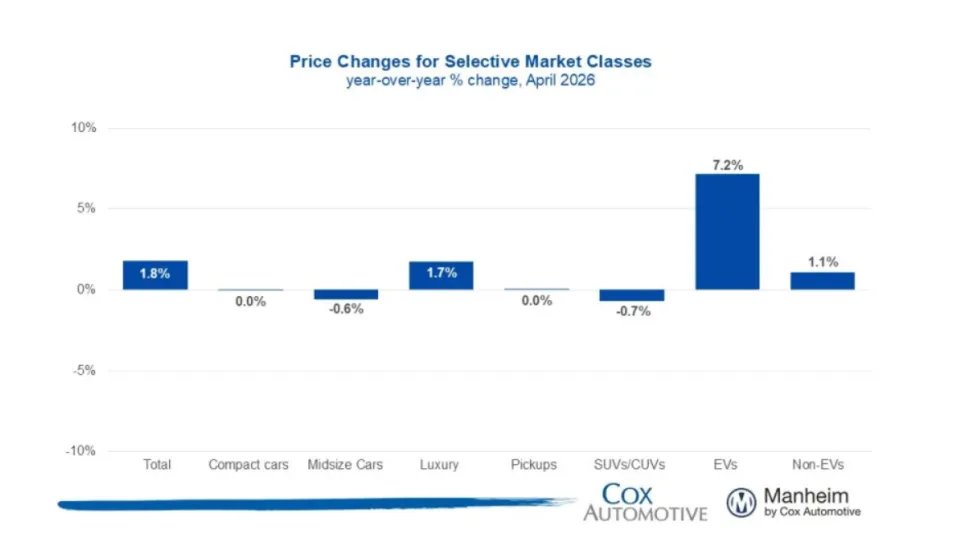
Wholesale Used Vehicle Prices Slightly Up In April
The Iranian conflict and rising gas prices inject much uncertainty into the future wholesale used vehicle markets, as higher gas prices soak up spendable income from vehicle buyers.
Read More →
Surprice Opens Two Rental Branches In Japan
The launch highlights the global car rental operation’s growing presence in Asia.
Read More →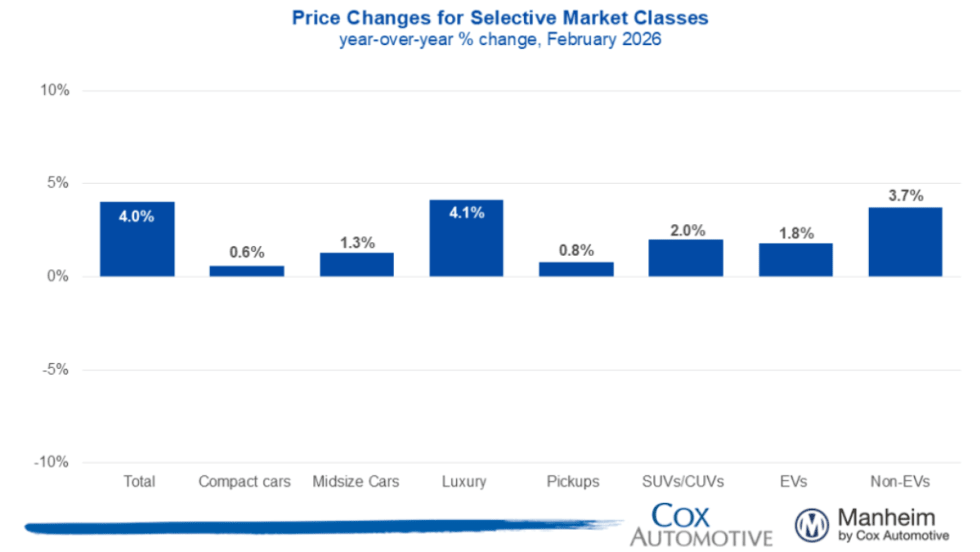
Wholesale Used Vehicle Prices Up In February
Solid demand at Manheim auctions with higher sales conversion rates indicate an appetite from dealers to buy.
Read More →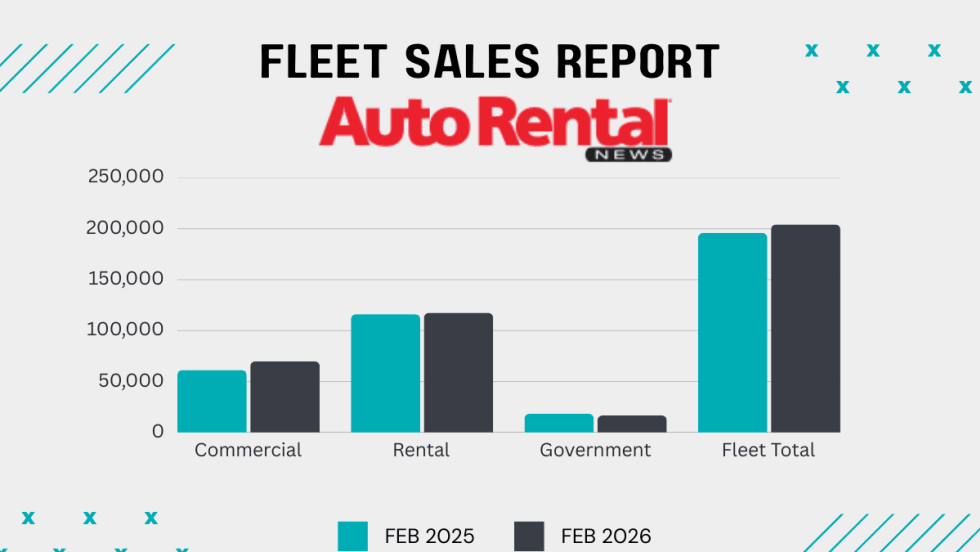
Rental Fleet Sales Slow In February Ending A Strong Streak
Commercial fleets posted the most gains, sustaining increases in monthly and year-to-date fleet sales
Read More →
Avis Budget Group Reports Near $1 Billion Loss Tied To 2025 EV Fleet Write-Down
Following Hertz, the company is the second global car rental conglomerate to sustain sizable losses due to lower customer demand and usage of electric rental cars.
Read More →
2025 Rental Vehicle Remarketing Summary And Outlook
The year brought modest and flatter results across wholesale values, total off-rental supply, and rental risk units.
Read More →
Auctions Record Highest Vehicle Sales Since 2019
2025 figures show a steady recovery in wholesale vehicle activity this decade.
Read More →
DriveItAway Holdings, Free2move Launch Operations In Nine Cities
The co-branded program with Stellantis’ mobility division scales up leasing and financing options nationwide with more cities to come online in 2026.
Read More →