




Related: The Brazilian Car Rental Market is Booming — In Some Sectors
Brazilian Car Rental Industry Grows Volume in 2019
Brazil’s car rental industry grew to a record number of daily rentals in 2019, driven by rentals to drivers for transportation network companies (TNCs).
March 21, 2020
The association attributes this growth in daily rates to the increase in demand from people renting vehicles for longer periods (instead of buying them) and the growing number of rentals for drivers of transportation companies.
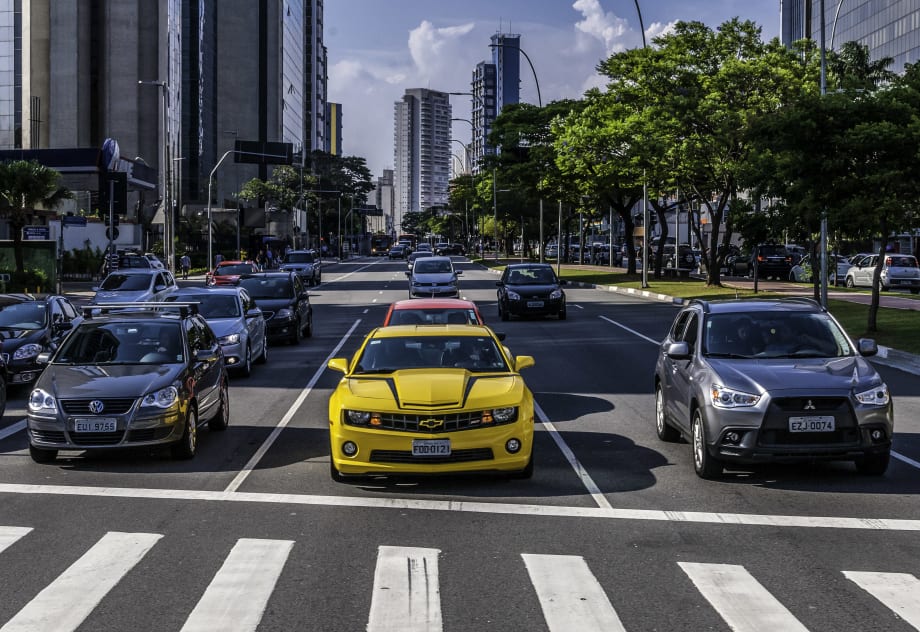
Photo via GoodFreePhotos.
3 min to read
ABLA, the Brazilian car rental association, announced the results of its annual survey of Brazil’s car rental industry and found a growth in the number of daily rentals, from 43 million in 2018 to 49.6 million last year.
The association attributes this growth in daily rates to the increase in demand from people renting vehicles for longer periods (instead of buying them) and the growing number of rentals for drivers of transportation companies.
"This annual survey confirms that the Brazilian, more and more, thinks twice before purchasing new vehicles," said Paulo Miguel Jr., president of the National Council of ABLA. "Retail sales have shrunk over the past 10 years, varying negatively from 2.8 million to 1.5 million cars."
For Miguel, the new vehicle rental statistics also help to confirm this change in consumer behavior.
"Until then, the change from the desire to have a car to the interest in paying only for its use had been observed only as a market trend," he said. "It has become clear that the culture of paying for use when you need it instead of spending much more to own the property is starting to happen."
In addition to long-term rentals for individuals, ABLA attributes the 49.6 million daily rates sold in 2019 to the growth in demand from drivers for transportation network companies (TNCs) such as Uber or competitor EasyTaxi.
In an estimate by ABLA, of the total fleet of 997,416 vehicles from the rental companies, between 150,000 and 200,000 vehicles are rented to TNC drivers.
“Making the business more sustainable has become a major concern in the rental market,” said Miguel. "Greater demand, at a level of intense use such as that of application drivers, implies the need to renew the fleet in shorter periods but never before 12 months."
At the national level, the number of direct jobs in Brazil’s rental sector reached 75,104 jobs, an increase of 3,497 more jobs than in 2018, according to ABLA.
Brazil’s total rental fleet reached 997,416 vehicles, an increase of 171,085 units compared to the total fleet registered at the end of 2018 (826,331). The number of rental companies rose from 8,033 in 2018 to 10,812 by the end of 2019.
As for the annual gross revenue of car rental companies, the sector reached US$4.3b (21.8 billion reais) in 2019, while net sales were US$3.75b (R $19 billion). In 2018, the sector's gross sales had been US$3.2b (R $15.3 billion), according to ABLA.
For the fourth consecutive year, General Motors was the leader in the ranking of cars and light commercial vehicles registered by rental companies, with a 24% share – equivalent to 130,424 units sold to the rental sector. The other top automakers by sales to the rental sector included FCA (19.9%), Volkswagen (19.5%), Renault (13.9%) and Ford (12.7%) .
More Rental Operations

How Did This Independent Rental Operator Grow to 170 Vehicles in 4 Years?
With 170 vehicles across three Kentucky locations, Joel Price relies on an overseas team to handle reservations, payments, and after-hours customer service. It's one part of an unconventional approach to growing an independent rental operation.
Read More →
What Does It Take to Succeed in B2B Rentals?
The fundamentals may be familiar to daily car rental operators, but project-based truck rentals put different demands on the fleet and the business.
Read More →
NPR Builds on International Partnerships to Grow Rental Bookings
With Ana Laborde supporting broker development, NPR Auto Group is tailoring distribution strategies, rate packages, and partnerships to grow international reservations across its three brands.
Read More →
Advantage, Sixt Place Among Top Five in Annual Satisfaction Study
While Enterprise and National retain the top spots in JD Power’s 2026 rankings, the latest customer satisfaction results suggest renters can find competitive service beyond the biggest car rental names.
Read More →
The $100,000 Insurance Trap in Exotic Car Rentals
Exotic rental agencies often rely on customers’ personal auto policies to protect six-figure vehicles. But policy language can dramatically change the coverage for vehicles over $100,000 MSRP.
Read More →
The Booking Is Confirmed, But Is Your Customer Ready to Drive?
For international renters, a confirmed reservation doesn’t always mean they’re eligible to drive. Earlier checks can help operators catch documentation and payment issues before the customer reaches the counter.
Read More →
ICRS 2027 Opens Call for Papers
The International Car Rental Show seeks session proposals on the business, operational, and technology issues facing car rental operators. Submissions are due Jan. 15.
Read More →
Turo to Launch Vehicle Delivery Service
Turo Delivered will let travelers search for vehicles that hosts can deliver directly to hotels, homes, airports, train stations, and other locations.
Read More →
Palm Beach Airport Code Change Creates Car Rental Distribution Gap
A test of rental searches under the old PBI and new DJT airport codes returned largely different sets of brands and vehicles, highlighting a potential distribution problem for rental operators.
Read More →
U-Save Continues Dominican Republic Expansion with Launch in Punta Cana
The new franchise location builds on U-Save’s existing Santo Domingo operation and will begin taking reservations for October 2026.
Read More →