




Calif. Hearing to Address Driverless Cars
The state’s Department of Motor Vehicles is taking steps to set requirements for the testing and deployment of vehicles that lack a human driver.
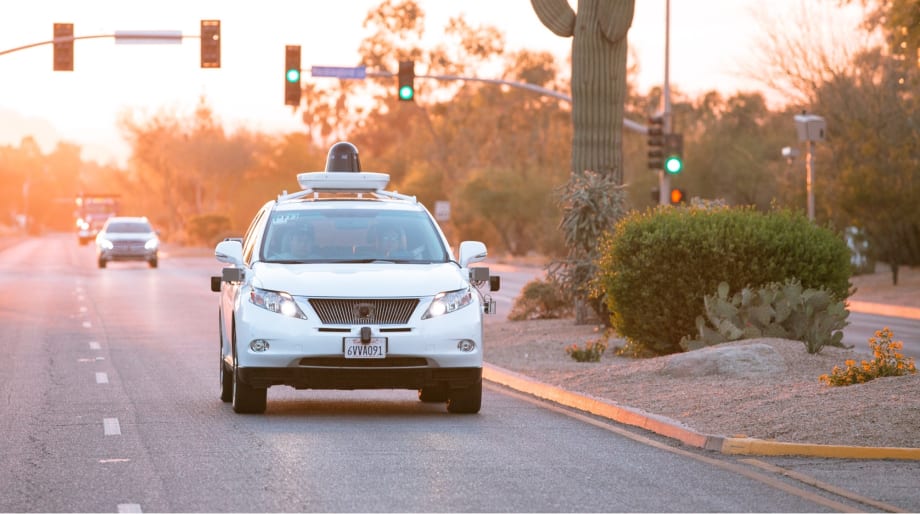
California law requires the presence of a human driver during testing of autonomous vehicles, but the state is preparing to change that policy. Photo courtesy of Waymo (previously known as the Google self-driving car project).
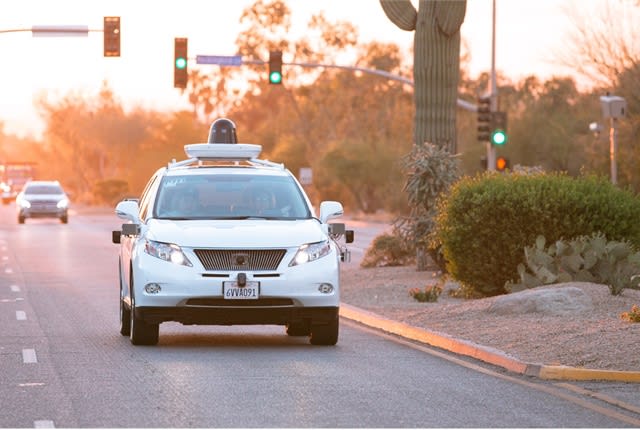
California law requires the presence of a human driver during testing of autonomous vehicles, but the state is preparing to change that policy. Photo courtesy of Waymo (previously known as the Google self-driving car project).
The California Department of Motor Vehicles has scheduled a public hearing for April 25 to alow stakeholders to discuss proposed regulations for testing and deploying autonomous vehicles that lack a human driver.
The state’s draft regulations seek to establish a framework for testing autonomous vehicles without a driver; recognize the authority of the National Highway Traffic Safety Administration (NHTSA) to develop and enforce federal safety and performance standards for such vehicles; and set requirements that a manufacturer must meet to sell or lease such vehicles outside of a testing program. Additionally, the proposed rules address such issues as vehicle advertising, driver licensing and vehicle registration.
The hearing will be held at the California Department of Water Resources Auditorium in Sacramento. Written comments may be submitted to LADRegulations@dmv.ca.gov until April 24.
“These rules expand our existing autonomous vehicle testing program to include testing vehicles where no driver is present,” said California DMV Director Jean Shiomoto. “This is the next step in eventually allowing driverless autonomous vehicles on California roadways.”
Currently, 27 manufacturers hold an autonomous vehicle test permit in California. But they must have a human driver onboard poised to intervene and take control of the vehicle when needed. Some future self-driving cars operating in the state won’t even be equipped with a steering wheel and pedals for such human intervention.
The new rules will also position California to better compete with states that already permit the testing of driverless cars, including Texas and Michigan.
Originally posted on Automotive Fleet
More Rental Operations

The Booking Is Confirmed, But Is Your Customer Ready to Drive?
For international renters, a confirmed reservation doesn’t always mean they’re eligible to drive. Earlier checks can help operators catch documentation and payment issues before the customer reaches the counter.
Read More →
ICRS 2027 Opens Call for Papers
The International Car Rental Show seeks session proposals on the business, operational, and technology issues facing car rental operators. Submissions are due Jan. 15.
Read More →
Turo to Launch Vehicle Delivery Service
Turo Delivered will let travelers search for vehicles that hosts can deliver directly to hotels, homes, airports, train stations, and other locations.
Read More →
Palm Beach Airport Code Change Creates Car Rental Distribution Gap
A test of rental searches under the old PBI and new DJT airport codes returned largely different sets of brands and vehicles, highlighting a potential distribution problem for rental operators.
Read More →
U-Save Continues Dominican Republic Expansion with Launch in Punta Cana
The new franchise location builds on U-Save’s existing Santo Domingo operation and will begin taking reservations for October 2026.
Read More →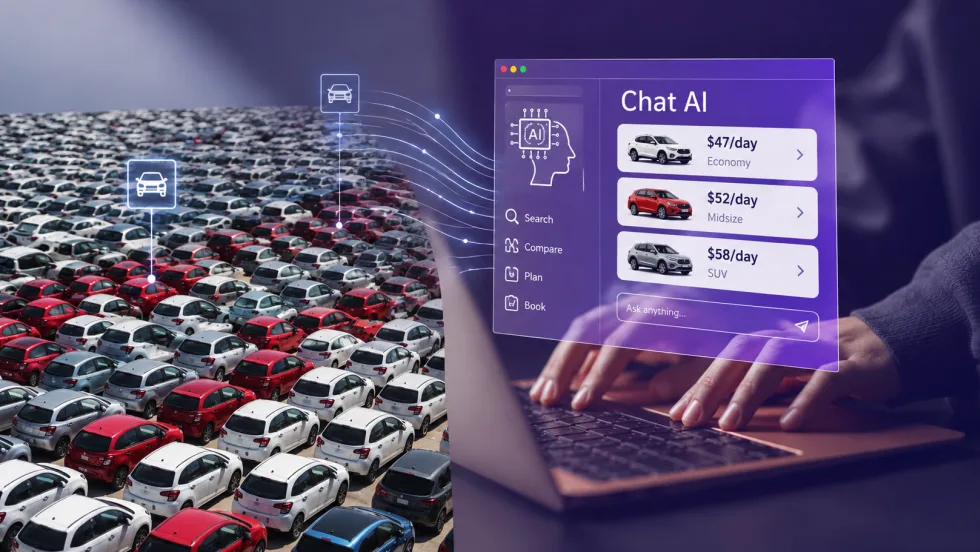
When AI Books the Rental Car, Who Controls the Sale?
As AI moves from comparing rental rates to completing transactions, operators need to understand how travelers find, interpret, rank, and ultimately see their offers. (Part 2 of 2.)
Read More →
European Booked Car Rental Rates Fell 5%, Results Varied by Country
Ireland, Cyprus, and the United Kingdom saw steep declines, while booked rates rose in Poland and Hungary.
Read More →
Is It Time to Rethink Rental Categories?
As traditional economy and compact cars disappear from the market, longtime rental operator Mike DeLorenzo asks whether the industry’s familiar vehicle categories still make sense — and what operators need to rethink along with them.
Read More →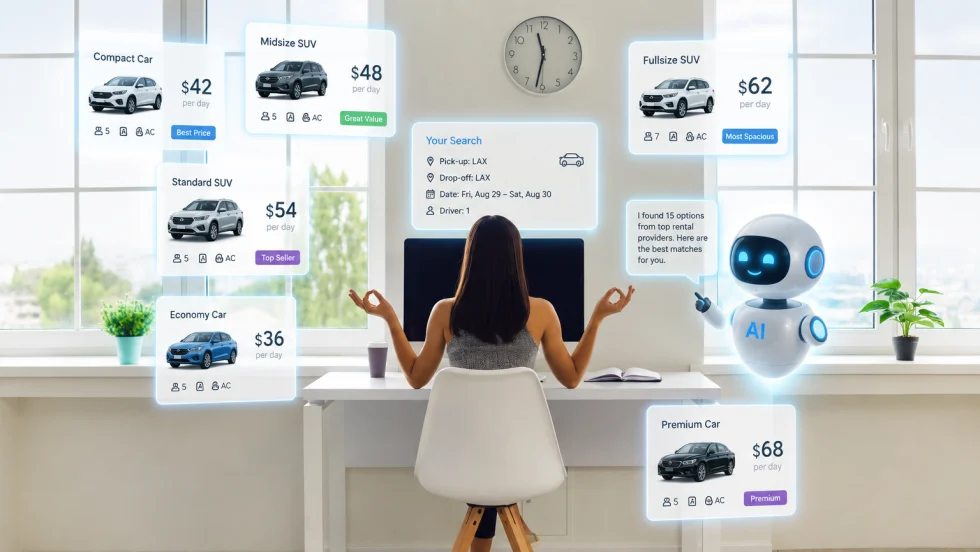
Who Owns the Rate? AI Is Creating a New Distribution Problem for Car Rental
Generative Engine Optimization asks whether AI can find a rental company, but operators also need to know whether the agent inspected enough of the market, compared equivalent offers, and presented a rate the traveler can actually book. (Part 1 of 2)
Read More →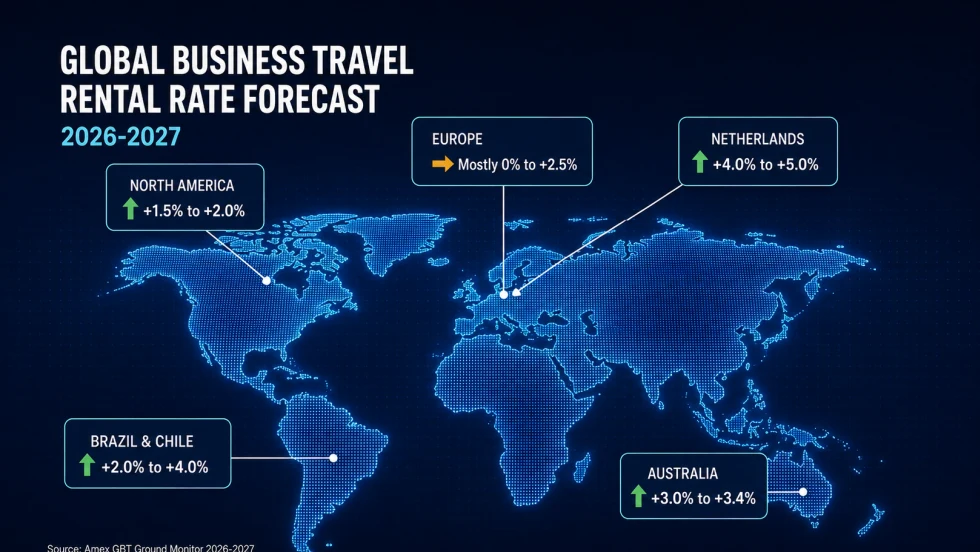
U.S. Business Travel Car Rental Rates Forecast to Rise Up to 2%
Improved fleet supply should limit pricing gains in 2026-27, while insurance, repair costs, and softer residual values continue to pressure rental operations, according to Amex GBT.
Read More →