




Coalition Speaks Out on Behalf of Michigan Car Rental Customers
The Coalition Against Discriminatory Care Rental Excise Taxes are opposing a $2.50 car rental excise tax currently pending in the Michigan legislature. Furthermore, reports show that more than $7.5 billion in car rental excise taxes has been collected since 1990.
On July 21, the Coalition Against Discriminatory Car Rental Excise Taxes—which includes car rental and car-sharing companies as well as travel industry, consumer, limousine and truck leasing organizations—announced its opposition to an $2.50 car rental excise tax currently pending in the Michigan Legislature.
This new tax, proposed to help underwrite the Michigan Promotion Fund, is just one several that the Coalition has recently opposed. Last month, the Coalition opposed Wisconsin’s recently enacted car rental excise tax.
Journalist and consumer advocate Christopher Elliott expressed similar doubts about the Wisconsin tax on his Web site: “...a fly-by-night approach to raising taxes on drivers, many of whom can't vote and may not benefit from the mass transit projects, is the wrong way. This issue deserves its own debate, far removed from the chaos of Wisconsin's budget bill.”
In addition, the Coalition—along with the New Jersey Business and Industry Association—has publicly opposed a pending New Jersey car rental excise tax earmarked for local economic development projects. The new tax will add another surcharge on top of the existing state car rental tax and the standard sales tax on car rentals.
“This type of arbitrary tax singles out just one group of consumers to fund otherwise worthwhile projects or programs that benefit our communities overall,” stated Ray Wagner, vice president of Government and Legislative Affairs for Alamo Rent A Car, Enterprise Rent-A Car and National Car Rental. “That's why our coalition continues to speak out on behalf of car rental customers who are unfairly targeted by zealous legislators.”
The number of U.S. car rental excise taxes has doubled during the past decade, with more than 100 currently in place in 43 states and the District of Columbia—and more than $7.5 billion collected since 1990. Moreover, the National Consumers League has noted that car rental excise taxes are regressive because they fall disproportionately on local low-income residents, many of whom must rent cars because they do not own a vehicle. This is particularly true for Enterprise Rent-A-Car customers—nearly one in four earns less than $40,000 annually; one in 10 earns less than $30,000; and one in 20 earns less than $20,000.
“Zeroing in on our customers artificially raises the cost of renting a vehicle in this challenging economy, which in turn impacts auto manufacturers and inflates insurance rates,” explained Wagner. “These excise taxes are harmful for consumers as well as businesses.”
The National Business Travel Association (NBTA) agrees that car rental excise taxes are fundamentally unfair. “Our research indicates that the majority of NBTA member companies spend at least half of their car rental budgets in their home markets,” stated NBTA President and Chief Executive Officer Kevin Maguire.
The Coalition has publicly acknowledged that local government authority not only is the cornerstone of U.S. democracy, but that local leaders obviously are struggling to fund many worthwhile programs, including the Michigan Promotion Fund. However, as municipalities, counties and states carry out their critical role in protecting consumer and citizen rights, it is important they extend that protection to all constituents, including car rental customers.
In fact, public finance economist Kim Rueben wrote the following last summer to the Philadelphia Daily News: “...more than half of all cars rented in the U.S. are rented locally, either for personal or business use; thus most rental excise taxes are paid by local taxpayers. So, Philadelphia's so-called 'tourist tax' has been paid largely by local consumers and businesses.
“But there’s a larger issue here: Regardless of who pays them, such excise taxes represent a discriminatory, arbitrary and inequitable policy, whether the car rental is for an hour, a day or a week... Like other excise taxes, they also fall disproportionately on those who can least afford to pay them—including local residents who rent cars on weekends at discounted rates because they simply cannot afford to own a car. In short, all car rental taxes unfairly burden one group of consumers, often to pay for projects and programs that have no direct connection to renting a car.”
More Rental Operations

Brazilian Executive MBA Targets Growing Domestic Rental Car Industry
Rental car companies face a unique combination of challenges that are rarely addressed in traditional programs.
Read More →
Green Motion Expands Into Japan With Master Franchise Agreement
Japan's tourism industry, business travel market, and demand for vehicle rental services are reasons the country represents an important market for the company.
Read More →
ACRA Carrying Fuller Industry Load As AI and EVs Lurk In Future
The leading car rental professional business group details an active legislative, regulatory, and macro-trends agenda affecting car rental operators.
Read More →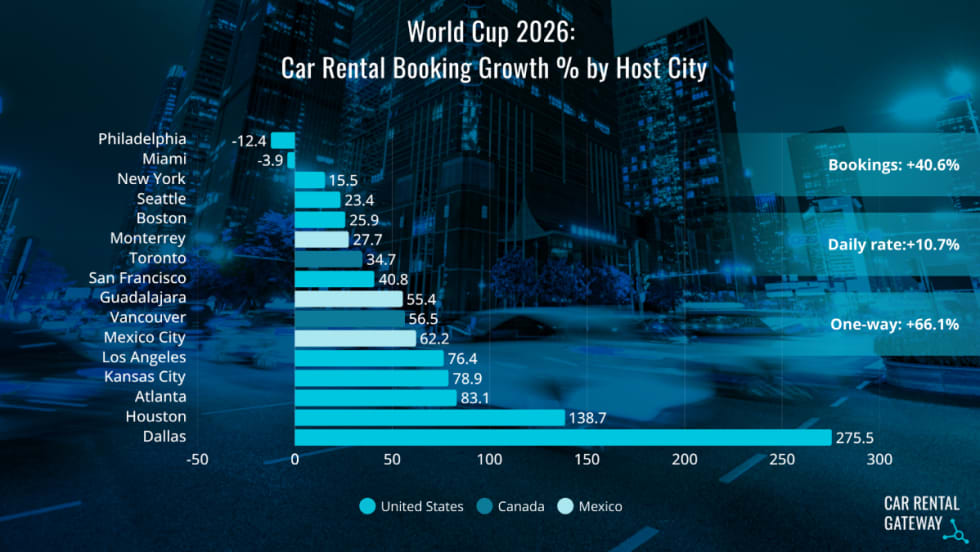
World Cup Travel Data Shows Longer Car Rentals and More One-Ways
A recent analysis of FIFA bookings found varied demand patterns that influenced rental car pricing.
Read More →
A Leveling Force: AI Morphs Into A Rental Car Profit-Seeker
Revenue managers can’t match the emerging AI tools gobbling lots of data that could counter the competitive race to the rate bottom.
Read More →
Stop Losing Money On Rental Tolls
Regardless of your rental fleet size and structure, fleet managers, executives, and owners can gain valuable insights into an often-overlooked area of fleet operations.
Read More →
Rethink The Future To Avert A Race To The Bottom
Rental car operators heard a sobering industry message and a stern challenge at the close of the International Car Rental Show.
Read More →
DriveItAway, Free2move Plan Shared Fleet Program for Independent Rental Fleet Operators
Vehicles would be placed with participating rental operations to support car renter demand and provide additional fleet capacity.
Read More →
Stellantis Recalls 1.3 Million Jeep Vehicles Worldwide Over Fire Risk
Stellantis is recalling more than 1.3 million Jeep Wrangler and Gladiator models worldwide over a fire risk linked to power steering pump wiring.
Read More →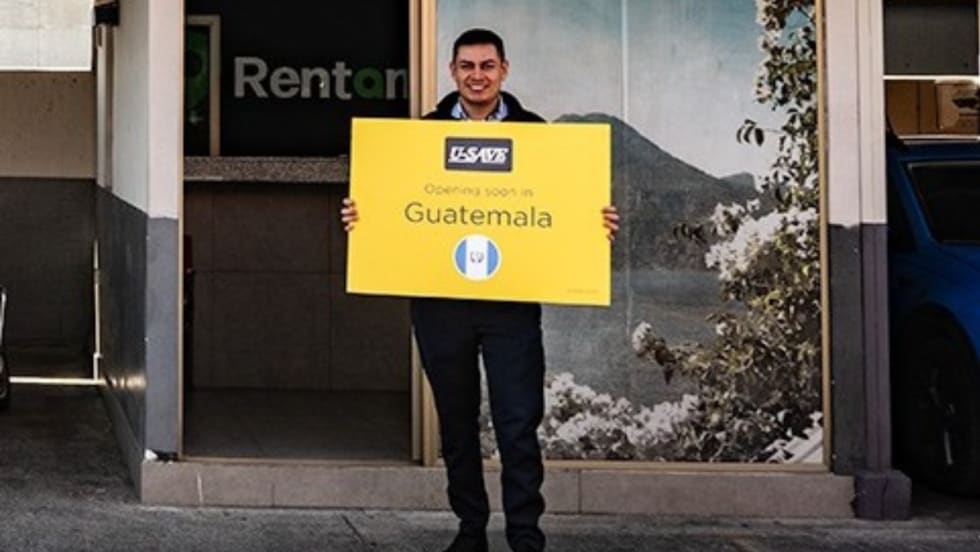
Green Motion And U-Save Open Rental Operations In Guatemala
The brands will open their first rental car outlets in the country at La Aurora International Airport in Guatemala City.
Read More →