




Enterprise Holdings Pledges to Reduce Energy Use, Energy Costs by 20 Percent Over Next Five Years
The car rental company’s “20/20 Vision” sustainability initiative will focus on reducing electricity, natural gas and water consumption across its Alamo, Enterprise and National Car Rental Brands.
Enterprise Holdings announced June 3 its commitment to reduce both energy use and energy costs by 20 percent over the next five years through a new sustainability initiative called, "20/20 Vision."
Through an upfront investment in energy-saving technologies and conservation practices, the company expects to decrease the environmental impact of neighborhood car rental branches and airport facilities it owns and operates through its regional subsidiaries. The company expects to reduce energy costs by $50 million.
"The 20/20 Vision aligns the interests of our customers, employees and partners with the long-term interests of our business by expanding our environmental commitment through every level of our operations," said Lee Broughton, director of sustainability for Enterprise Holdings, which operates the Alamo Rent A Car, Enterprise Rent-A-Car, and National Car Rental brands. "Proactively reducing our energy use and natural resource consumption not only decreases our impact on the environment, but also will result in cost savings to ensure the sustainability of our business."
The 20/20 Vision was developed based on recommendations by Enterprise Holdings' Chairman's Task Force on Sustainability - a cross-section of the company's departmental leadership - that is leading an assessment of the company's operations to identify opportunities to make significant, positive changes.
Using these recommendations, operations managers throughout the company are developing energy- and cost-reduction goals. Initial changes - such as using more energy-efficient lighting and switching to energy-saving software tools - at the company's headquarters in St. Louis and across more than 7,600 neighborhood and airport locations will lead to a dramatic reduction in the company's energy use and costs.
"We are challenging our managers to look for smart, innovative ways to reduce our energy use and create systems for managing our energy consumption going forward. Investing in efficient technologies and conservation practices is critical in today's marketplace, where we are seeing more and more evidence of consumers preferring to do business with socially responsible companies," added Broughton.
Enterprise Holdings began piloting the 20/20 Vision in select markets in 2009. Based on the success of those pilots, the company is now rolling out the program companywide - nationally and internationally, across the Alamo, Enterprise and National brands.
"Since we began formally focusing on sustainability issues several years ago, we've built a robust platform of initiatives to reduce our environmental impact and improve the communities in which we operate. With the 20/20 Vision, we continue to look forward toward an even more sustainable future - through the next five years and beyond," said Broughton.
This announcement marks the next evolution of the Enterprise Holdings' environmental platform that includes initiatives such as a customer carbon offset program; a pledge to plant 50 million trees over the next 50 years; an unparalleled fleet of fuel-efficient vehicles, FlexFuel vehicles, and gas/electric hybrids; the use of biodiesel fuel in its Alamo, Enterprise and National airport shuttle buses; and a commitment to alternative fuels research.
For more information about Enterprise Holdings' full environmental platform, visit www.keystogreen.com.
More Rental Operations
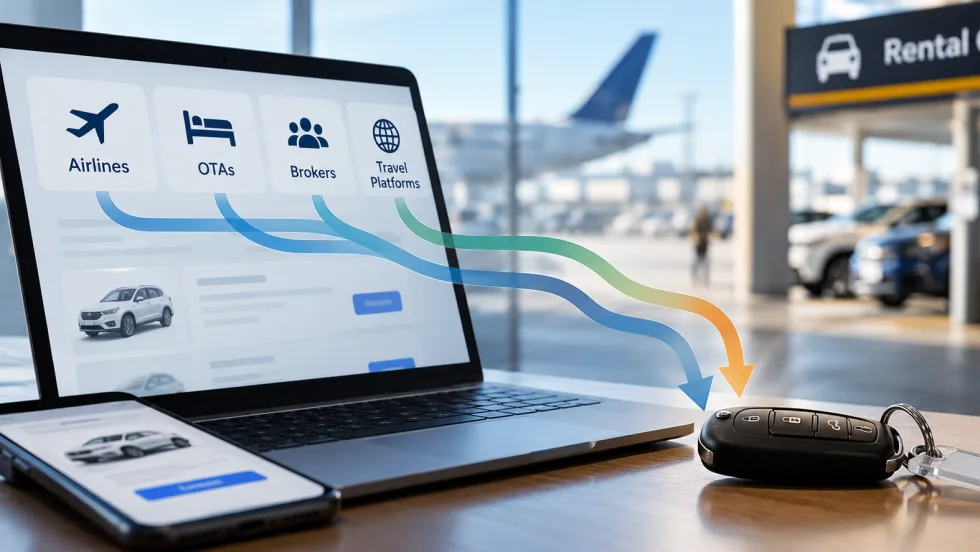
Direct, Broker or Hybrid? How Travel Retailers Source Rental Cars
As travel retailers weigh direct supplier relationships against third-party distribution, rental operators need to understand how those decisions affect their business.
Read More →
How Did This Independent Rental Operator Grow to 170 Vehicles in 4 Years?
With 170 vehicles across three Kentucky locations, Joel Price relies on an overseas team to handle reservations, payments, and after-hours customer service. It's one part of an unconventional approach to growing an independent rental operation.
Read More →
What Does It Take to Succeed in B2B Rentals?
The fundamentals may be familiar to daily car rental operators, but project-based truck rentals put different demands on the fleet and the business.
Read More →
NPR Builds on International Partnerships to Grow Rental Bookings
With Ana Laborde supporting broker development, NPR Auto Group is tailoring distribution strategies, rate packages, and partnerships to grow international reservations across its three brands.
Read More →
Advantage, Sixt Place Among Top Five in Annual Satisfaction Study
While Enterprise and National retain the top spots in JD Power’s 2026 rankings, the latest customer satisfaction results suggest renters can find competitive service beyond the biggest car rental names.
Read More →
The $100,000 Insurance Trap in Exotic Car Rentals
Exotic rental agencies often rely on customers’ personal auto policies to protect six-figure vehicles. But policy language can dramatically change the coverage for vehicles over $100,000 MSRP.
Read More →
The Booking Is Confirmed, But Is Your Customer Ready to Drive?
For international renters, a confirmed reservation doesn’t always mean they’re eligible to drive. Earlier checks can help operators catch documentation and payment issues before the customer reaches the counter.
Read More →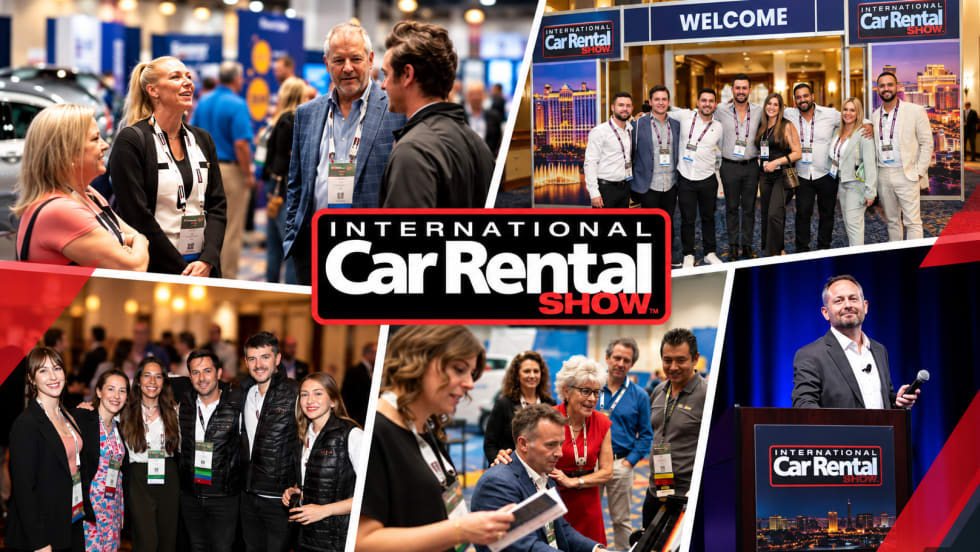
ICRS 2027 Opens Call for Papers
The International Car Rental Show seeks session proposals on the business, operational, and technology issues facing car rental operators. Submissions are due Jan. 15.
Read More →
Turo to Launch Vehicle Delivery Service
Turo Delivered will let travelers search for vehicles that hosts can deliver directly to hotels, homes, airports, train stations, and other locations.
Read More →
Palm Beach Airport Code Change Creates Car Rental Distribution Gap
A test of rental searches under the old PBI and new DJT airport codes returned largely different sets of brands and vehicles, highlighting a potential distribution problem for rental operators.
Read More →