



Related: Trump Administration Streamlines Self-Driving Guidelines
Feds Set Self-Driving Vehicle Summit to Gather Data
The U.S. Transportation Department will hold a summit on March 1 to identify priority federal and non-federal activities that can accelerate the safe roll-out of autonomous vehicles.
by Staff
February 13, 2018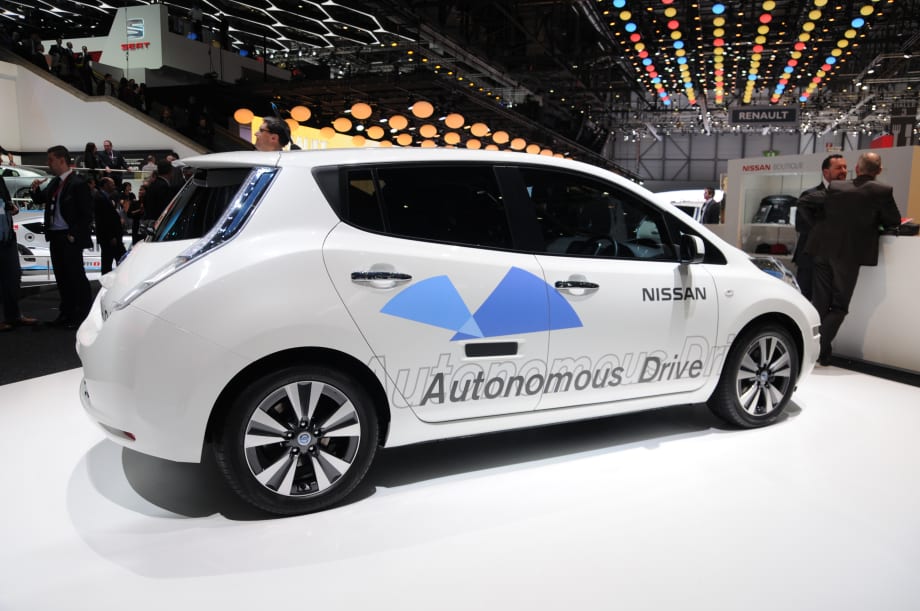
Photo of autonomous LEAF at the 2014 Geneva auto show courtesy of Nissan.
2 min to read
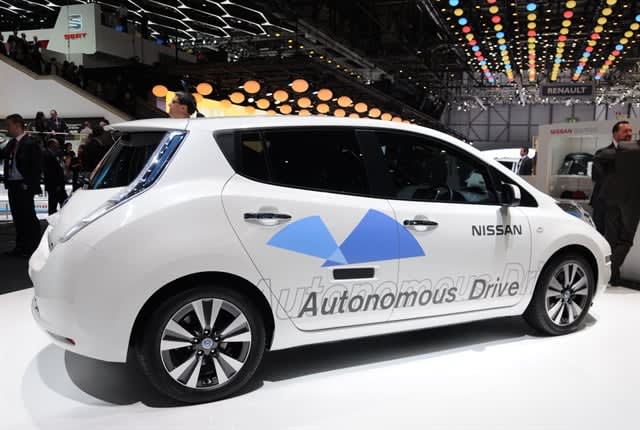
Photo of autonomous LEAF at the 2014 Geneva auto show courtesy of Nissan.
The U.S. Transportation Department will hold a summit on March 1 to identify priority federal and non-federal activities that can accelerate the safe roll-out of autonomous vehicles.
The meeting will take place at the department's headquarters in Washington, D.C., with anticipated attendance by key stakeholders including auto manufacturers, technology companies, road safety advocates and policymakers. It will also be open to the public.
The conference was prompted in part by recent reports that the Trump administration plans to unveil revised self-driving car guidelines this summer as the government sets out to rewrite regulations that pose barriers to robot vehicles.
While the U.S. National Highway Traffic-Safety Administration (NHTSA) has gone on record that it wants to identify any "unnecessary regulatory barriers" to self-driving cars, the group will use the forum to seek comments on what types of research to conduct before determining whether to eliminate or re-write regulations.
The agenda for the summit will include "several stakeholder breakout sessions on various topics related to automation," according to NHTSA.
In September, landmark legislation to speed the introduction of self-driving cars unanimously passed in the U.S. House of Representatives, but stalled in the Senate. Automakers must meet nearly 75 auto safety standards, many of which were written with the assumption that a licensed driver will be in control of the vehicles. While several automakers lobbied for the legislation, auto safety groups called for further safeguards.
Last September, Transportation Secretary Elaine Chao announced the first set of revisions to the guidelines by the Obama administration.
Originally posted on Automotive Fleet
More Rental Operations
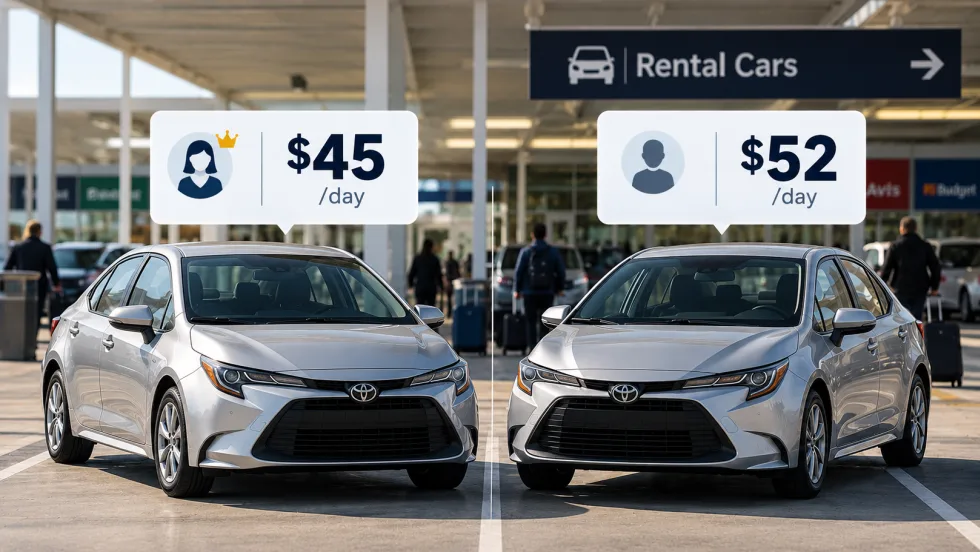
How Rental Operators Can Navigate Personalized Pricing Rules
As regulators scrutinize the use of customer data in pricing, rental operators need to know whether they can explain why one renter pays more than another.
Read More →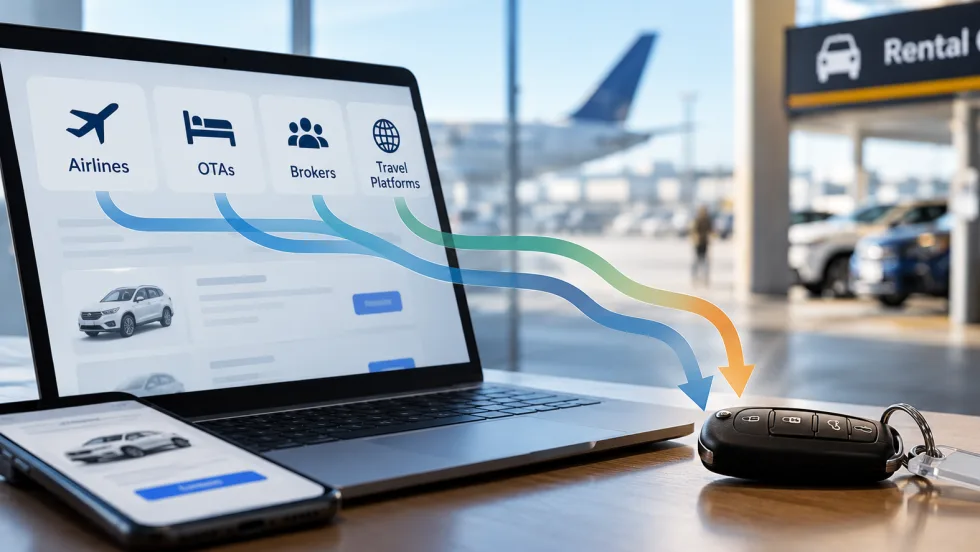
Direct, Broker or Hybrid? How Travel Retailers Source Rental Cars
As travel retailers weigh direct supplier relationships against third-party distribution, rental operators need to understand how those decisions affect their business.
Read More →
How Did This Independent Rental Operator Grow to 170 Vehicles in 4 Years?
With 170 vehicles across three Kentucky locations, Joel Price relies on an overseas team to handle reservations, payments, and after-hours customer service. It's one part of an unconventional approach to growing an independent rental operation.
Read More →
What Does It Take to Succeed in B2B Rentals?
The fundamentals may be familiar to daily car rental operators, but project-based truck rentals put different demands on the fleet and the business.
Read More →
NPR Builds on International Partnerships to Grow Rental Bookings
With Ana Laborde supporting broker development, NPR Auto Group is tailoring distribution strategies, rate packages, and partnerships to grow international reservations across its three brands.
Read More →
Advantage, Sixt Place Among Top Five in Annual Satisfaction Study
While Enterprise and National retain the top spots in JD Power’s 2026 rankings, the latest customer satisfaction results suggest renters can find competitive service beyond the biggest car rental names.
Read More →
The $100,000 Insurance Trap in Exotic Car Rentals
Exotic rental agencies often rely on customers’ personal auto policies to protect six-figure vehicles. But policy language can dramatically change the coverage for vehicles over $100,000 MSRP.
Read More →
The Booking Is Confirmed, But Is Your Customer Ready to Drive?
For international renters, a confirmed reservation doesn’t always mean they’re eligible to drive. Earlier checks can help operators catch documentation and payment issues before the customer reaches the counter.
Read More →
ICRS 2027 Opens Call for Papers
The International Car Rental Show seeks session proposals on the business, operational, and technology issues facing car rental operators. Submissions are due Jan. 15.
Read More →
Turo to Launch Vehicle Delivery Service
Turo Delivered will let travelers search for vehicles that hosts can deliver directly to hotels, homes, airports, train stations, and other locations.
Read More →