




Related: Trump's Travel Ban Jeopardizes International Business Travel
GBTA: Geopolitical Uncertainty Spells Big Loss in Business Travel
In 2017, the Global Business Travel Association (GBTA) forecasts a loss of over $1.3 billion in travel-related expenditures for U.S. business travelers, including rental cars, hotels, and food.
by Staff
May 22, 2017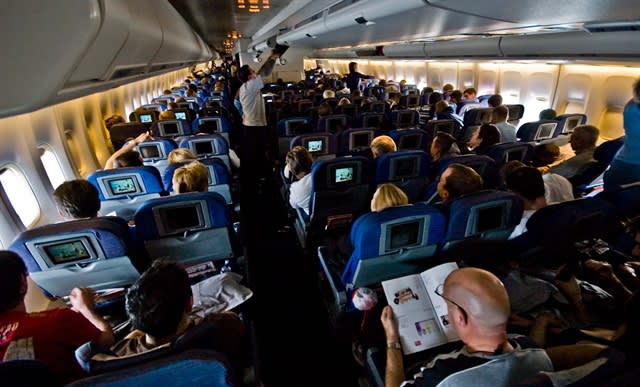
Photo via Wikimedia/Rene Ehrhardt
2 min to read
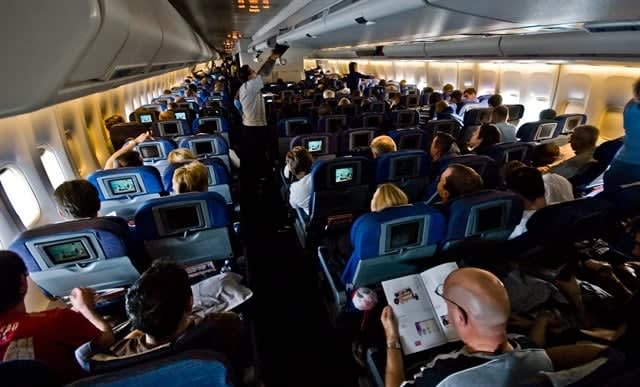
Photo via Wikimedia/Rene Ehrhardt
The Global Business Travel Association (GBTA) projects a loss of over $1.3 billion in overall travel-related expenditures in the United States in 2017, including hotels, food, rental cars, and shopping expenses that inbound travelers would have spent.
That includes $250 million lost in spending from inbound business travelers from Europe and the Middle East, according to GBTA. The greater concern is that the longer-term impact on business travel will become even larger as companies begin to host meetings and events in other destinations.
Using first quarter ticketing data from the Airlines Reporting Corp. (ARC), publicly available travel data, and GBTA’s economic research and models, GBTA developed an “uncertainty forecast” for 2017 showing the impact this geopolitical uncertainty is having on the economy.
U.S. GDP will take a nearly $300 million hit, according to the forecast. More than 4,200 jobs could be lost along with $175 million in wages and $70 million in tax collections. Europe is forecast to lose over $250 million in air fare spending and the Middle East will lose over $80 million in air fare.
As we await the verdict on a possible expansion of the electronics ban, we have yet another uncertainty factor. While it is different from the travel ban executive orders, and there is no doubt that the electronics ban is based on a clear security threat, it is the cumulative impact of anti-travel policies that leave the perception to many that the U.S. is closed for business.
If it is in the best interest of security, business travelers are willing to comply with these types of measures, however, most business travelers would much rather accept a more rigorous screening at the airport than part with their devices.
Nearly half of business travelers prefer to stay connected and get work done while flying. Not allowing them to bring their devices on the plane reduces productivity and that comes with a cost to the tune of nearly $900 million if expanded beyond Middle East countries to Europe, according to GBTA’s forecast.
“We urge the Trump administration to consider the important lasting impact of business travel and enact policies going forward that preserve both our national security and our economy for the future,” said the GBTA forecast.
More Rental Operations
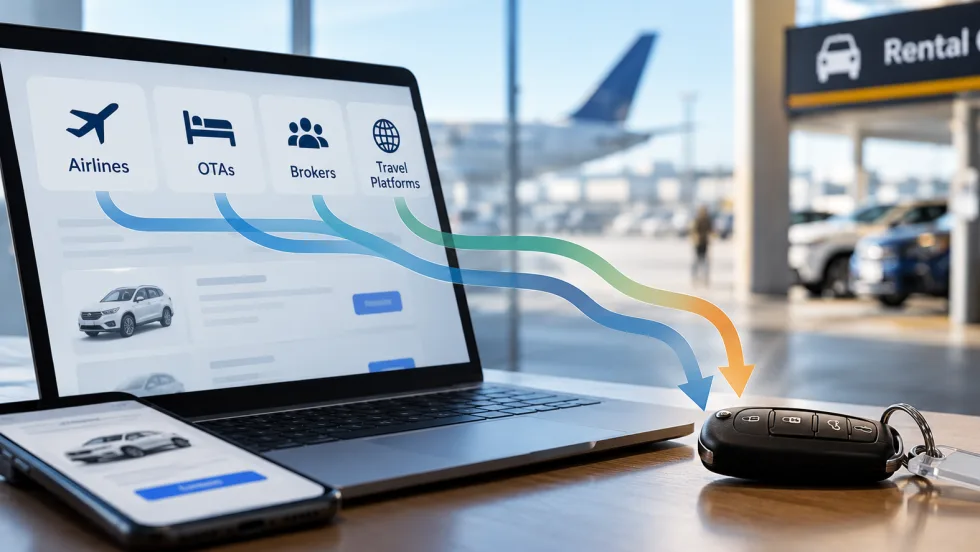
Direct, Broker or Hybrid? How Travel Retailers Source Rental Cars
As travel retailers weigh direct supplier relationships against third-party distribution, rental operators need to understand how those decisions affect their business.
Read More →
How Did This Independent Rental Operator Grow to 170 Vehicles in 4 Years?
With 170 vehicles across three Kentucky locations, Joel Price relies on an overseas team to handle reservations, payments, and after-hours customer service. It's one part of an unconventional approach to growing an independent rental operation.
Read More →
What Does It Take to Succeed in B2B Rentals?
The fundamentals may be familiar to daily car rental operators, but project-based truck rentals put different demands on the fleet and the business.
Read More →
NPR Builds on International Partnerships to Grow Rental Bookings
With Ana Laborde supporting broker development, NPR Auto Group is tailoring distribution strategies, rate packages, and partnerships to grow international reservations across its three brands.
Read More →
Advantage, Sixt Place Among Top Five in Annual Satisfaction Study
While Enterprise and National retain the top spots in JD Power’s 2026 rankings, the latest customer satisfaction results suggest renters can find competitive service beyond the biggest car rental names.
Read More →
The $100,000 Insurance Trap in Exotic Car Rentals
Exotic rental agencies often rely on customers’ personal auto policies to protect six-figure vehicles. But policy language can dramatically change the coverage for vehicles over $100,000 MSRP.
Read More →
The Booking Is Confirmed, But Is Your Customer Ready to Drive?
For international renters, a confirmed reservation doesn’t always mean they’re eligible to drive. Earlier checks can help operators catch documentation and payment issues before the customer reaches the counter.
Read More →
ICRS 2027 Opens Call for Papers
The International Car Rental Show seeks session proposals on the business, operational, and technology issues facing car rental operators. Submissions are due Jan. 15.
Read More →
Turo to Launch Vehicle Delivery Service
Turo Delivered will let travelers search for vehicles that hosts can deliver directly to hotels, homes, airports, train stations, and other locations.
Read More →
Palm Beach Airport Code Change Creates Car Rental Distribution Gap
A test of rental searches under the old PBI and new DJT airport codes returned largely different sets of brands and vehicles, highlighting a potential distribution problem for rental operators.
Read More →