




Hyundai to Offer Fully Autonomous Vehicle by 2021
Hyundai and Volkswagen have signed deals with Pittsburgh-based Aurora Innovation to use its self-driving software in their bids to develop fully autonomous vehicles for commercial service.
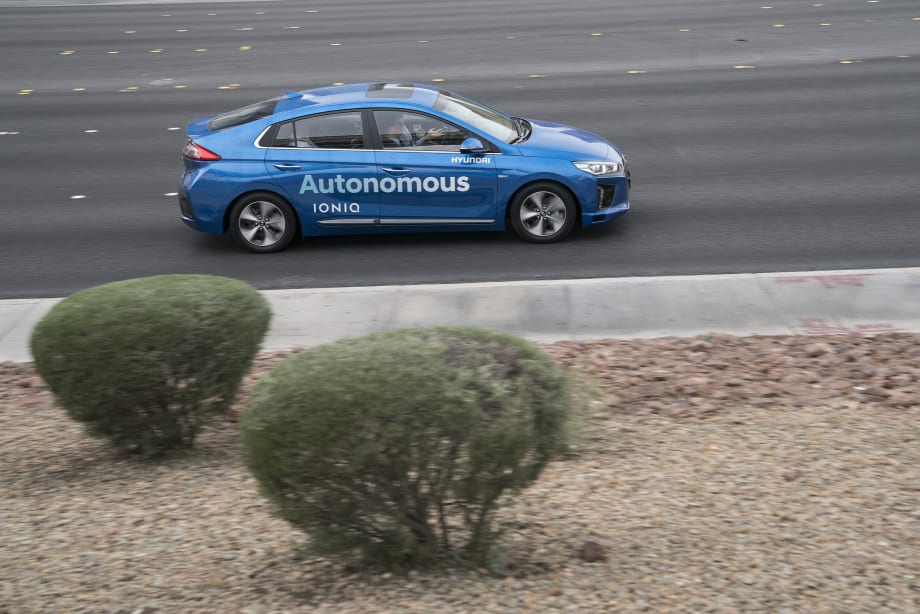
Photo of autonomous Ioniq courtesy of Hyundai.

Photo of autonomous Ioniq courtesy of Hyundai.
Hyundai and Volkswagen have signed deals with Pittsburgh-based Aurora Innovation to use its self-driving software in their bids to develop fully autonomous vehicles for commercial service.
While Volkswagen didn't give a timeline for when it would offer a self-driving vehicle for sale, Hyundai plans to offer a Level 4 autonomous vehicle in the marketplace by 2021 that can operate without human input or oversight under certain conditions.
Hyundai will show its next-generation hydrogen fuel cell vehicle at CES. It will become the first autonomous vehicle Hyundai will test on public roads starting this year. A hydrogen-powered vehicle is ideal as a self-driving car because it can "provide a stable electric power supply without concerns about driving range," according to Hyundai.
Volkswagen plans to develop a fleet of self-driving electic vehicles in cities and deploy them as a mobility service.
"Our vision is 'mobility for all, at the push of a button,'" said Johann Jungwirth, Volkswagen Group's chief digital officer. "In the future, we anticipate that people will be able to use our mobility app or digital virtual assistant to hail a self-driving electric vehicle to drive them conveniently door-to-door, or use our Volkswagen OneButton which has GPS, connectivity and a compass, as a small beautiful key fob with maximum convenience."
In the past six months, the automaker has been integrating Aurora's self-driving system into its vehicles in the Volkswagen Automotive Innovation Lab at Stanford University.
Founders of the startup, which was launched in 2017, have roots in Silicon Valley as well as an office in Palo Alto, California. Cofounder and CEO Chris Urmson was a founding member and technical leader of Google's self-driving unit. Sterling Anderson ran Tesla's Autopilot program. Drew Bagnell was a leader in Uber's autonomy efforts.
Bagnell and Urmson worked on the entry from Pittsburgh-based Carnegie Mellon University into the Darpa Grand Challenge. In 2005, a team of Volkswagen and Stanford won the challenge.
Originally posted on Automotive Fleet
More Rental Operations
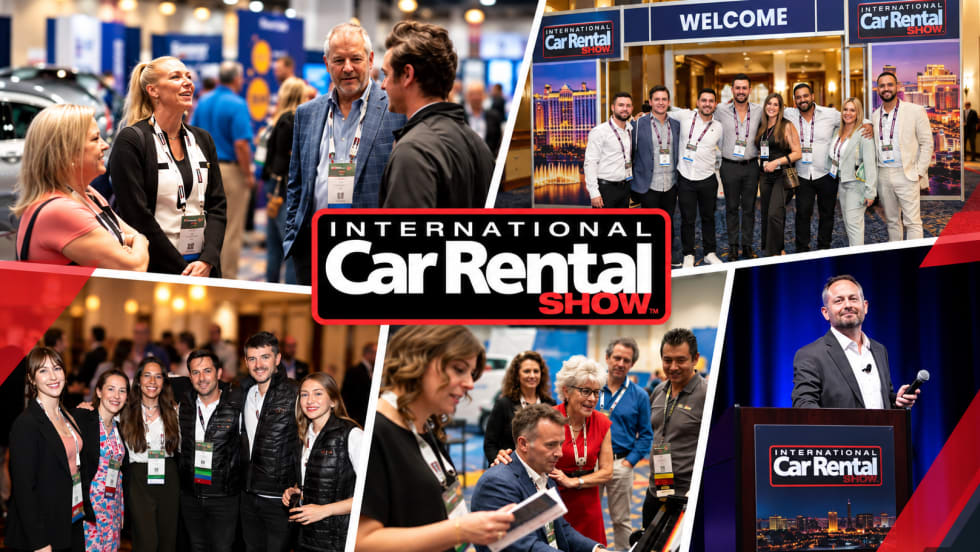
ICRS 2027 Opens Call for Papers
The International Car Rental Show seeks session proposals on the business, operational, and technology issues facing car rental operators. Submissions are due Jan. 15.
Read More →
Turo to Launch Vehicle Delivery Service
Turo Delivered will let travelers search for vehicles that hosts can deliver directly to hotels, homes, airports, train stations, and other locations.
Read More →
Palm Beach Airport Code Change Creates Car Rental Distribution Gap
A test of rental searches under the old PBI and new DJT airport codes returned largely different sets of brands and vehicles, highlighting a potential distribution problem for rental operators.
Read More →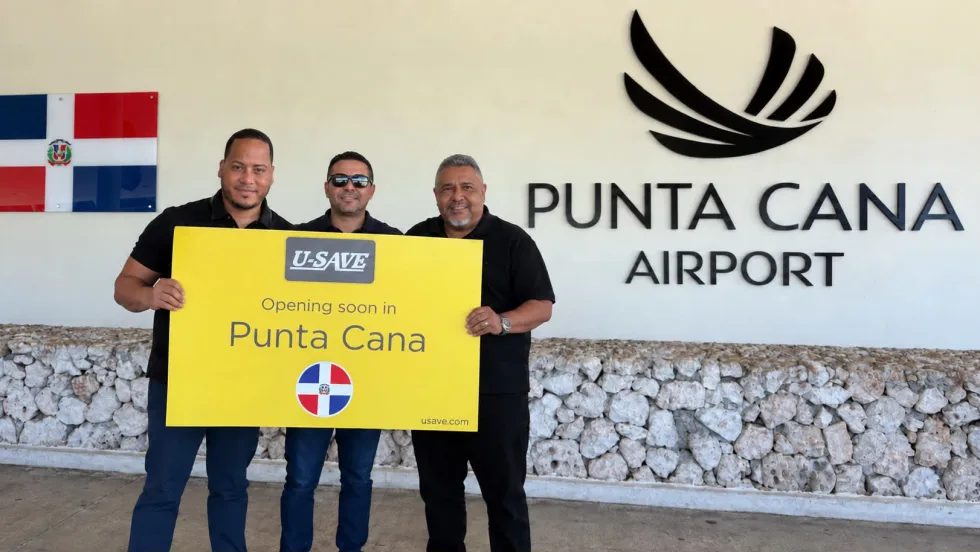
U-Save Continues Dominican Republic Expansion with Launch in Punta Cana
The new franchise location builds on U-Save’s existing Santo Domingo operation and will begin taking reservations for October 2026.
Read More →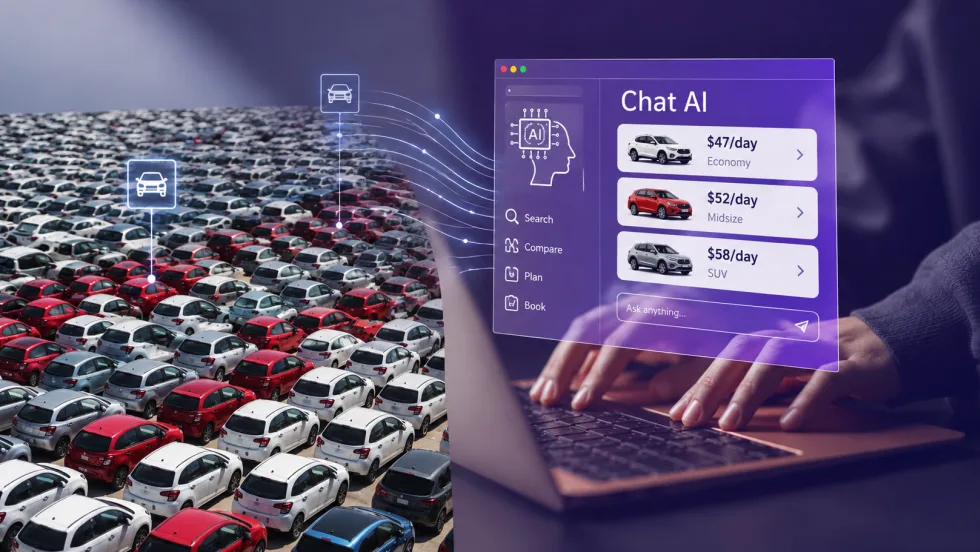
When AI Books the Rental Car, Who Controls the Sale?
As AI moves from comparing rental rates to completing transactions, operators need to understand how travelers find, interpret, rank, and ultimately see their offers. (Part 2 of 2.)
Read More →
European Booked Car Rental Rates Fell 5%, Results Varied by Country
Ireland, Cyprus, and the United Kingdom saw steep declines, while booked rates rose in Poland and Hungary.
Read More →
Is It Time to Rethink Rental Categories?
As traditional economy and compact cars disappear from the market, longtime rental operator Mike DeLorenzo asks whether the industry’s familiar vehicle categories still make sense — and what operators need to rethink along with them.
Read More →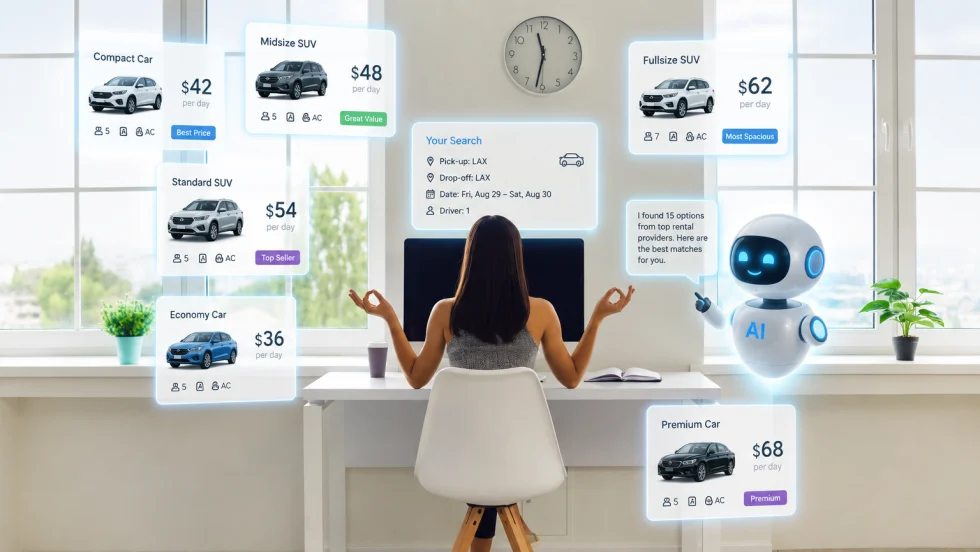
Who Owns the Rate? AI Is Creating a New Distribution Problem for Car Rental
Generative Engine Optimization asks whether AI can find a rental company, but operators also need to know whether the agent inspected enough of the market, compared equivalent offers, and presented a rate the traveler can actually book. (Part 1 of 2)
Read More →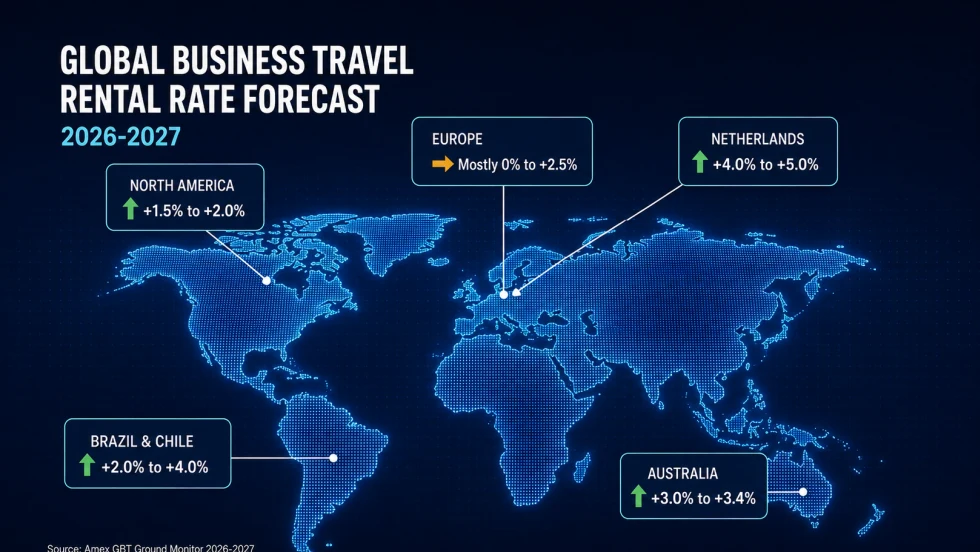
U.S. Business Travel Car Rental Rates Forecast to Rise Up to 2%
Improved fleet supply should limit pricing gains in 2026-27, while insurance, repair costs, and softer residual values continue to pressure rental operations, according to Amex GBT.
Read More →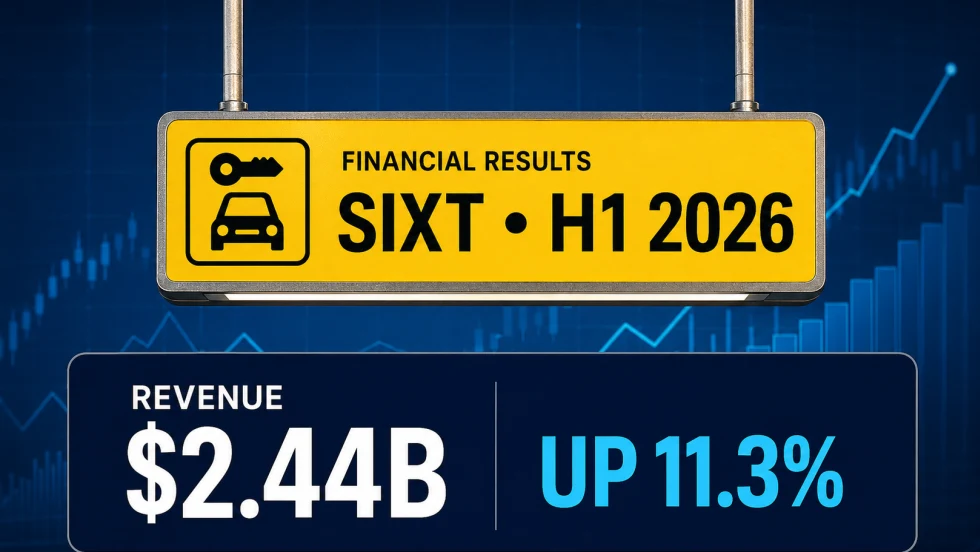
Sixt Revenue Tops $2.4 Billion in First Half of 2026
Sixt’s first-half revenue surpassed $2.4 billion for the first time as demand outpaced fleet growth, lifting utilization and earnings despite weaker consumer sentiment in North America.
Read More →