



Indianapolis Looks at Auto Rental Tax Increase
Also set for increases are taxes on alcohol and hotels to help ease the sting of a bailout of the city's sports board.
Indianapolis Mayor Greg Ballard’s plan to shift more burden onto tourists to offset the burden from a bailout of the city’s sports board by shifting more of the burden onto tourists includes an auto rental tax, according to the Indianapolis Star.
The plan would boost the auto rental tax from 6 percent to 8 percent, for a projected $2 million in revenue.
Although Ballard’s plan ran into resistance on April 13 with his proposal to raise alcohol taxes in one county, other elements such as the car rental tax appeared to win support. A statewide doubling of the alcohol tax was also on the table, but that idea met too much opposition. A state Senate vote on the legislation appeared imminent.
However, the author of a competing plan, House Ways and Means Chairman Bill Crawford, D-Indianapolis, said he believes the plan puts an added burden on the residents of one county only. The Capital Improvement Board, which oversees the facilities for the Indianapolis Colts and the Indiana Pacers, is facing a projected 2010 budget shortfall of $47.5 million.
In addition to the car rental tax increase, the plan would boost taxes on alcohol, hotels, and tickets to stadium and arena events.
Also under discussion is to place an end date of five to 10 years on any taxes raised for the CIB. Ballard said new, higher revenues generated from an expanded convention center, the Marriott and a new NBA collective bargaining agreement could allow the city to sunset the hospitality and alcohol taxes.
More Rental Operations
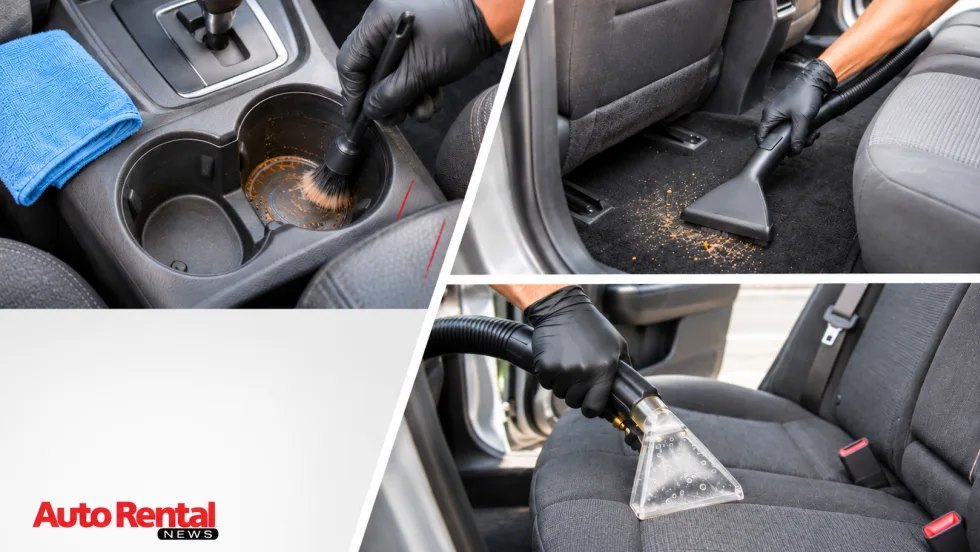
How Better Cleaning Processes Improve Rental Fleet Efficiency
A consistent approach to vehicle cleaning helps rental operators reduce turnaround delays and return vehicles to service without compromising cleanliness.
Read More →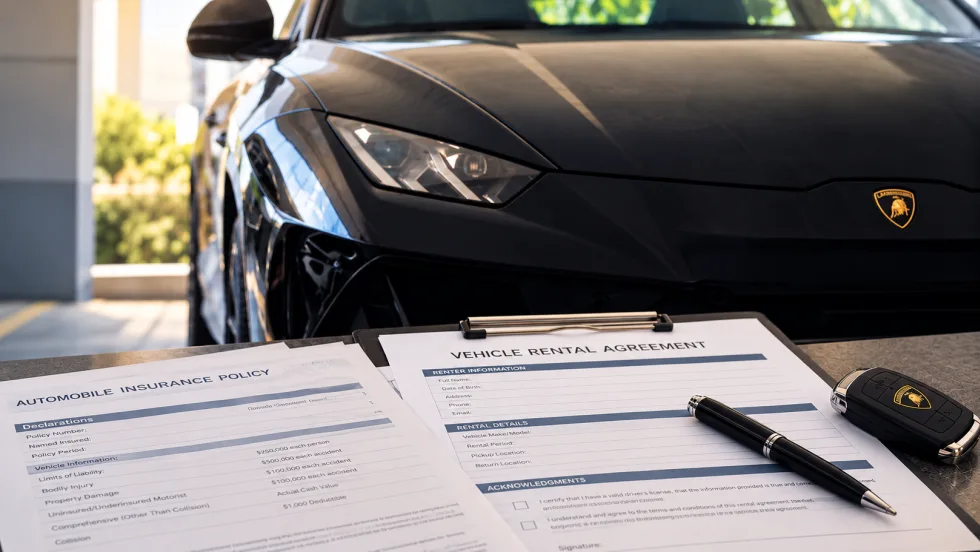
Clean on Paper: Red Flags in Exotic Car Rental Verification
A suspicious $45,000 Lamborghini booking reveals the strengths and limitations of renter verification, from forged insurance documents to coverage gaps and unauthorized drivers. (Part 2 of 3)
Read More →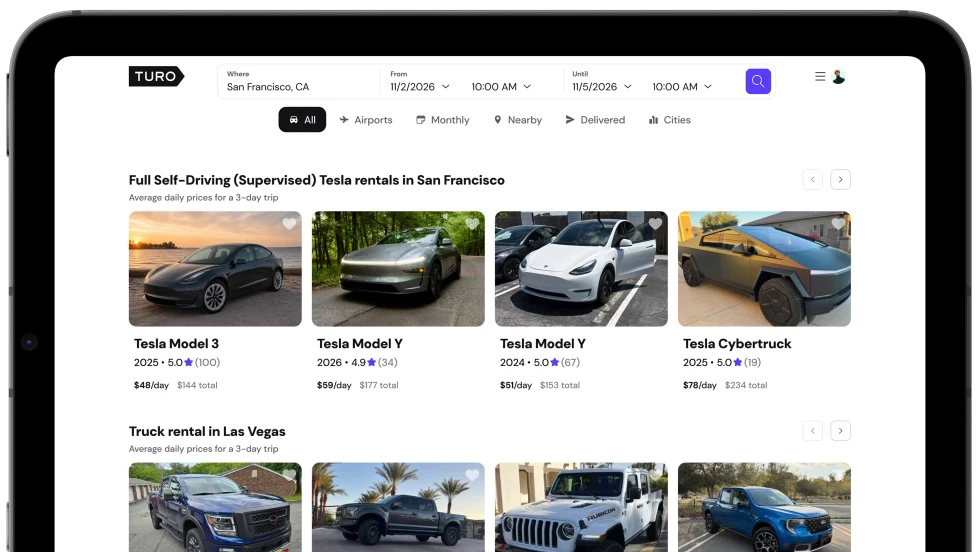
Turo and Tesla Take the Next Step Toward Autonomous Car Rentals
The partnership brings Tesla's Full Self-Driving (Supervised) technology into the rental experience, offering a glimpse of how increasingly automated vehicles could change car rental.
Read More →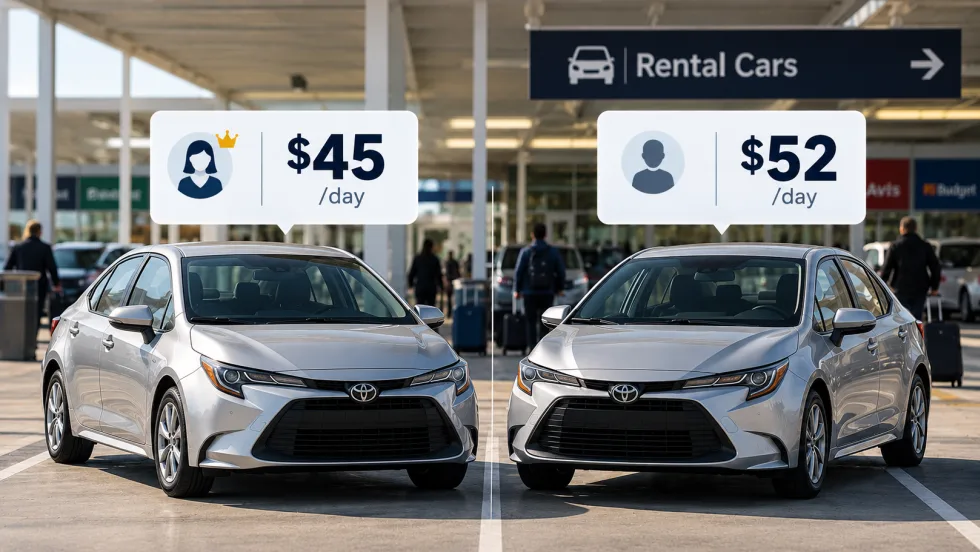
How Rental Operators Can Navigate Personalized Pricing Rules
As regulators scrutinize the use of customer data in pricing, rental operators need to know whether they can explain why one renter pays more than another.
Read More →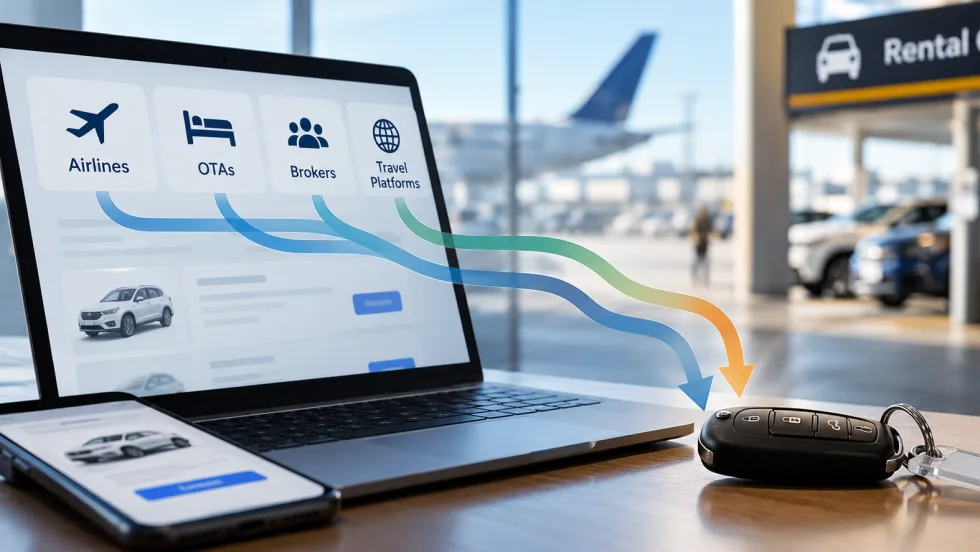
Direct, Broker or Hybrid? How Travel Retailers Source Rental Cars
As travel retailers weigh direct supplier relationships against third-party distribution, rental operators need to understand how those decisions affect their business.
Read More →
How Did This Independent Rental Operator Grow to 170 Vehicles in 4 Years?
With 170 vehicles across three Kentucky locations, Joel Price relies on an overseas team to handle reservations, payments, and after-hours customer service. It's one part of an unconventional approach to growing an independent rental operation.
Read More →
What Does It Take to Succeed in B2B Rentals?
The fundamentals may be familiar to daily car rental operators, but project-based truck rentals put different demands on the fleet and the business.
Read More →
NPR Builds on International Partnerships to Grow Rental Bookings
With Ana Laborde supporting broker development, NPR Auto Group is tailoring distribution strategies, rate packages, and partnerships to grow international reservations across its three brands.
Read More →
Advantage, Sixt Place Among Top Five in Annual Satisfaction Study
While Enterprise and National retain the top spots in JD Power’s 2026 rankings, the latest customer satisfaction results suggest renters can find competitive service beyond the biggest car rental names.
Read More →
The $100,000 Insurance Trap in Exotic Car Rentals
Exotic rental agencies often rely on customers’ personal auto policies to protect six-figure vehicles. But policy language can dramatically change the coverage for vehicles over $100,000 MSRP.
Read More →