




Is Ride-Hailing Reducing the Number of Vehicles on the Road?
MIT Study: Uber, Lyft Drivers Net $3.37 an Hour
The study also found that 30% of ride-hailing drivers are losing money once vehicle expenses are included.
by Staff
March 3, 2018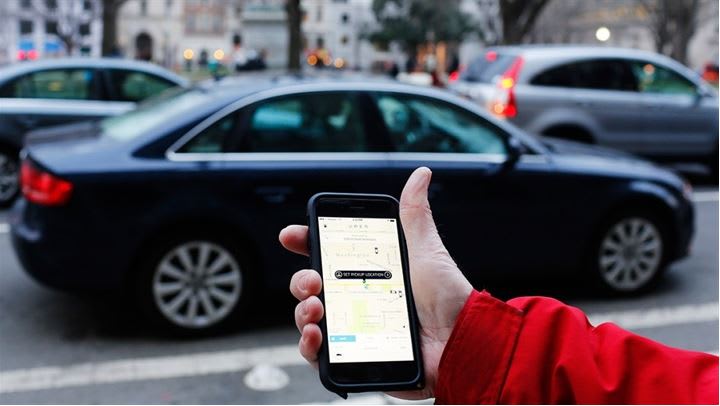
Photo courtesy Mark Warner/flickr
1 min to read
A study released this week conducted by the MIT Center for Energy and Environmental Policy Research contends that drivers for ride-hailing companies such as Uber and Lyft make far less than expected when vehicle expenses are calculated. The study paired the results from a survey of over 1,100 drivers with vehicle cost information.

Photo courtesy Mark Warner/flickr
The study, entitled The Economics of Ride-Hailing: Driver Revenue, Expenses and Taxes, found that per hour worked, median profit from driving for a ride-hailing company is $3.37 an hour before taxes, with 74% of drivers earning less than the minimum wage in their state. Further, 30% of drivers are actually losing money once vehicle expenses are included, the study found.
Drivers using the 54 cents per mile standard deduction for 2016 exceed their median costs of 30 cents per mile. Because of this deduction, most ride-hailing drivers are able to declare substantially lower profits suggesting that about 74% of driver profit is untaxed.
Uber responded in a statement: "While the paper is certainly attention grabbing, its methodology and findings are deeply flawed. We've reached out to the paper's authors to share our concerns and suggest ways we might work together to refine their approach."
More Rental Operations

Direct, Broker or Hybrid? How Travel Retailers Source Rental Cars
As travel retailers weigh direct supplier relationships against third-party distribution, rental operators need to understand how those decisions affect their business.
Read More →
How Did This Independent Rental Operator Grow to 170 Vehicles in 4 Years?
With 170 vehicles across three Kentucky locations, Joel Price relies on an overseas team to handle reservations, payments, and after-hours customer service. It's one part of an unconventional approach to growing an independent rental operation.
Read More →
What Does It Take to Succeed in B2B Rentals?
The fundamentals may be familiar to daily car rental operators, but project-based truck rentals put different demands on the fleet and the business.
Read More →
NPR Builds on International Partnerships to Grow Rental Bookings
With Ana Laborde supporting broker development, NPR Auto Group is tailoring distribution strategies, rate packages, and partnerships to grow international reservations across its three brands.
Read More →
Advantage, Sixt Place Among Top Five in Annual Satisfaction Study
While Enterprise and National retain the top spots in JD Power’s 2026 rankings, the latest customer satisfaction results suggest renters can find competitive service beyond the biggest car rental names.
Read More →
The $100,000 Insurance Trap in Exotic Car Rentals
Exotic rental agencies often rely on customers’ personal auto policies to protect six-figure vehicles. But policy language can dramatically change the coverage for vehicles over $100,000 MSRP.
Read More →
The Booking Is Confirmed, But Is Your Customer Ready to Drive?
For international renters, a confirmed reservation doesn’t always mean they’re eligible to drive. Earlier checks can help operators catch documentation and payment issues before the customer reaches the counter.
Read More →
ICRS 2027 Opens Call for Papers
The International Car Rental Show seeks session proposals on the business, operational, and technology issues facing car rental operators. Submissions are due Jan. 15.
Read More →
Turo to Launch Vehicle Delivery Service
Turo Delivered will let travelers search for vehicles that hosts can deliver directly to hotels, homes, airports, train stations, and other locations.
Read More →
Palm Beach Airport Code Change Creates Car Rental Distribution Gap
A test of rental searches under the old PBI and new DJT airport codes returned largely different sets of brands and vehicles, highlighting a potential distribution problem for rental operators.
Read More →