





Related Article: How Fleets Are Managing the Supply Chain Strain
New Vehicle Inventory Drops, But Availability Steadies
Despite lower production, there are more vehicles ready to be sold due to sales losing momentum since June.
September 15, 2021
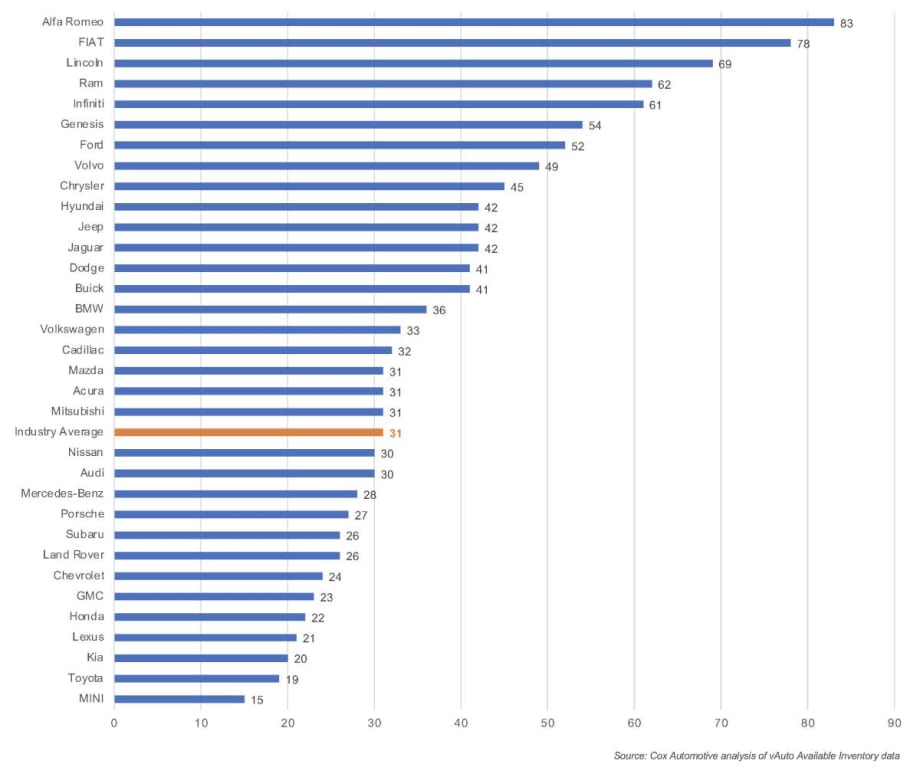
National Days' Supply by Brand, August 2021
Graph: Cox Automotive
4 min to read
The total volume of new-vehicle inventory declined again in August, as automakers continue to struggle with production due to the computer chip shortage, according to a Cox Automotive analysis of vAuto Available Inventory data released Sept. 15. The days’ supply has been holding steady over the past month.
The total U.S. supply of available unsold new vehicles stood at 1.08 million vehicles as August closed. That was down from 1.11 million vehicles in late July, but recent data reviews show supply inching higher but mostly because sales are slowing significantly.
Still, inventories remain historically low, running about 57% below a year ago, according to a Cox Automotive analysis. In raw numbers, supply is down about 1.4 million units from the same time in 2020 and more than 2.5 million units below the 2019 level.
The days’ supply of unsold new vehicles was 31 as September opened. Since mid-July, the days’ supply has been 30 to 31. Days’ supply was 47% below the same week in 2020.
The Cox Automotive days’ supply is based on the daily sales rate for the most recent 30-day period. New-vehicle sales have been losing momentum since June. The August sales pace, or seasonally adjusted annual rate (SAAR), dropped to 13.1 million, down from 14.8 million in July. By comparison, first-half sales were running at a blistering 17 million pace.
Non-luxury inventory again fell well below one million vehicles near the end of August for a 30 days’ supply. Luxury vehicle supply fell to just under 163,000 units at the close of the month from about 190,000 units the month earlier.
“New-vehicle inventory is stabilizing a bit,” said Cox Automotive Senior Economist Charlie Chesbrough, in a news release. “Days of supply has been holding steady because sales have slowed to such a pace that low supply is not being drawn down as rapidly.”
Added Chesbrough: “It is hard to see the situation changing in the near term as many automakers have made announcements of additional production cuts of late.”
Most notably Toyota announced it was slashing global production by 40% for September and recently stated it would also slash October’s planned production by the same amount.
Prices Climb at a Slower Rate
As September opened, the average listing price for new vehicles set another record. It rose to $42,450, up from $41,840 a month earlier. That puts it 10% higher than year-ago levels and 16% higher than 2019. The non-luxury average listing price was $39,182 as August closed, up from $38,483 a month earlier. For luxury vehicles, the average listing price was $62,012, up from $60,069.
It’s a fundamental economic principle that high demand and low supply result in rising prices. In addition, August and September typically are months when automakers and dealers try to sell down old inventory at greatly discounted prices to make room for the new model year products. This year, however, there is no old, discounted inventory to pull down the average price.
Across the price spectrum, the days supply for vehicles under $20,000 was lowest at 21 followed by the $20,000 to $30,000 category at a 24 days’ supply and 27 days’ supply for the $30,000 to $40,000 category. Higher priced segments were 30 days’ supply and higher.
Toyota, Honda Have Lowest Supply
Despite relentlessly low supply, Toyota had been mostly spared from massive production cuts earlier in the year. But that ended as fall approached when the Japanese automaker announced it would cut 40% from planned global production schedules for September and October.
Toyota closed August with 19 days’ supply. Lexus was at 21. Their high-volume models got hit hard. Lexus’ volume-leading RX SUV had a scant 14 days’ supply as September opened. At Toyota brand, the CH-R had about the lowest days’ supply of any model at nine days. Other Toyota volume models – Camry, Corolla, Highlander, Prius, RAV4 and Tacoma – had days’ supply in the teens. Toyota is building up its supply of the full-size Tundra pickup which is launching now in a redesigned form.
The Honda brand was in the same position with a days’ supply of 22. The Civic, CR-V and Ridgeline had 17 days’ supply or less. Accord had only slightly more at about 24 days’ supply. Civic, CR-V and Accord account for the bulk of Honda brand sales.
Kia fell between Toyota and Honda in the inventory rankings with only 20 days’ supply. The new Carnival minivan and Telluride SUV each had a skimpy 16 days’ supply.
Last week, GM warned investors that sales and production declines would be worse than expected in the second half, off 200,000 units – double what GM told investors in July – due to Southeast Asia supply chain issues. Its GMC and Chevrolet brands took the brunt with days’ supply even lower than Subaru.
Originally posted on Vehicle Remarketing
More Remarketing
Rental Fleet Sales Skating Just Above 2025 Levels
The U.S. economy's continued growth and positive business investment are creating a favorable environment for fleet vehicle demand.
Read More →
Cross-Pressures, Evolving Trends Drive 2026 Rental Car Industry
A combination of cautious economic behavior, shifts in the rental vehicle market, and technological influences are shaping car rental operator decisions.
Read More →
Wholesale Used Vehicle Prices Slightly Up In April
The Iranian conflict and rising gas prices inject much uncertainty into the future wholesale used vehicle markets, as higher gas prices soak up spendable income from vehicle buyers.
Read More →
Surprice Opens Two Rental Branches In Japan
The launch highlights the global car rental operation’s growing presence in Asia.
Read More →
Wholesale Used Vehicle Prices Up In February
Solid demand at Manheim auctions with higher sales conversion rates indicate an appetite from dealers to buy.
Read More →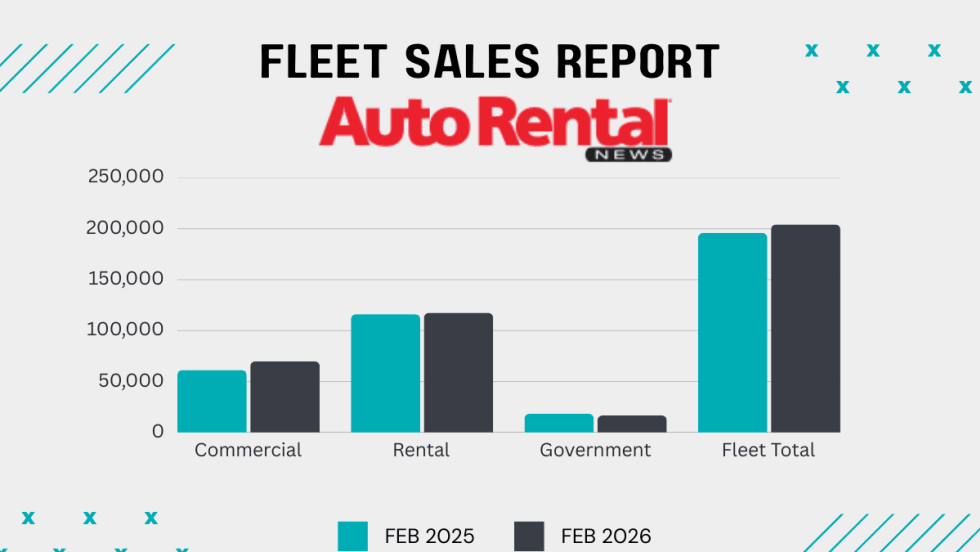
Rental Fleet Sales Slow In February Ending A Strong Streak
Commercial fleets posted the most gains, sustaining increases in monthly and year-to-date fleet sales
Read More →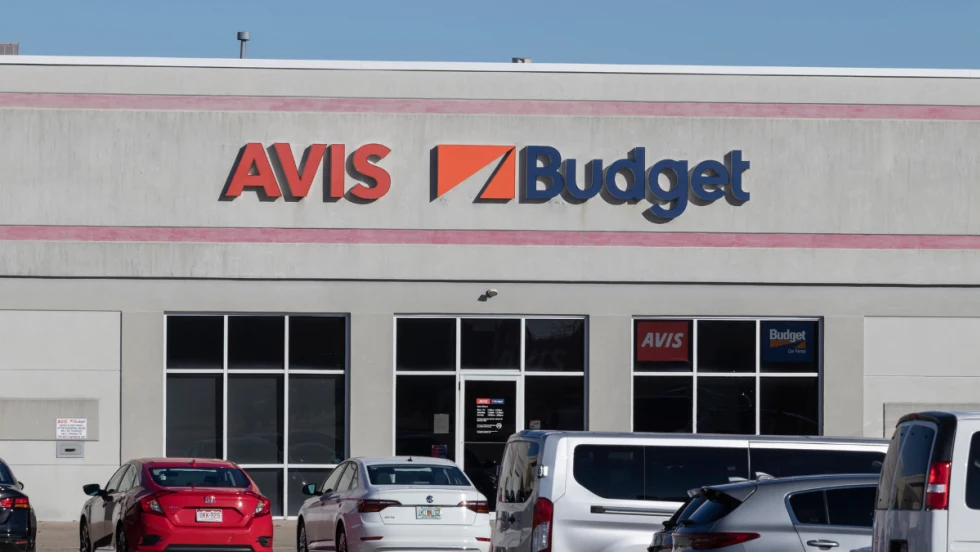
Avis Budget Group Reports Near $1 Billion Loss Tied To 2025 EV Fleet Write-Down
Following Hertz, the company is the second global car rental conglomerate to sustain sizable losses due to lower customer demand and usage of electric rental cars.
Read More →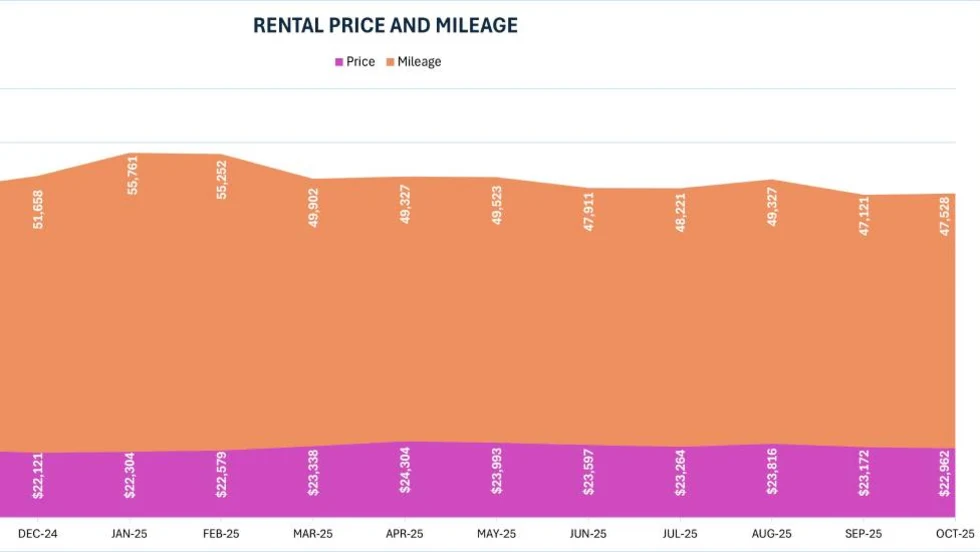
2025 Rental Vehicle Remarketing Summary And Outlook
The year brought modest and flatter results across wholesale values, total off-rental supply, and rental risk units.
Read More →
Auctions Record Highest Vehicle Sales Since 2019
2025 figures show a steady recovery in wholesale vehicle activity this decade.
Read More →
DriveItAway Holdings, Free2move Launch Operations In Nine Cities
The co-branded program with Stellantis’ mobility division scales up leasing and financing options nationwide with more cities to come online in 2026.
Read More →