




New Vehicle Prices Down 5.4% from Peak
With new-vehicle inventory rising in the U.S., downward price pressure and higher incentives appear to be key drivers of the market’s momentum.


While vehicle price increases have slowed in the past year, the industry’s vehicle mix and shift toward luxury has tilted the U.S. auto market away from affordability.
Photo: Erik McLean / Pexels
The average transaction price of a new vehicle in the U.S. last month was $47,244, down 2.2% from February 2023 and down 5.4% from the market peak in December 2022, according to a Kelley Blue Book analysis released March 11.
But new-vehicle prices in the U.S. remain elevated, higher by nearly 14% compared to February 2021.
With new-vehicle inventory rising in the U.S., downward price pressure and higher incentives appear to be key drivers of the market’s momentum.
At the start of February, new-vehicle inventory in the U.S. stood near 2.61 million units, a 50% increase from one year earlier. Sales last month picked up from January and, with a seasonally adjusted annual rate (SAAR) of sales of 15.8 million, kept 2024 on track for the best new-vehicle sales year since 2019.
“While everyone may applaud that prices are coming down, even marginally for the moment, affordability is still challenging the market,” said Erin Keating, executive analyst for Cox Automotive, in a news release. “Most shoppers have not seen their incomes increase as quickly as vehicle prices, so affording a new vehicle remains difficult. We should also note that despite rising inventory, which is good for consumers, the levels are muted, not alarming.”
Higher Incentives Help Keep New-Vehicle Prices in Check
New-vehicle incentives in February averaged 5.9% of transaction price, up from 5.7% in January and much higher than the average of 3.1% recorded in February 2023. Incentives hit bottom in the fall of 2022 — 2.1% of ATP in September of that year — and, along with inventory, have increased steadily since.
Luxury vehicle incentives continue to be more generous than non-luxury. In February, incentives in the luxury market averaged 6.1% of ATP, down from January but nearly twice the level seen one year ago.
The luxury ATP in February was $61,424, an increase from January. Non-luxury vehicle incentives averaged 5.9% in February, an increase from 5.5% in January. Non-luxury vehicle ATPs last month were $44,052, generally unchanged from January, when prices were estimated at $44,062.
Affordability Fades Further
In February, of the roughly 275 different models available in the U.S. market, only nine had transaction prices below $25,000 and only two transacted for less than $20,000. The Kia Rio and Mitsubishi Mirage were the two most affordable vehicles in the U.S. last month, and both are being dropped from the market.
While vehicle price increases have slowed in the past year, the industry’s vehicle mix and shift toward luxury has tilted the U.S. auto market away from affordability. In February 2021, there were 29 vehicles with transaction prices routinely below $25,000, including eight different models transacting below $20,000.
The market is in a new place now. Last month, the top of the market was more crowded than ever: Among mainstream brands, 30 different vehicles posted average transaction prices of over $100,000, with the Mercedes G-Class on top with an ATP of $203,154.
In fact, the February Kelley Blue Book report shows that far more vehicles in the U.S. transact at prices above $75,000 (sales of more than 81,000) than below $25,000 (nearly 52,000).
New-vehicle affordability has improved in recent months but remains far worse today than it was in 2019, according to the latest Cox Automotive/Moody Analytics Vehicle Affordability Index. (Note: Kelley Blue Book estimates exclude exotics from brands including Ferrari, Lamborghini, and Rolls Royce.)
Tesla Prices Rise, But EV Prices Continue To Decline
Meanwhile, average price paid for an electric vehicle in February was $52,314, down from a revised $54,863 in January, according to to newly revised electric vehicle (EV) transaction price data from Cox Automotive and Kelley Blue Book.
EV transaction prices in February were lower year over year by 12.8%, an accelerating decline compared to January when prices were lower year over year by 11.6%.
“Our research continues to show that price remains a significant barrier for consumer adoption,” said Stephanie Valdez Streaty, director of industry insights at Cox Automotive. “While the higher inventory levels and increased competition continue to drive down the price premium of EVs, it’s important to acknowledge that EVs remain priced above mainstream non-luxury vehicles by nearly 19%.”
The market’s general EV price decline has been led in part by the two most popular EVs in the U.S. – the Tesla Model 3 and Model Y.
Transaction prices for the Model Y last month, estimated at $49,363, were the lowest on record and were lower versus February 2023 by 16.2%.
Model 3 transaction prices last month, at $43,614, were lower year over year by 12% and near the lowest level on record. High incentives and discounts on most models also continue to play a major role in lower EV prices.
Originally posted on Automotive Fleet
More Remarketing
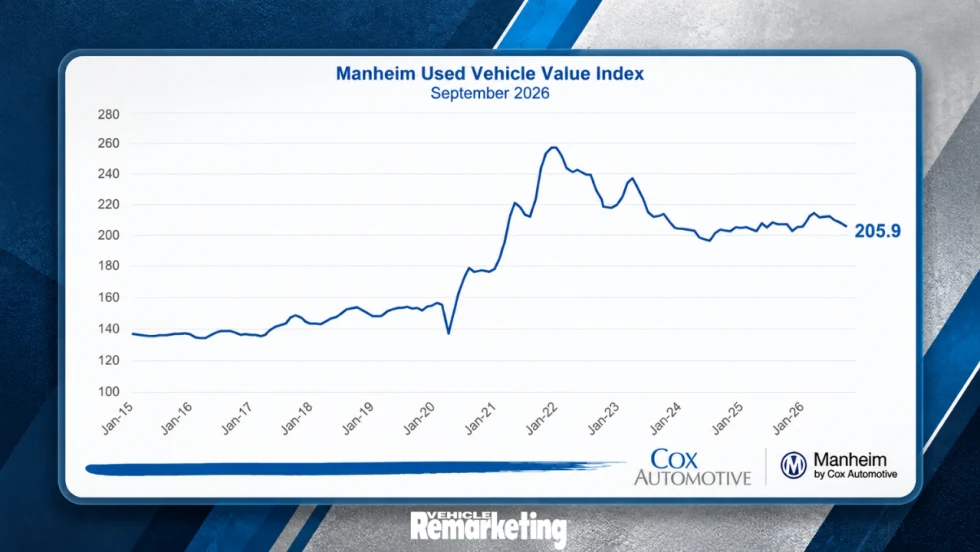
Wholesale Used-Vehicle Values Fall as Cox Automotive Cuts 2026 Forecast
Wholesale used-vehicle prices declined in September as depreciation accelerated, prompting Cox Automotive to lower its year-end forecast.
Read More →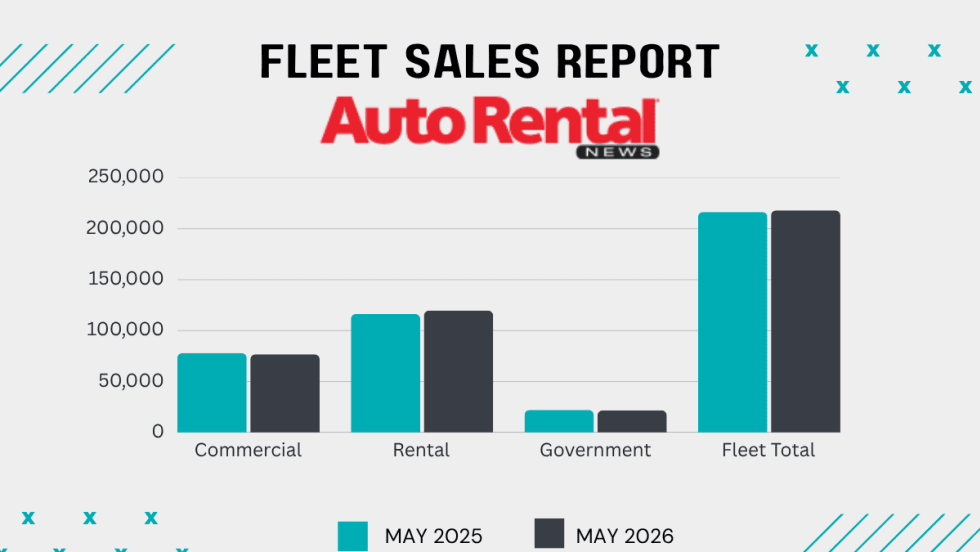
Rental Fleet Sales Skating Just Above 2025 Levels
The U.S. economy's continued growth and positive business investment are creating a favorable environment for fleet vehicle demand.
Read More →
Cross-Pressures, Evolving Trends Drive 2026 Rental Car Industry
A combination of cautious economic behavior, shifts in the rental vehicle market, and technological influences are shaping car rental operator decisions.
Read More →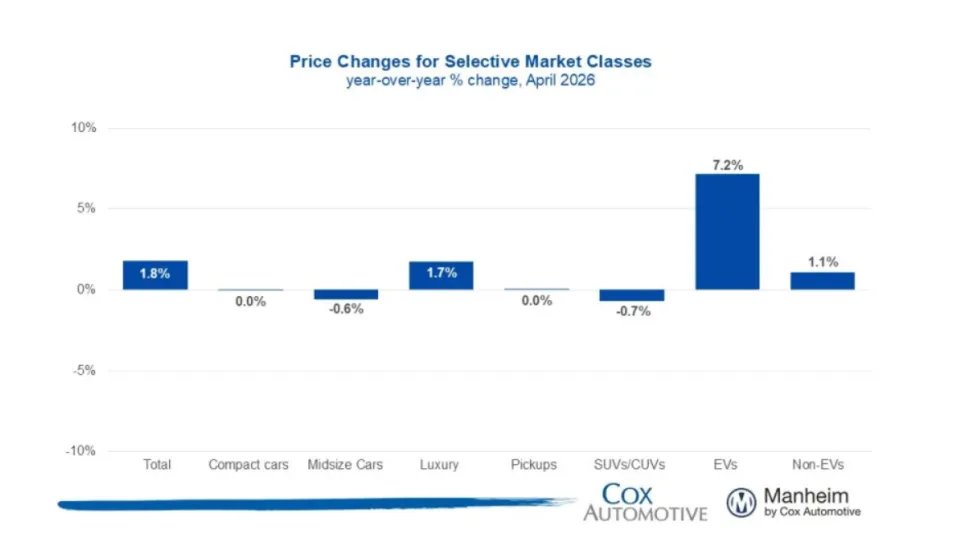
Wholesale Used Vehicle Prices Slightly Up In April
The Iranian conflict and rising gas prices inject much uncertainty into the future wholesale used vehicle markets, as higher gas prices soak up spendable income from vehicle buyers.
Read More →
Surprice Opens Two Rental Branches In Japan
The launch highlights the global car rental operation’s growing presence in Asia.
Read More →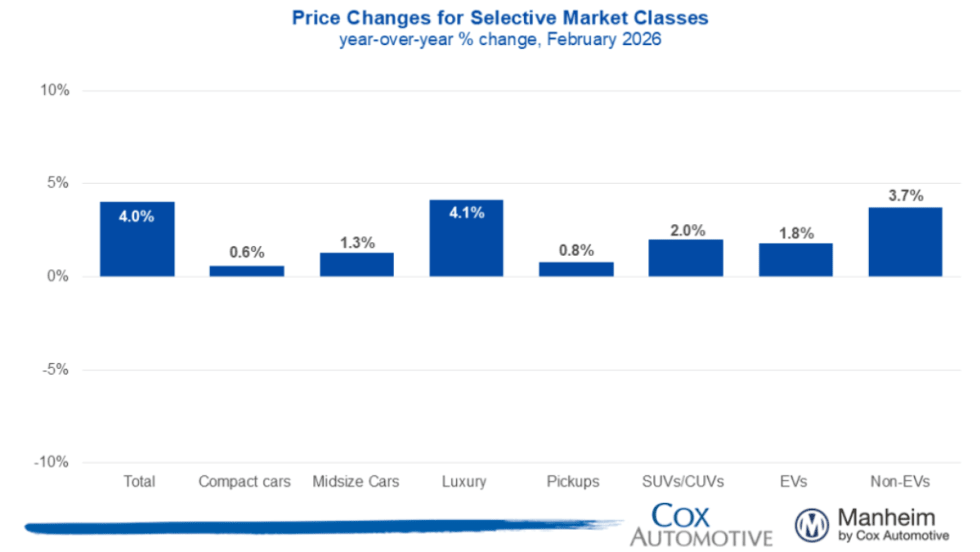
Wholesale Used Vehicle Prices Up In February
Solid demand at Manheim auctions with higher sales conversion rates indicate an appetite from dealers to buy.
Read More →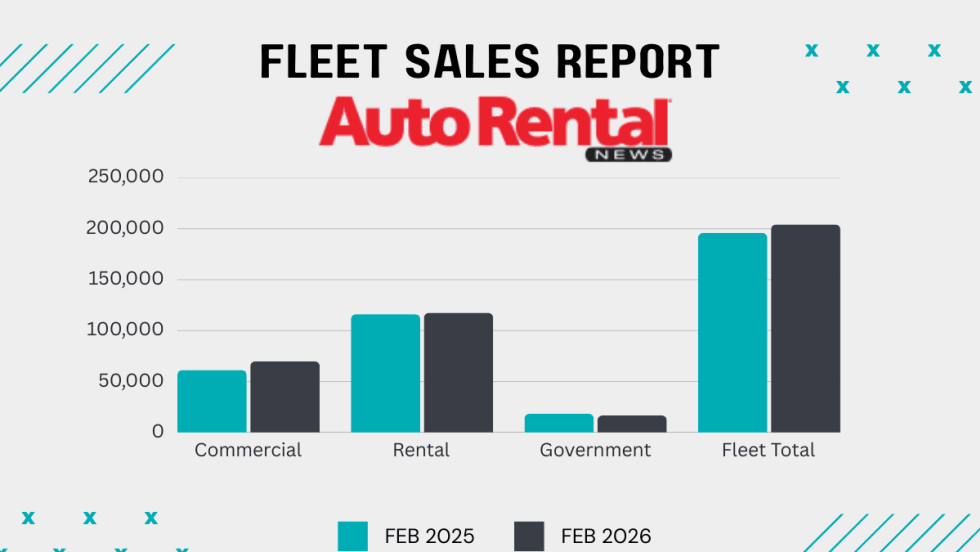
Rental Fleet Sales Slow In February Ending A Strong Streak
Commercial fleets posted the most gains, sustaining increases in monthly and year-to-date fleet sales
Read More →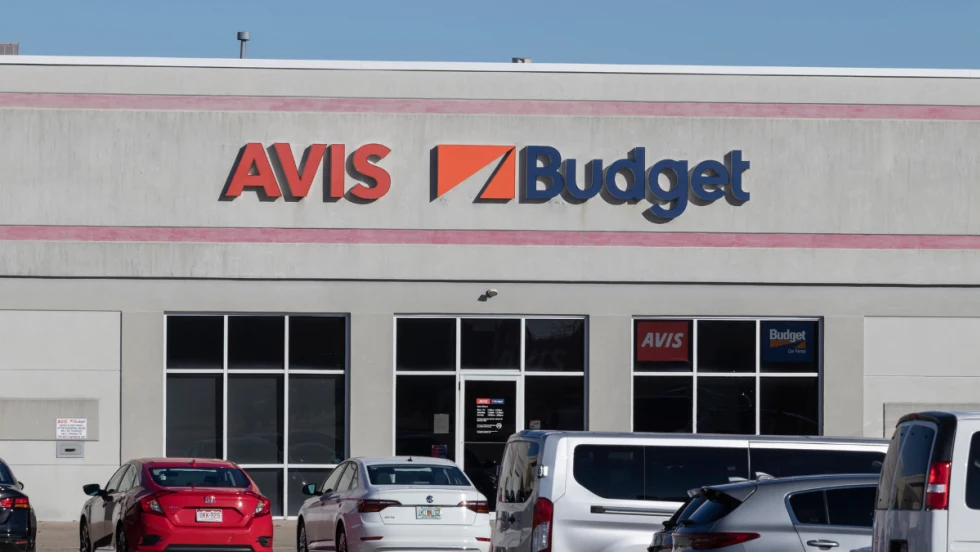
Avis Budget Group Reports Near $1 Billion Loss Tied To 2025 EV Fleet Write-Down
Following Hertz, the company is the second global car rental conglomerate to sustain sizable losses due to lower customer demand and usage of electric rental cars.
Read More →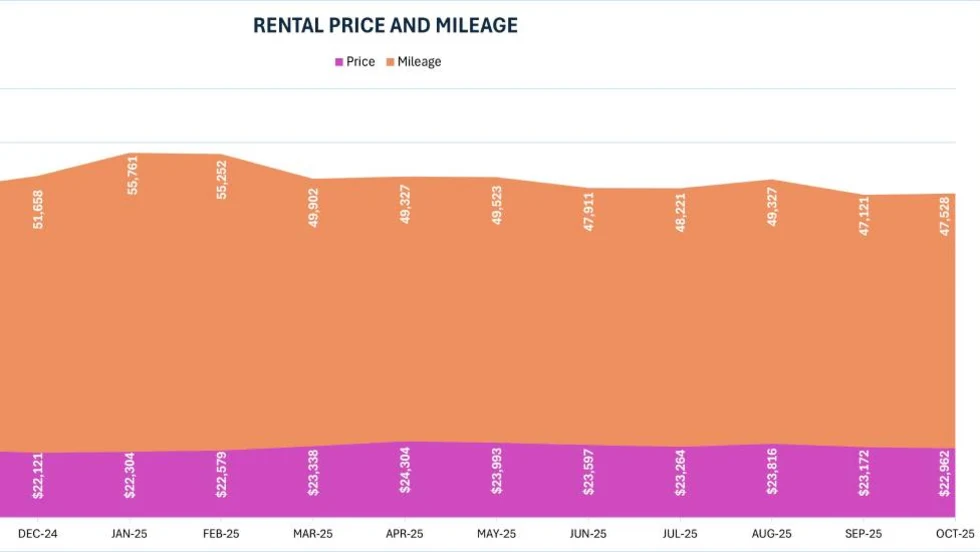
2025 Rental Vehicle Remarketing Summary And Outlook
The year brought modest and flatter results across wholesale values, total off-rental supply, and rental risk units.
Read More →
Auctions Record Highest Vehicle Sales Since 2019
2025 figures show a steady recovery in wholesale vehicle activity this decade.
Read More →