




Related: Election, Global Uncertainty Contribute to Sluggish Business Travel Spending
Trump’s Travel Ban Jeopardizes International Business Travel
In the week following Trump’s travel ban, approximately $185 million in business travel bookings were lost as the uncertainty surrounding travel in general had a rippling effect on traveler confidence, according to the GBTA Foundation's latest business travel forecast.
by Staff
March 7, 2017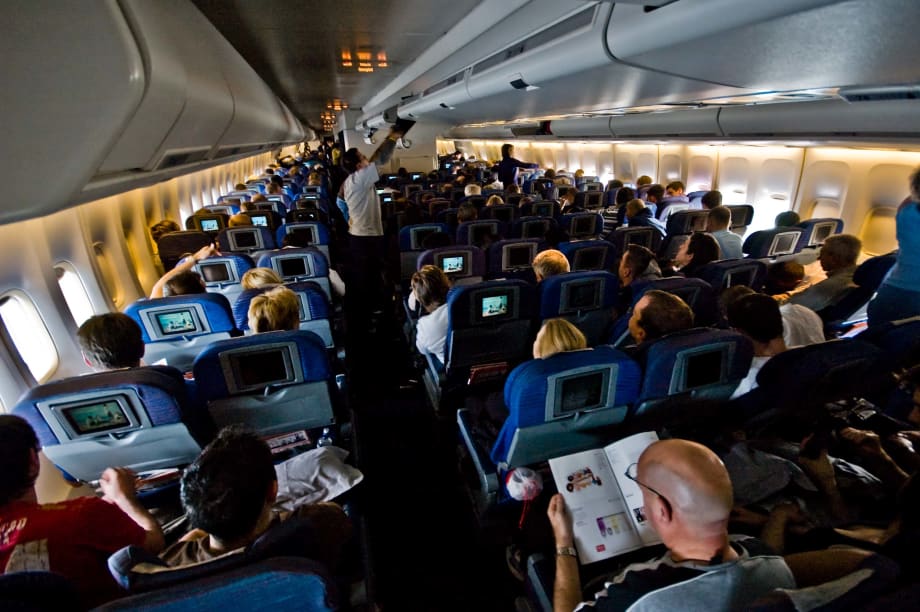
Photo via Wikimedia/Rene Ehrhardt
3 min to read
Photo via Wikimedia/Rene Ehrhardt
The business travel forecast comes with a lot of downside risk, as some of the policies proposed by the incoming Trump administration are likely to have stimulative impacts on business travel, while others may hamper growth, according to the Global Business Travel Association (GBTA) Foundation’s latest U.S. business travel forecast (“2016 Q4 GBTA BTI”) for the United States.
Completed after the election, but before President Trump took office, the GBTA forecast — which projects a 4.4% increase in business travel spending in 2017 totaling $296.1 billion, following a 0.2% drop in 2016 — is now in jeopardy. This will be especially true if we continue to see losses like we witnessed in the week following the travel ban.
In the week following Trump’s travel ban, approximately $185 million in business travel bookings were lost as the uncertainty surrounding travel in general had a rippling effect on traveler confidence, according to the report.
Ultimately, the direction of these policies will be the largest drivers of business travel performance over the forecast horizon — and currently things are not looking promising, says GBTA.
Looking beyond the executive order on travel, the forecast identifies key policy priorities for President Trump’s first 100 days carried over from the campaign, and it looks to assess their potential impact on business travel. First, GBTA takes a look at the areas that could have a positive impact first:
• Lower corporate tax rates: Lower corporate tax rates would likely boost business spending and investment. Given the correlation between profits and business travel, this suggests a positive boost in travel spending, as well, providing the new-found gains are not used to buy back company stock or raise dividend payments.
• Lower business regulation: Cutting the regulatory burden on U.S. companies would help to support more efficiency, higher levels of employment and stronger bottom-line corporate growth — all positive for the health of the business travel sector.
• Increased infrastructure spending: An increase in infrastructure spending would have a stimulative impact on the U.S. economy in the short-run, which would benefit domestic business travel. There would also be longer-run effects on competitiveness and efficiency of the business travel sector for funds directed toward improving ports, roads, and bridges.
According to GBTA, the concern lies in whether or not the positive impacts from these policies will be outweighed by the potential negative impacts of the following policy priorities:
• Protectionist trade policy: So-called border adjustment taxes or direct tariffs could drastically restrict the free movement of goods, services, and people around the world. This would be particularly negative for international outbound business travel. While such policy could force production to the United States potentially producing a positive impact on domestic business travel, international retaliation would be highly likely, and the overall net impact could possibly be negative.
• Cutting the federal workforce: Cutting bloat in the federal workforce would likely help to lead to more government efficiency and a diversion of resources into the private sector. While this could be a good long-run policy for business travel, we would expect negative impacts on government spending in the short-run, which accounts for approximately 8% of total U.S. business travel spend.
In the short-term, GBTA urges President Trump and his administration to make clear their intentions around restricting travel moving forward. Uncertainty is bad for business and bad for the economy, according to GBTA.
The ultimate concern is that the lasting impact of the travel ban, and any future appeals around it, could cause other countries to think twice about planning meetings and events in the United States, says GBTA. This could create a huge impact as each inbound international business trip increases U.S. merchandise exports to the visited country by $36,000 per year and each overseas traveler spends approximately $5,000 when they visit.
More Rental Operations
Direct, Broker or Hybrid? How Travel Retailers Source Rental Cars
As travel retailers weigh direct supplier relationships against third-party distribution, rental operators need to understand how those decisions affect their business.
Read More →
How Did This Independent Rental Operator Grow to 170 Vehicles in 4 Years?
With 170 vehicles across three Kentucky locations, Joel Price relies on an overseas team to handle reservations, payments, and after-hours customer service. It's one part of an unconventional approach to growing an independent rental operation.
Read More →
What Does It Take to Succeed in B2B Rentals?
The fundamentals may be familiar to daily car rental operators, but project-based truck rentals put different demands on the fleet and the business.
Read More →
NPR Builds on International Partnerships to Grow Rental Bookings
With Ana Laborde supporting broker development, NPR Auto Group is tailoring distribution strategies, rate packages, and partnerships to grow international reservations across its three brands.
Read More →
Advantage, Sixt Place Among Top Five in Annual Satisfaction Study
While Enterprise and National retain the top spots in JD Power’s 2026 rankings, the latest customer satisfaction results suggest renters can find competitive service beyond the biggest car rental names.
Read More →
The $100,000 Insurance Trap in Exotic Car Rentals
Exotic rental agencies often rely on customers’ personal auto policies to protect six-figure vehicles. But policy language can dramatically change the coverage for vehicles over $100,000 MSRP.
Read More →
The Booking Is Confirmed, But Is Your Customer Ready to Drive?
For international renters, a confirmed reservation doesn’t always mean they’re eligible to drive. Earlier checks can help operators catch documentation and payment issues before the customer reaches the counter.
Read More →
ICRS 2027 Opens Call for Papers
The International Car Rental Show seeks session proposals on the business, operational, and technology issues facing car rental operators. Submissions are due Jan. 15.
Read More →
Turo to Launch Vehicle Delivery Service
Turo Delivered will let travelers search for vehicles that hosts can deliver directly to hotels, homes, airports, train stations, and other locations.
Read More →
Palm Beach Airport Code Change Creates Car Rental Distribution Gap
A test of rental searches under the old PBI and new DJT airport codes returned largely different sets of brands and vehicles, highlighting a potential distribution problem for rental operators.
Read More →