




Volvo Unveils XC40 with Subscription Vehicle Service
Volvo has unveiled its new XC40 in Milan, Italy, and a new vehicle subscription plan aimed at driving its luxury compact SUV off dealer lots.

Photo of XC40 by Volvo.

Photo of XC40 by Volvo.
Volvo has unveiled its new XC40 in Milan, Italy, and a new vehicle subscription plan aimed at driving its luxury compact SUV off dealer lots.
The XC40 represents Volvo's entry into the luxury crossover segment that also includes the Audi Q3, BMW X3, and Lexus NX. The Care by Volvo subscription model, a new take on leasing, mirrors similar offerings from by Cadillac and Hyundai.
Volvo hopes the XC40 will help it increase sales by 50% to 800,000 vehicles by 2020, reports Automotive News.
Care by Volvo, which has been rolled out in Europe and will eventually be offered in the U.S., would be offered alongside traditional purchase and leasing options. A flat monthly rate includes scheduled maintenance, insurance, wear and tear items, and protection services. The service allows a user to upgrade to a new vehicle as soon as 12 months, according to Volvo.
The XC40 will initially be offered with two four-cylinder engine choices, including a D4 diesel or T5 gasoline engine. For improved fuel economy, buyers will eventually be able to choose an XC40 with a three-cylinder engine. Volvo also plans to offer battery-electric and hybrid models in the future.
The compact SUV will offer an array of advanced safety systems, including the latest generation of City Safety and the company's semi-autonomous Pilot Assist system.
The XC40 will be produced in Ghent, Belgium. Production begins in November.
Originally posted on Automotive Fleet
More Rental Operations

ICRS 2027 Opens Call for Papers
The International Car Rental Show seeks session proposals on the business, operational, and technology issues facing car rental operators. Submissions are due Jan. 15.
Read More →
Turo to Launch Vehicle Delivery Service
Turo Delivered will let travelers search for vehicles that hosts can deliver directly to hotels, homes, airports, train stations, and other locations.
Read More →
Palm Beach Airport Code Change Creates Car Rental Distribution Gap
A test of rental searches under the old PBI and new DJT airport codes returned largely different sets of brands and vehicles, highlighting a potential distribution problem for rental operators.
Read More →
U-Save Continues Dominican Republic Expansion with Launch in Punta Cana
The new franchise location builds on U-Save’s existing Santo Domingo operation and will begin taking reservations for October 2026.
Read More →
When AI Books the Rental Car, Who Controls the Sale?
As AI moves from comparing rental rates to completing transactions, operators need to understand how travelers find, interpret, rank, and ultimately see their offers. (Part 2 of 2.)
Read More →
European Booked Car Rental Rates Fell 5%, Results Varied by Country
Ireland, Cyprus, and the United Kingdom saw steep declines, while booked rates rose in Poland and Hungary.
Read More →
Is It Time to Rethink Rental Categories?
As traditional economy and compact cars disappear from the market, longtime rental operator Mike DeLorenzo asks whether the industry’s familiar vehicle categories still make sense — and what operators need to rethink along with them.
Read More →
Who Owns the Rate? AI Is Creating a New Distribution Problem for Car Rental
Generative Engine Optimization asks whether AI can find a rental company, but operators also need to know whether the agent inspected enough of the market, compared equivalent offers, and presented a rate the traveler can actually book. (Part 1 of 2)
Read More →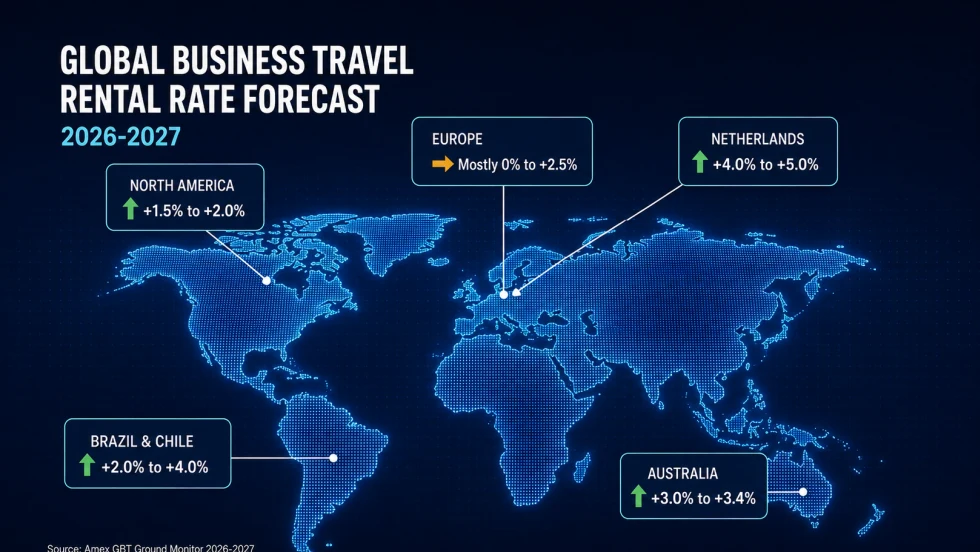
U.S. Business Travel Car Rental Rates Forecast to Rise Up to 2%
Improved fleet supply should limit pricing gains in 2026-27, while insurance, repair costs, and softer residual values continue to pressure rental operations, according to Amex GBT.
Read More →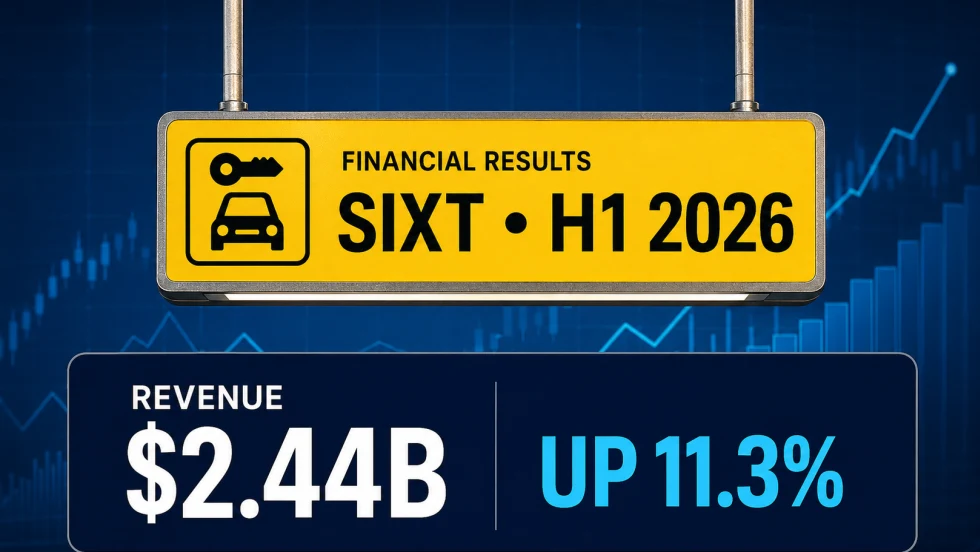
Sixt Revenue Tops $2.4 Billion in First Half of 2026
Sixt’s first-half revenue surpassed $2.4 billion for the first time as demand outpaced fleet growth, lifting utilization and earnings despite weaker consumer sentiment in North America.
Read More →