




Wholesale Market Continues Upswing
Average wholesale used vehicle prices have risen by almost $750 since their trough in October, according to Adesa auction data.
Average wholesale used vehicle prices continued to rise sequentially in February as they have since they bottomed out in October, says Tom Kontos of Adesa in his monthly Kontos Kommentary. This means consumers in general have more equity in the vehicles they drive, Kontos says. The implied improvement in vehicle trade-in values may mean that new vehicle sales could be nearing bottom as well.
In the meantime, dealers and consumers are emphasizing used vehicles in their decision making, as they typically do in recessionary times. Retail sales of used vehicles registered their first year-over-year increase since last February, particularly as franchised dealers look to used vehicles to help them “keep the lights on” and as consumers look to save money by purchasing used.
According to ADESA Analytical Services’ monthly analysis of Wholesale Used Vehicle Prices by Vehicle Model Class, wholesale used vehicle prices in February averaged $9,363 —a 1.1 percent increase over January. Cumulatively, average prices have risen by almost $750 since their trough in October. Prices remain down on a year-over-year basis, but the declines have fallen to 4.1 percent from 11.3 percent in October.
Average prices for full-size SUVs continue to rebound, registering their first year-over-year increase since October 2007 (up 2.9 percent—the only model class segment to show a Y/Y increase in February) and the largest monthly increase in February (up a whopping 9.4 percent). This lends further credence to our argument repeated since April 2008 that average prices for full-size SUVs had over-corrected down for high gas prices at the time. Conversely, prices for compact cars, which over-corrected up, were only up 1.5 percent in February and down 5.6 percent year-over-year. Prices for minivans rose significantly (up 5.8 percent) in February, while prices for luxury cars fell by 3.4 percent.
December prices for vehicles sold in manufacturer sales were down 1.1 percent year-over-year, fleet/lease sales prices were down 7.2 percent and dealer consignment sales prices were down 8.8 percent, but prices were up sequentially for all three groups. Auction industry sales volumes rose by 2 percent compared to January. ADESA Analytical Services estimates that generally improving sales prices, conversion rates well above the 60 percent norm, and higher sales volumes combined to lower inventory levels to approximately 50 days compared to over 70 days at 2008 year-end and close to 60 days at the end of January. The working down of inventories will put further upward pressure on prices in light of strong demand.
Based on data from CNW Marketing/Research, February retail used vehicle unit sales were up 8.7 percent year-over-year for franchised dealers, down 2.7 percent for independent dealers, and up 3.1 percent overall (the first Y/Y increase in 12 months). Certified used vehicle sales were down 8.3 percent year-over-year in February according to Autodata.
More Rental Operations

Palm Beach Airport Code Change Creates Car Rental Distribution Gap
A test of rental searches under the old PBI and new DJT airport codes returned largely different sets of brands and vehicles, highlighting a potential distribution problem for rental operators.
Read More →
U-Save Continues Dominican Republic Expansion with Launch in Punta Cana
The new franchise location builds on U-Save’s existing Santo Domingo operation and will begin taking reservations for October 2026.
Read More →
When AI Books the Rental Car, Who Controls the Sale?
As AI moves from comparing rental rates to completing transactions, operators need to understand how travelers find, interpret, rank, and ultimately see their offers. (Part 2 of 2.)
Read More →
European Booked Car Rental Rates Fell 5%, Results Varied by Country
Ireland, Cyprus, and the United Kingdom saw steep declines, while booked rates rose in Poland and Hungary.
Read More →
Is It Time to Rethink Rental Categories?
As traditional economy and compact cars disappear from the market, longtime rental operator Mike DeLorenzo asks whether the industry’s familiar vehicle categories still make sense — and what operators need to rethink along with them.
Read More →
Who Owns the Rate? AI Is Creating a New Distribution Problem for Car Rental
Generative Engine Optimization asks whether AI can find a rental company, but operators also need to know whether the agent inspected enough of the market, compared equivalent offers, and presented a rate the traveler can actually book. (Part 1 of 2)
Read More →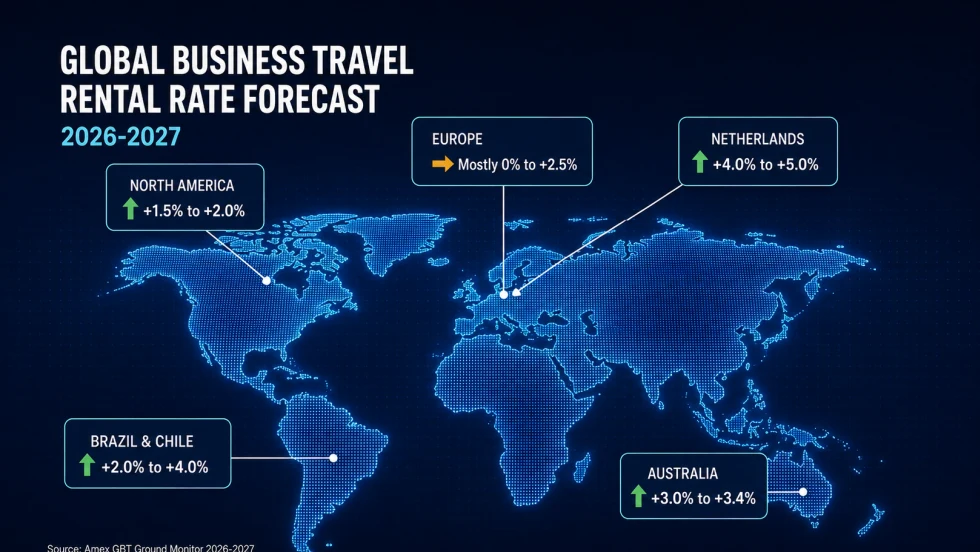
U.S. Business Travel Car Rental Rates Forecast to Rise Up to 2%
Improved fleet supply should limit pricing gains in 2026-27, while insurance, repair costs, and softer residual values continue to pressure rental operations, according to Amex GBT.
Read More →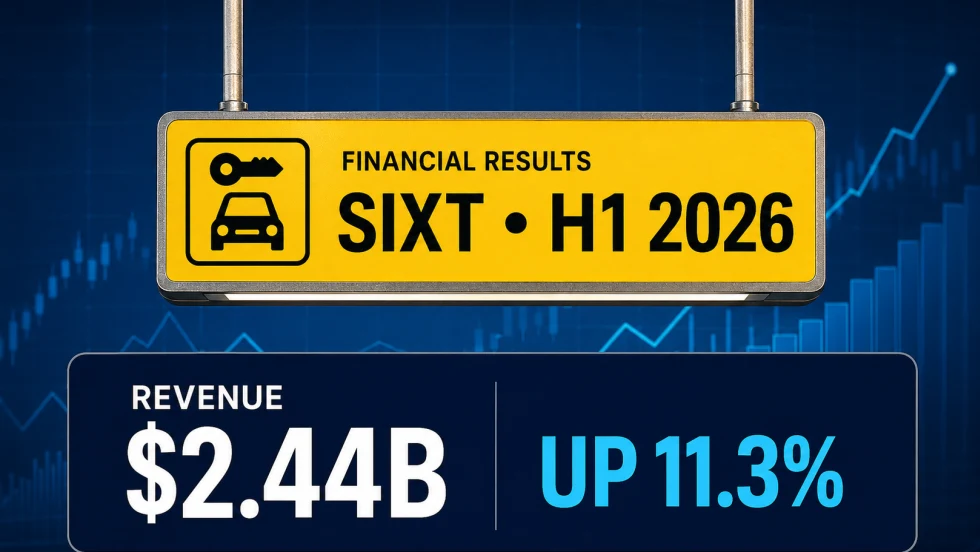
Sixt Revenue Tops $2.4 Billion in First Half of 2026
Sixt’s first-half revenue surpassed $2.4 billion for the first time as demand outpaced fleet growth, lifting utilization and earnings despite weaker consumer sentiment in North America.
Read More →
In Memoriam: Bobby Klyce, Avis Licensee Legend
The longtime Birmingham Avis operator and 2018 Auto Rental News Impact Award recipient was remembered as an advocate for independent licensees and the broader car rental industry.
Read More →
How to Build Custom Fleet Tools With AI and Vibe Coding [Webinar]
A new Automotive Fleet webinar explores how fleet managers are using AI and vibe coding to automate routine work and create simple operational tools without traditional programming skills.
Read More →