




Zipcar and Boston Launch City Employee Car-Sharing Program
The new "FleetHub" Program is expected to reduce costs and streamline fleet operations for the city. The program will initially be launched as a six-month pilot, in which the city plans to extend to more vehicles following successful implementation.
Zipcar Inc. announced in a Feb. 6 press release a new partnership with the city of Boston to launch a new fleet-sharing program called FleetHub. Through this program, a number of existing city-owned fleet vehicles will be outfitted with Zipcar's proprietary car-sharing technology for use by city employees.
Through the FleetHub program, Boston has combined vehicles once dedicated to city departments to create an interdepartmental fleet. By deploying Zipcar's platform in these vehicles, as well as implementing Zipcar's self-service online reservation and secure vehicle access system, the program is expected to help the city gain new efficiencies and reduce costs.
With a focus on fleet modernization and sustainability, the program is also likely to help dispose of older, under-utilized vehicles.
"Boston is always looking for ways to be more green — both in saving money and saving energy. This partnership with Zipcar helps us do both," Mayor Thomas M. Menino said. "It will modernize the city's fleet, allowing us to reduce costs and operate more efficiently, providing fuel-efficient vehicles as well as the technology to maintain a convenient, web-based system for use by city employees."
"As a Boston-area company, we're proud to partner with Mayor Menino and the city of Boston to help implement an innovative approach to sharing expensive city assets and resources, while improving efficiency and sustainability and helping the city modernize an aging fleet," said Scott Griffith, Zipcar chairman and CEO. "By utilizing Zipcar technology through the new FleetHub program, the city of Boston will be able to reduce the environmental and fiscal impacts of operating dedicated departmental fleets, and joins smart city governments focused on developing smart solutions to complex transportation challenges."
Boston selected Zipcar as its fleet technology provider through a competitive bidding process. The program will initially be launched as a six-month pilot, in which the city plans to extend to more vehicles following successful implementation.
By utilizing Zipcar technology, Boston will be able to design and configure its fleet footprint in real time for optimal utilization; manage critical activities including preventive maintenance, fueling, billing, and fleet distribution; and analyze usage and diagnostic data.
Zipcar's technology has already been adopted through similar initiatives in Washington, D.C. and the city of Chicago.
More Rental Operations

What Does It Take to Succeed in B2B Rentals?
The fundamentals may be familiar to daily car rental operators, but project-based truck rentals put different demands on the fleet and the business.
Read More →
NPR Builds on International Partnerships to Grow Rental Bookings
With Ana Laborde supporting broker development, NPR Auto Group is tailoring distribution strategies, rate packages, and partnerships to grow international reservations across its three brands.
Read More →
Advantage, Sixt Place Among Top Five in Annual Satisfaction Study
While Enterprise and National retain the top spots in JD Power’s 2026 rankings, the latest customer satisfaction results suggest renters can find competitive service beyond the biggest car rental names.
Read More →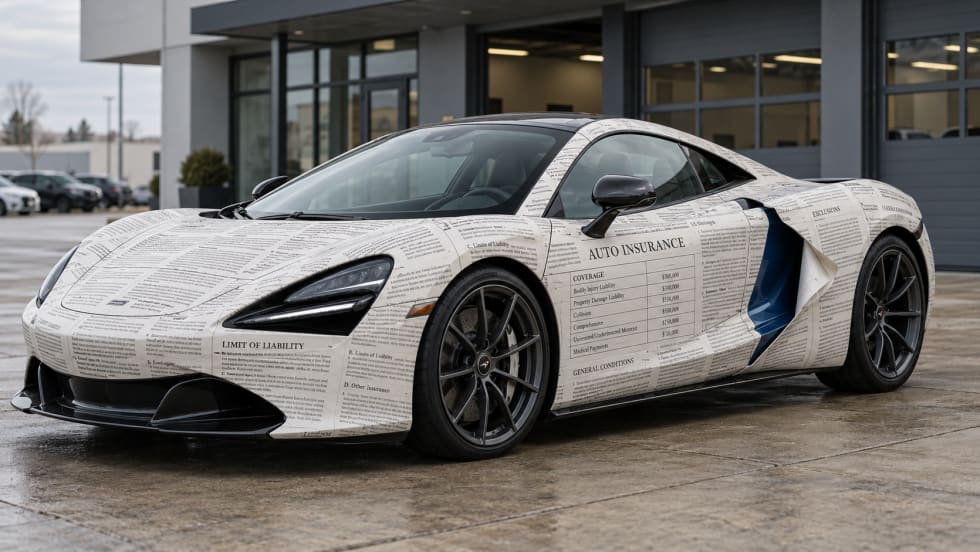
The $100,000 Insurance Trap in Exotic Car Rentals
Exotic rental agencies often rely on customers’ personal auto policies to protect six-figure vehicles. But policy language can dramatically change the coverage for vehicles over $100,000 MSRP.
Read More →
The Booking Is Confirmed, But Is Your Customer Ready to Drive?
For international renters, a confirmed reservation doesn’t always mean they’re eligible to drive. Earlier checks can help operators catch documentation and payment issues before the customer reaches the counter.
Read More →
ICRS 2027 Opens Call for Papers
The International Car Rental Show seeks session proposals on the business, operational, and technology issues facing car rental operators. Submissions are due Jan. 15.
Read More →
Turo to Launch Vehicle Delivery Service
Turo Delivered will let travelers search for vehicles that hosts can deliver directly to hotels, homes, airports, train stations, and other locations.
Read More →
Palm Beach Airport Code Change Creates Car Rental Distribution Gap
A test of rental searches under the old PBI and new DJT airport codes returned largely different sets of brands and vehicles, highlighting a potential distribution problem for rental operators.
Read More →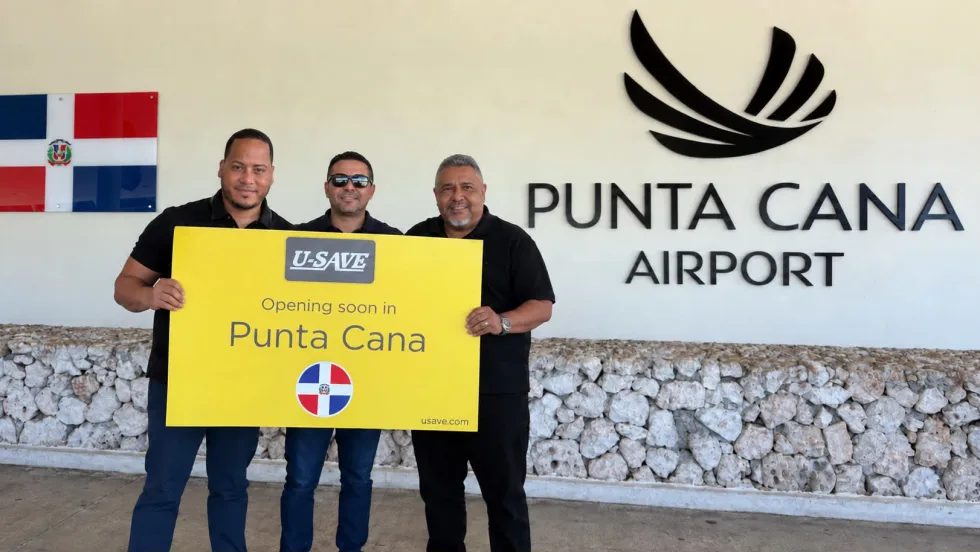
U-Save Continues Dominican Republic Expansion with Launch in Punta Cana
The new franchise location builds on U-Save’s existing Santo Domingo operation and will begin taking reservations for October 2026.
Read More →
When AI Books the Rental Car, Who Controls the Sale?
As AI moves from comparing rental rates to completing transactions, operators need to understand how travelers find, interpret, rank, and ultimately see their offers. (Part 2 of 2.)
Read More →