




Related: Electric Vehicle Carsharing Fleet to Launch in New Zealand
Intelligent Dynamic Pricing: New Zealand Tourism’s New Battleground
Andrew Pascoe, chief executive for MarginFuel, illustrates how New Zealand's tourism industry could benefit by strategic use of dynamic pricing.
by Andrew Pascoe
February 21, 2018
Logo: MarginFuel
4 min to read
Logo: MarginFuel
Andrew Pascoe, chief executive for MarginFuel, a cloud-based price optimization software, explains the pricing market in New Zealand’s car rental market and the opportunities in implementing dynamic pricing.
Dynamic pricing is a global megatrend and is standard pricing practice in many industries, with Amazon and Uber being two well-known business models. The use of dynamic pricing is estimated to grow at a Compound Annual Growth Rate of 20% between 2017 and 2021.
Consumers now accept, and often expect, prices to fluctuate depending on a number of factors, such as deals for early bookings and premium pricing for convenience and flexibility. Businesses also have the opportunity to ensure their price includes elements which are important to them, such as brand proposition and market proposition. Combining both consumer and business elements means that dynamic pricing can work for everybody, importantly avoiding the "race to the bottom."
In tourism, dynamic pricing has been reported to deliver annual revenue increases of between 5% and 10% through accurate adoption. Traditionally considered by most tourism operators to be the domain of large airlines and hotel chains, and outside the scope of mid-sized and smaller tourism operations, this view is rapidly changing.
Consumers are now in the driver’s seat with transparent pricing and value-set choices available across competitors and, importantly, across online travel agencies and aggregators. Technology now allows tourism operators to update prices across channels quickly and easily at scale, with operators able to update thousands of prices in minutes. These key environmental and technological advances mean that the tourism revenue game is increasingly being played with a market-place lens; pricing is fast becoming the battleground for success.
In New Zealand, tourism operators have been enjoying substantial growth due to large increases in visitor arrivals, along with innovative branding and business practices. To some degree this growth has masked the need for more sophisticated pricing technologies and, additionally, investment has been concentrated into building product to take advantage of this increase in demand, rather than in developing sophisticated pricing practices.
Increasingly, innovative tourism operators are now seeing the next step in revenue growth, one based on investment in accurate dynamic pricing and revenue management technologies. THL, for example, have listed revenue management as a key strategy over the next year and beyond. As is the case in global markets, investment in these technologies is core to surviving and flourishing in the years ahead.
New Zealand tourism operators are ideally suited to take advantage of dynamic pricing to increase revenue. Operators who have most of the following characteristics are able to make significant revenue gains via dynamic pricing:
Fluctuating demand: Demand spikes across times, dates, and seasons allowing operators to take advantage of yield opportunities in high demand times, and demand stimulation in lower demand periods
Advanced bookings: an ability to forecast demand patterns to anticipate best pricing for future periods
Limited capacity: allowing revenue maximization where demand (and forecast demand) is higher than supply
Perishable inventory: if units of inventory are not sold, the opportunity to sell is gone
Customer choice: the ability for customers to choose prices across competitors and channels
Technology solutions: allowing the ability to update prices often and at scale.
While the above characteristics form the foundation for taking advantage of dynamic pricing, in reality it can be hard to manage and optimise. A large car rental company for example, can have over 1 million price points ‘live’ at any given time in New Zealand. These prices are also subject to dynamic changes from competitors. Efficient management is extremely difficult, and revenue and profit gains next to impossible, without the right systems and approach. Smaller operators also have many prices to manage: across future dates, and different products, customers, and channels.
Fortunately, there are business processes and systems in place that can manage and optimise these prices at scale, and generate significant returns on investment. The experiences of customers successfully implementing dynamic pricing generally consist of three core elements: a business mindset and culture that acknowledges and embraces the dynamic nature of pricing and views distribution from a ‘market place’ lens with the customer firmly in control; people that understand markets and the dynamic nature of the industry; and systems that allow clear and up-to-date marketplace knowledge, the ability to forecast demand accurately, with the ability to update and optimise prices often and at scale.
The time of dynamic pricing is now, for New Zealand tourism operators of any size.
Subscribe to Our Newsletter
More Rental Operations

How Better Cleaning Processes Improve Rental Fleet Efficiency
A consistent approach to vehicle cleaning helps rental operators reduce turnaround delays and return vehicles to service without compromising cleanliness.
Read More →
Clean on Paper: Red Flags in Exotic Car Rental Verification
A suspicious $45,000 Lamborghini booking reveals the strengths and limitations of renter verification, from forged insurance documents to coverage gaps and unauthorized drivers. (Part 2 of 3)
Read More →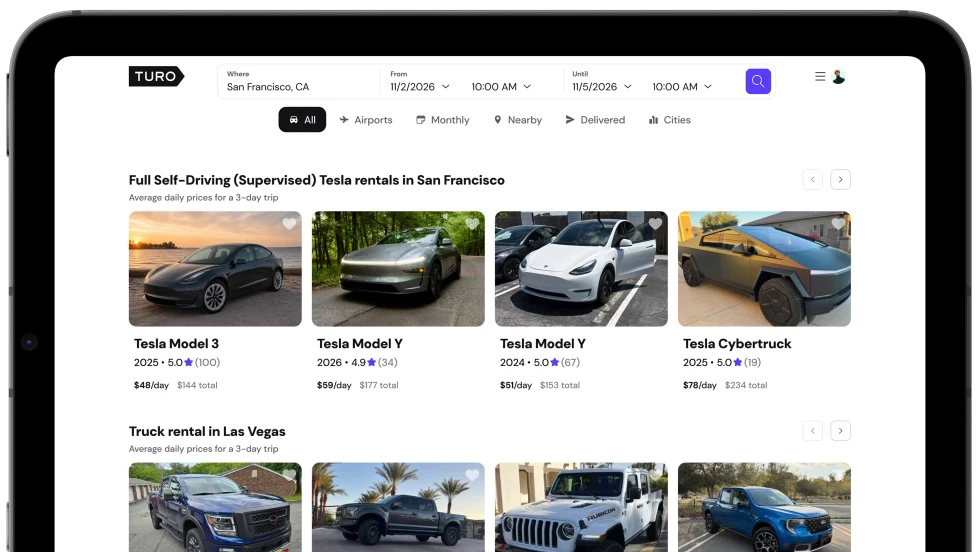
Turo and Tesla Take the Next Step Toward Autonomous Car Rentals
The partnership brings Tesla's Full Self-Driving (Supervised) technology into the rental experience, offering a glimpse of how increasingly automated vehicles could change car rental.
Read More →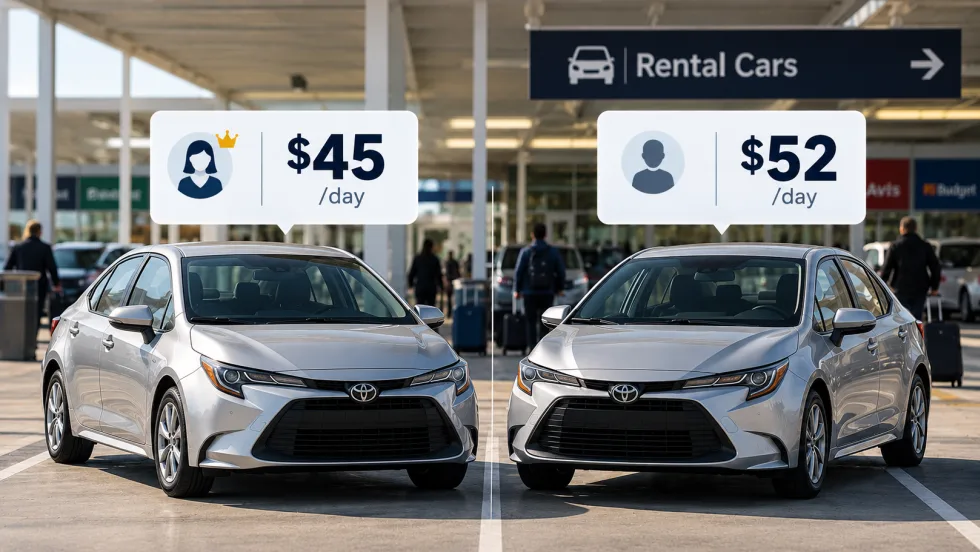
How Rental Operators Can Navigate Personalized Pricing Rules
As regulators scrutinize the use of customer data in pricing, rental operators need to know whether they can explain why one renter pays more than another.
Read More →
Direct, Broker or Hybrid? How Travel Retailers Source Rental Cars
As travel retailers weigh direct supplier relationships against third-party distribution, rental operators need to understand how those decisions affect their business.
Read More →
How Did This Independent Rental Operator Grow to 170 Vehicles in 4 Years?
With 170 vehicles across three Kentucky locations, Joel Price relies on an overseas team to handle reservations, payments, and after-hours customer service. It's one part of an unconventional approach to growing an independent rental operation.
Read More →
What Does It Take to Succeed in B2B Rentals?
The fundamentals may be familiar to daily car rental operators, but project-based truck rentals put different demands on the fleet and the business.
Read More →
NPR Builds on International Partnerships to Grow Rental Bookings
With Ana Laborde supporting broker development, NPR Auto Group is tailoring distribution strategies, rate packages, and partnerships to grow international reservations across its three brands.
Read More →
Advantage, Sixt Place Among Top Five in Annual Satisfaction Study
While Enterprise and National retain the top spots in JD Power’s 2026 rankings, the latest customer satisfaction results suggest renters can find competitive service beyond the biggest car rental names.
Read More →
The $100,000 Insurance Trap in Exotic Car Rentals
Exotic rental agencies often rely on customers’ personal auto policies to protect six-figure vehicles. But policy language can dramatically change the coverage for vehicles over $100,000 MSRP.
Read More →