


Via Provides First-, Last-Mile Mobility for LA Metro
Using the Via app, or a dedicated phone line for users without access to a smartphone, passengers in the three pilot zones will select their pickup and drop-off locations and confirm their ride.

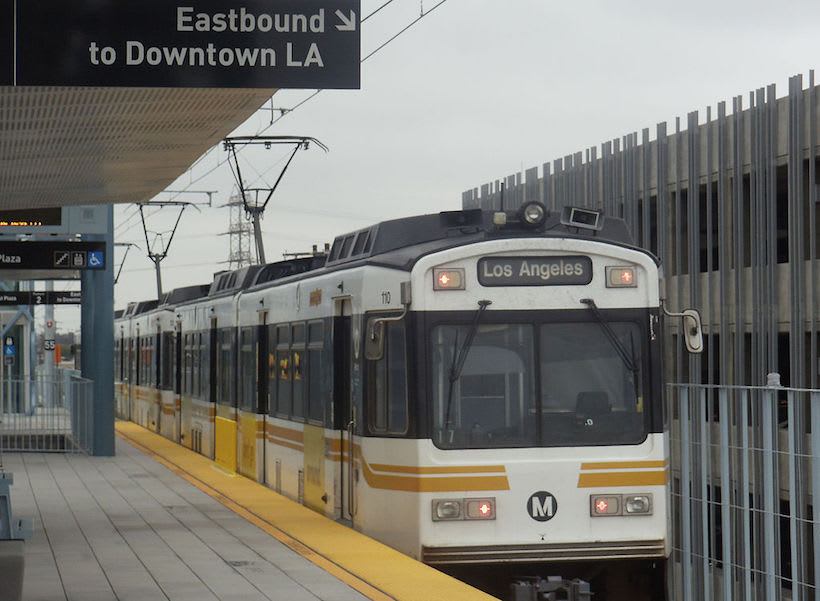
The service utilizes Via’s algorithm to dynamically route shared vehicles to-and-from three busy Metro stations — Compton (Artesia), El Monte, and North Hollywood.
Photo via METRO96/Wikimedia.
Via, a leading developer of on-demand shared transit solutions, and the Los Angeles County Metropolitan Transportation Authority (Metro), have launched a pilot program that provides first-and-last mile solutions for public transportation in Los Angeles County.
The service utilizes Via’s algorithm to dynamically route shared vehicles to-and-from three busy Metro stations — Compton (Artesia), El Monte, and North Hollywood. The value of the year-long pilot between Via and Metro is $2.5 million, which is funded in part by a $1.35 million grant from the Federal Transit Administration.
“Many Metro users face a challenge getting from home to station and vice versa,” L.A. County Supervisor and Metro Board Chair Sheila Kuehl said in a statement. “They need a quick, easy, and inexpensive door-to-door solution and this new pilot is one to consider.”
How it works:
Using the Via app, or a dedicated phone line for users without access to a smartphone, passengers in the three pilot zones will select their pickup and drop-off locations and confirm their ride. All trips must start or end at the Metro station in the zone.
Via’s smart algorithm enables multiple riders to seamlessly share a single vehicle by directing passengers to a nearby corner — a virtual bus stop — allowing for quick and efficient shared trips without lengthy detours that take riders out of their way. This enables Via’s system to transport a high volume of passengers while using a fraction of the number of vehicles utilized by taxis or on-demand car services.
A standard trip costs just $1.75 for riders with a TAP card. LIFE participants — Metro’s low-income fare subsidy program — will ride for free. Those who do not provide a TAP number during account registration will ride for $3.75.
Metro designed the pilot to explore how dynamic, on-demand transportation technology can solve a range of mobility challenges. The main goal of the pilot is to extend the benefits of traditional on-demand services to a wider audience by making the service affordable, equitable and accessible.
Via accepts credit, debit, or pre-paid cards for unbanked riders. Rides can be booked through Via’s app or call center for riders without smartphones, also providing translation services for non-English speakers. Passengers with additional mobility needs will be able to request an accessible vehicle.
The partnership with Metro follows on the heels of several new deployments of Via’s technology around the world. From Singapore, where Via recently launched a dynamic, on-demand public bus service in partnership with the Land Transportation Authority, to Arlington, Texas, where the city replaced its fixed bus line with a fleet of Via’s vehicles, Via now powers on-demand mobility in more than 30 markets around the globe.
More Rental Operations

Advantage, Sixt Place Among Top Five in Annual Satisfaction Study
While Enterprise and National retain the top spots in JD Power’s 2026 rankings, the latest customer satisfaction results suggest renters can find competitive service beyond the biggest car rental names.
Read More →
The $100,000 Insurance Trap in Exotic Car Rentals
Exotic rental agencies often rely on customers’ personal auto policies to protect six-figure vehicles. But policy language can dramatically change the coverage for vehicles over $100,000 MSRP.
Read More →
The Booking Is Confirmed, But Is Your Customer Ready to Drive?
For international renters, a confirmed reservation doesn’t always mean they’re eligible to drive. Earlier checks can help operators catch documentation and payment issues before the customer reaches the counter.
Read More →
ICRS 2027 Opens Call for Papers
The International Car Rental Show seeks session proposals on the business, operational, and technology issues facing car rental operators. Submissions are due Jan. 15.
Read More →
Turo to Launch Vehicle Delivery Service
Turo Delivered will let travelers search for vehicles that hosts can deliver directly to hotels, homes, airports, train stations, and other locations.
Read More →
Palm Beach Airport Code Change Creates Car Rental Distribution Gap
A test of rental searches under the old PBI and new DJT airport codes returned largely different sets of brands and vehicles, highlighting a potential distribution problem for rental operators.
Read More →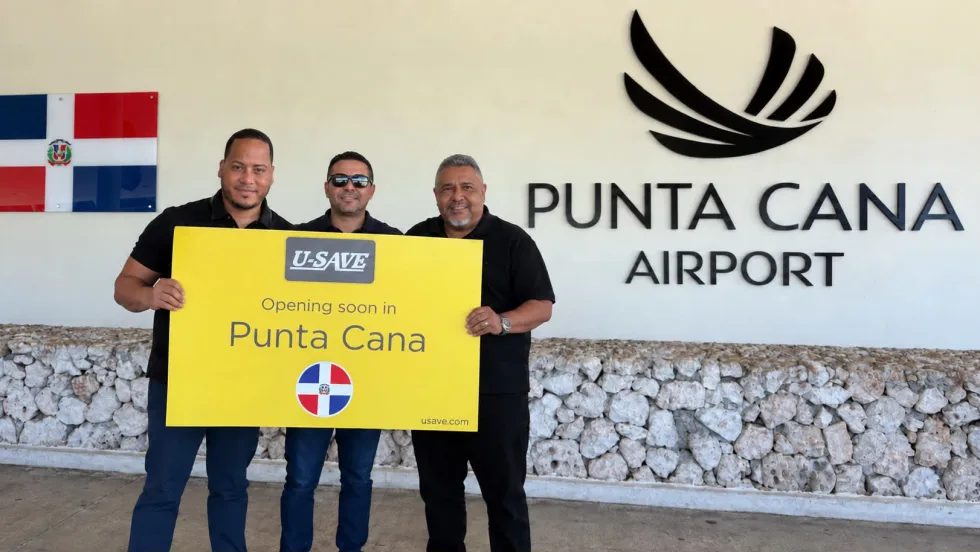
U-Save Continues Dominican Republic Expansion with Launch in Punta Cana
The new franchise location builds on U-Save’s existing Santo Domingo operation and will begin taking reservations for October 2026.
Read More →
When AI Books the Rental Car, Who Controls the Sale?
As AI moves from comparing rental rates to completing transactions, operators need to understand how travelers find, interpret, rank, and ultimately see their offers. (Part 2 of 2.)
Read More →
European Booked Car Rental Rates Fell 5%, Results Varied by Country
Ireland, Cyprus, and the United Kingdom saw steep declines, while booked rates rose in Poland and Hungary.
Read More →
Is It Time to Rethink Rental Categories?
As traditional economy and compact cars disappear from the market, longtime rental operator Mike DeLorenzo asks whether the industry’s familiar vehicle categories still make sense — and what operators need to rethink along with them.
Read More →