




Zipcar Takes Pulse of American View on Car Ownership
Conducted online by The Harris Poll among over 2,000 U.S. adults, the survey revealed that 70% of American drivers believe a carsharing service is more economical than owning a vehicle.


Transportation is the second-largest household expense, with most budgets devoted to purchasing, operating, and maintaining private vehicles.
Photo via Zipcar.
Most Americans need a car to travel virtually everywhere, but in today’s sharing economy where consumers increasingly pay for access — for movies, music, and clothing — the need to own a car may be a thing of the past, according to a new study comissioned by Zipcar.
Conducted online by The Harris Poll among over 2,000 U.S. adults, the survey revealed that 70% of American drivers believe a carsharing service is more economical than owning a vehicle. Roughly seven in 10 urban (69%) and suburban (72%) drivers across the country agreed that carsharing services are more economical than owning a vehicle. This sentiment spans across drivers of all generations — 65% of Gen Z, 73% of Millennials, 68% of Gen X, and 69% of Boomers.
Transportation is the second-largest household expense, with most budgets devoted to purchasing, operating, and maintaining private vehicles. Yet, over one-third of American drivers (37%) admit they own a car that is not driven often. Previous studies have found that the average car sits idle, parked as much as 95% of the time.
More than six in 10 American drivers (67%) believe that only paying for a car when they need it (e.g., for commuting, shopping, or visiting family), would create newfound freedom to spend money on other things they want such as entertainment, clothing, or a vacation. American drivers across household incomes, from those making less than $50,000 (69%) to those making $100,000 or more (63%), upheld this belief.
With parking, insurance, gas, and maintenance provided, Zipcar reports its members spend less per month ($300 average) on transportation by paying per trip compared to the monthly cost ($737 average) to own a personal vehicle that may go unused. With extra cash in members’ pockets, Zipcar reports saving its membership approximately $5.2 billion a year, in addition to the the time associated with owning a car.
Fewer Personally Owned Cars Impacts Roads Nationwide
Owning a car may not only burn a hole in the pockets of car-owners nationwide but also can contribute to societal and environmental issues in the form of traffic. Nearly three-quarters of Americans — across genders, ages, incomes, generations, and regions — reported being frustrated with the amount of traffic congestion in their area (72%) and believe that if there were fewer cars on the road, there would be more opportunity to enjoy doing things in cities (73%).
Traffic decreases when less personally-owned cars are on the roadr. Zipcar claims that for every one Zipcar, up to 13 personally-owned vehicles are taken off the road.
Additionally, according to Zipcar, carsharing drivers directly contribute to a world where cities are easier and more enjoyable to live in by:
Driving 40% fewer miles than before joining a carsharing network
Biking, using public transit, or walking the same or more after joining Zipcar (40% bike, 70% transit, 80% walk)
Eliminating their personally-owned vehicle after joining Zipcar (54% of Zipcar members)
More Green Fleet

Fleet Forward Conference Introduces One-Day Passes for 2026
New one-day registration gives fleet professionals the flexibility to attend Tuesday, Wednesday, or Thursday, with passes available for $199 through Sept. 18.
Read More →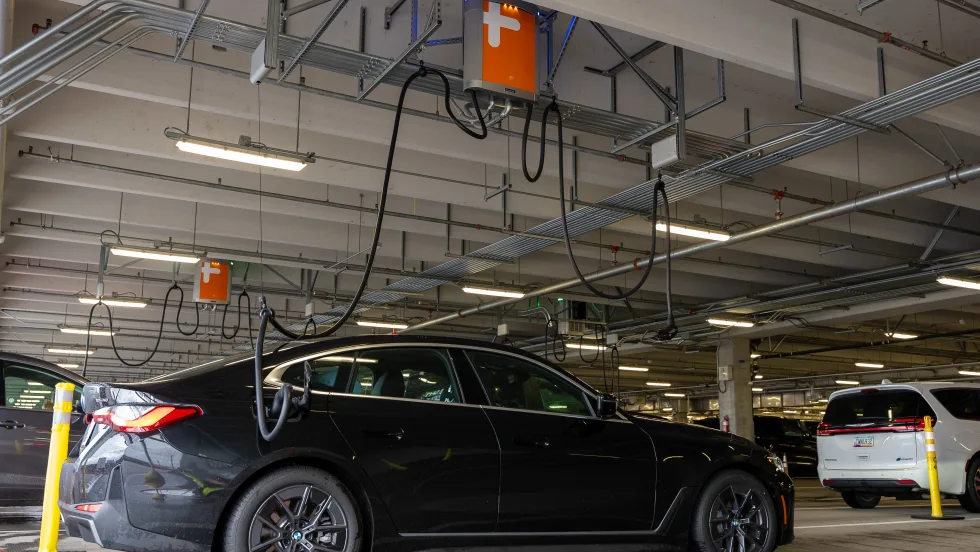
Portland Airport Adds Overhead EV Charging for Rental Fleets
The design is intended to address challenges associated with installing chargers in busy rental-car facilities.
Read More →
Running A Profitable Electric Rental Fleet
How do you successfully operate an all-electric rental car fleet? Whether you manage a rental fleet or another commercial fleet, this conversation offers practical lessons on deploying, operating, and scaling electric vehicles.
Read More →
Green Motion Expands Into Japan With Master Franchise Agreement
Japan's tourism industry, business travel market, and demand for vehicle rental services are reasons the country represents an important market for the company.
Read More →
Green Motion Expands Its African Presence with Mozambique Launch
This new rental car outlet reflects the growing demand for reliable transportation and the emphasis on sustainable travel across the continent.
Read More →
Survey: New Tech Tools, Sharper Pricing Plans, and Focused Service Can Improve Rental Car Industry
ICRS 2025: What are key trends, challenges, and opportunities confronting rental car operators this year?
Read More →
Green Motion Adds South Korea to Its Asian Service Region
The first Green Motion locations in South Korea are scheduled to open in key travel hubs during the coming months, including Seoul, Jeju, and Busan International Airports.
Read More →
Federal Highway Administration Halts EV Charger Funding, Delaying National Expansion Plans
The FHWA has rescinded funding for the NEVI Formula Program, delaying nationwide EV expansion as policies undergo federal review.
Read More →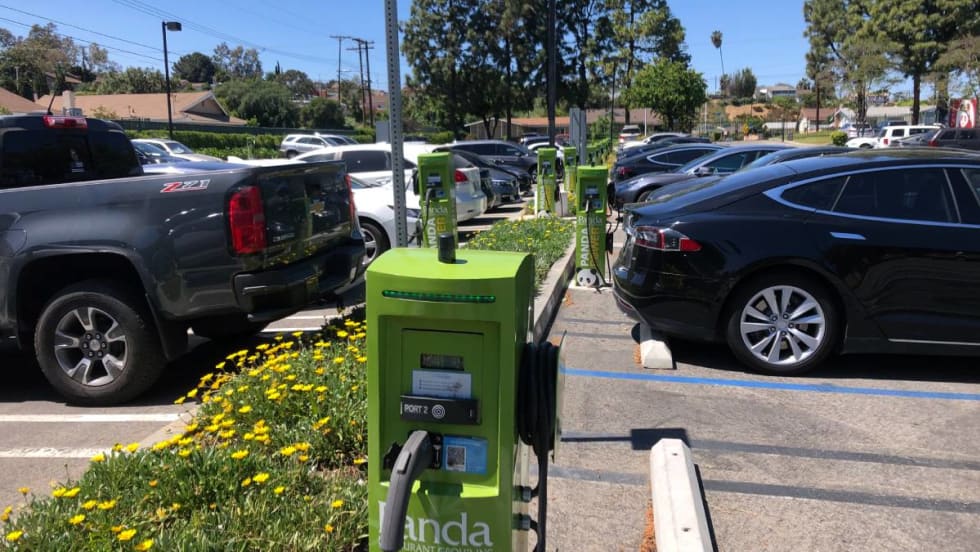
Operator Outlook: EVs Slow to Charm Rental Car Industry
2025 ARN Fact Book: Electric vehicles still must prove their reliability and worth in a fleet sector that puts rolling metal on the ground 24/7 for a demanding customer base.
Read More →
Green Motion Opens Franchise in Germany’s Most Populous State
The rental car outlet brings its hybrid and electric vehicles and sustainable approach to business to one of Europe’s most economically powerful regions.
Read More →