Recent customer complaints, class action claims, and legislation regarding car rental electronic toll collections raise the need for best practices when it comes to education and disclosures.
by Leslie J. Pujo and Wesley D. Hurst
November 16, 2017
@GETTYIMAGES.COM/LALOCRACIO
7 min to read
@GETTYIMAGES.COM/LALOCRACIO
A renter scrutinizes his credit card bill and notices a $50 charge from an unfamiliar company. Upon further review, the renter discovers that the charge was made by a toll processing company and is related to the car he rented during a recent family vacation.
The renter recalls accidentally driving onto a cashless toll road when traveling to a theme park on the first day of the trip, but is shocked to see that he was charged $2.50 for the toll plus a daily toll service fee for each day of the rental — even though he only used the toll road once. The renter doesn’t remember agreeing to the rental company’s toll service and calls the rental company to demand a refund.
Ad Loading...
Technology Trends
The renter’s confusion may stem, in part, from recent innovations in both toll collection methods and rental car toll payment processing. If the renter was traveling on the same toll road 30 years ago, he would have stopped at a booth, paid cash, and driven away without giving tolls a second thought.
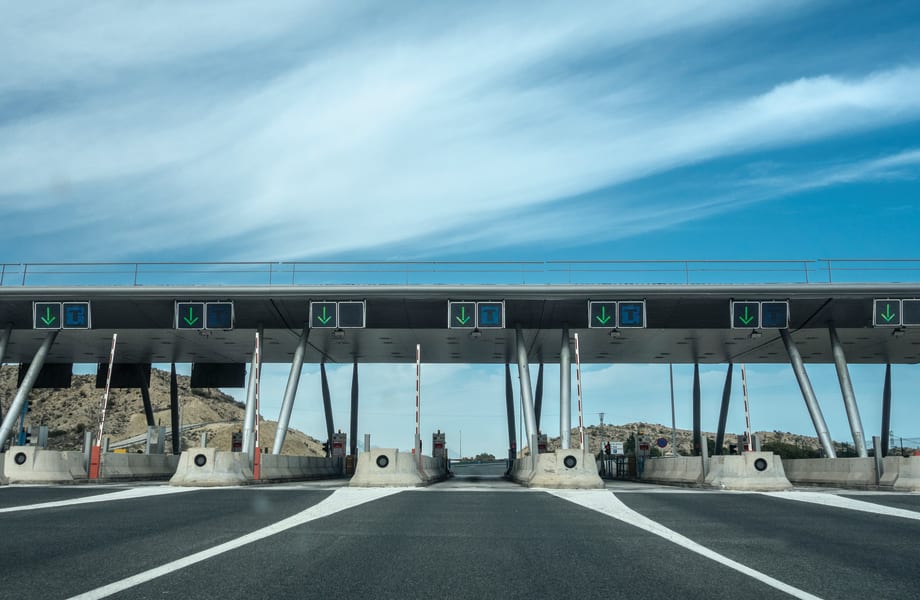
The old toll collection system began to change in 1989 when the Dallas North Tollway implemented electronic toll collection technology (ECT) and became the first cashless toll road in the U.S. Cashless lanes, roads, and bridges are now pervasive in the United States, and many cities and some states (such as Colorado and Washington) have adopted all-electronic tolling (AET) for toll roads. Many toll roads are near airports and popular tourist destinations that are likely to be traveled by rental car customers.
Just as toll authorities have adopted ECT to improve the toll collection process, rental companies have embraced technological innovations in processing toll payments. Traditionally, rental companies have relied on renters to pay tolls in cash as they passed through a toll booth. That process creates cost and administrative burdens on rental companies if renters fail to pay tolls and is becoming obsolete due to the increasing adoption of cashless lanes and roads.
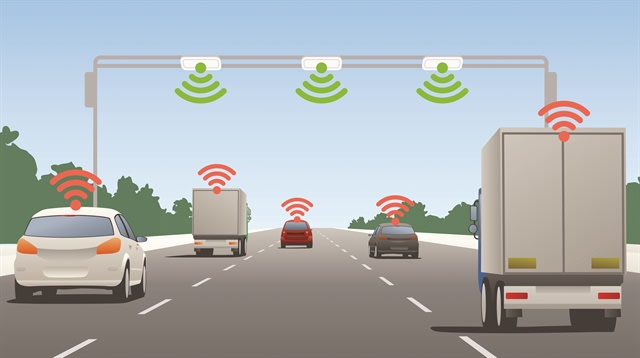
As a result, many rental companies have implemented electronic toll payment systems that are connected to participating toll authorities through the rental company’s (or a third party’s) master account.
In an electronic payment system the renter typically may opt in at the time of rental, paying a daily fee for use of the service. Or, the renter is deemed to opt in (generally at a higher daily fee) if the rental car is driven on a cashless lane or road without having made alternative payment arrangements, such as by using a personal transponder that is accepted on the toll road or paying the toll authority directly.
Ad Loading...
Class Action Claims
One benefit of both ECT and rental car electronic toll payment systems is a more efficient toll road experience for drivers. However, the intersection of cashless toll lanes and rental company electronic payment systems may lead to unhappy customers — and litigation — if they do not fully understand the “rules of the road.”
Over the past few years, several class action claims have been filed against rental companies alleging inadequate disclosure of toll payment terms, failure to disclose use of third parties, unauthorized charges to the customer’s credit card, breach of contract, and similar claims.
@GETTYIMAGES.COM/CHOMBOSAN
For example, in June 2014, Hertz and American Traffic Solutions settled a class action case for more than $11 million. The suit claimed violations of consumer protection laws and breach of contract due to alleged inadequate disclosure of the “Plate Pass” toll program (Doherty and Simonson v. Hertz, 2014 WL 2916494[D.N.J. 2014]).
A Florida Settlement
More recently, the Florida Attorney General conducted an investigation of rental car tolling practices.
Florida has a number of cashless toll roads operated by the state or political subdivisions. Drivers are billed either through a transponder or plate recognition system. Avis Budget Group, like other major rental car companies, offers an electronic toll payment service. The Avis Budget program is called “e-Toll” and operates similar to the process described above.
Ad Loading...
Following consumer complaints that the terms and fees of the e-Toll system were not fully disclosed to renters, and as part of a settlement agreement with the Florida Attorney General’s Office, Avis Budget confirmed that it will “clearly and conspicuously” disclose information about the existence of cashless toll roads in Florida and all the fees and costs of the e-Toll program.
Avis Budget’s settlement agreement with the Attorney General specifies the information that is to be provided to renters and where and how the disclosures are to be made. Avis Budget must disclose (1) that Florida has cashless tolls; (2) that consumers may pay for the tolls with the e-Toll system after passing through toll locations and will be charged a daily fee even if the system is not used (if that continues to be the program); (3) the amount of the fee; and (4) how the charge can be avoided.
Among other disclosure methods, at airport locations, Avis Budget must post signs at rental counters and place flyers on the driver’s seat of a rental vehicle (or other method).
The Golden Gate Complaint
The San Francisco City Attorney has also filed a complaint.
In 2013 the Golden Gate Bridge converted to AET. Although there is no longer an option for motorists to pay their tolls in cash, motorists crossing the Golden Gate Bridge have a number of toll payment options, including establishing a FasTrak account (typically for locals); paying before or after crossing the bridge by email, phone or other method; or paying an invoice mailed to the registered owner of the vehicle after crossing the bridge (based on a license plate recognition system).
Ad Loading...
Hertz offers an alternative option, the Plate Pass Program, through American Traffic Solutions (ATS), which pays the bridge toll and charges the renter’s credit card. The Plate Pass Program costs renters $4.95 per day up to a maximum of $24.75 plus applicable toll charges.
The San Francisco City Attorney filed a lawsuit against Hertz and ATS in early 2017, alleging that consumers are harmed by insufficient disclosure of Plate Pass Program details. As with the Florida Attorney General’s case and other recent litigation over toll payment systems, the core of the allegations against Hertz and ATS is based on the adequacy of the disclosures to renters and whether there are options to reduce or eliminate fees.
In an amended complaint filed in August 2017, the City Attorney claims that renters are not provided adequate disclosure about the Plate Pass Program costs and alternatives, and are charged “high” fees on credit card accounts following the completion of the rental. The City Attorney seeks substantial civil penalties, restitution of fees and costs to renters, and an injunction.
The case will now likely proceed to discovery and potentially motions by the defendants challenging the claims of the City Attorney.
Legislative Actions
The fees charged by car rental companies for processing or paying cashless tolls of renters has also come to the attention of state legislatures. In 2017, Illinois, Massachusetts, and New Jersey all introduced bills that would limit the amounts that rental companies may charge in connection with electronic toll processing systems. None of the bills passed in 2017.
Ad Loading...
Illinois: The Illinois House introduced a bill that would prohibit a rental company from charging a renter a fee that is more than twice the toll amount charged to the rental company’s master account.
Massachusetts: Bills pending in the Massachusetts House and Senate prohibit a rental company from charging more than the actual costs for a toll and the rental company’s good faith estimate of its actual charges to process tolls. In addition, the pending Massachusetts legislation would prohibit rental companies from charging a rental fee for use of an electronic tolling transponder.
New Jersey: A bill was introduced in the New Jersey Assembly to limit the fees for use of a transponder to $2 each day it is used. The bill also states the renter shall not be charged a fee on any day that the driver does not drive through an electronic toll collection system or only drives through a system that does not offer an alternative payment option.
Disclose, Disclose, Disclose!
The majority of complaints and litigation concerning rental company electronic toll payment systems are based on customer claims of surprise and confusion about post-rental charges for tolls and toll service fees.
To help avoid customer complaints and potential litigation, the rental company should thoroughly review its electronic toll disclosure practices.
Ad Loading...
The rental company might consider displaying disclosures about an electronic toll payment system using counter signs or mats, brochures, and/or in-car notices.
Moreover, counter personnel should be able to explain the electronic toll payment system to customers.
Rental Agreement Disclosures
Regarding electronic tolling specific to the written rental agreement, the terms and conditions and a “face page” should disclose the following (to the extent applicable):
Renter responsibility for payment of all tolls and related fees; Identification and authorization of any third-party processors involved with the electronic payment system;
The fact that some tolls and bridges are cashless;
Details about the fees and conditions of the rental company’s electronic payment system, including whether a daily fee is charged for each day of the rental (even if a toll is not used) and whether the renter will be charged the daily fee plus incurred tolls;
Consequences of traveling on a cashless lane without making alternative payment arrangements;
Possibility of avoiding toll roads by planning an alternative route; and
Renter’s authorization of sharing of personal information with toll authorities and third-party toll processors, as well as authorization for the rental company (or third-party processor) to charge the renter’s credit card for payment of tolls, daily service fees, taxes, and other related fees and charges.
About the Authors
Leslie J. Pujo is an attorney with Plave Koch PLC in Reston, Virginia, and is experienced in vehicle rental law. She can be reached lpujo@plavekoch.com. Wesley D. Hurst is an attorney in the Los Angeles office of Polsinelli with substantial experience in rental car company litigation and representation. He can be reached at whurst@polsinelli.com.
A court-approved ADA settlement requires Hertz to add dedicated hand-control minivans, expand reservation access, and, when necessary, offer the least expensive vehicle capable of accepting hand controls.
In a case brought by the American Car Rental Association on behalf of the rental industry, the 10th Circuit ruled that Colorado’s congestion impact fee falls on renters — not rental companies — and can remain in effect.
Angry car renters are storming social media, the mainstream media, and online ratings platforms to complain about charges they claim are either unfounded or excessive.
The American Vehicle Owners Alliance (AVOA) recently announced its partnership with the American Automotive Leasing Association (AALA) and the National League of Cities (NLC).