




Register for the 2022 Car Rental Show, April 24-26 at the Paris Las Vegas
Defining Your Contactless Rental Strategy
Breaking away from traditional service at the counter can create a more efficient rental process. Experts share insights on new tools to facilitate on-demand rentals and how to make this new system function smoothly for staff and customers.
October 21, 2021
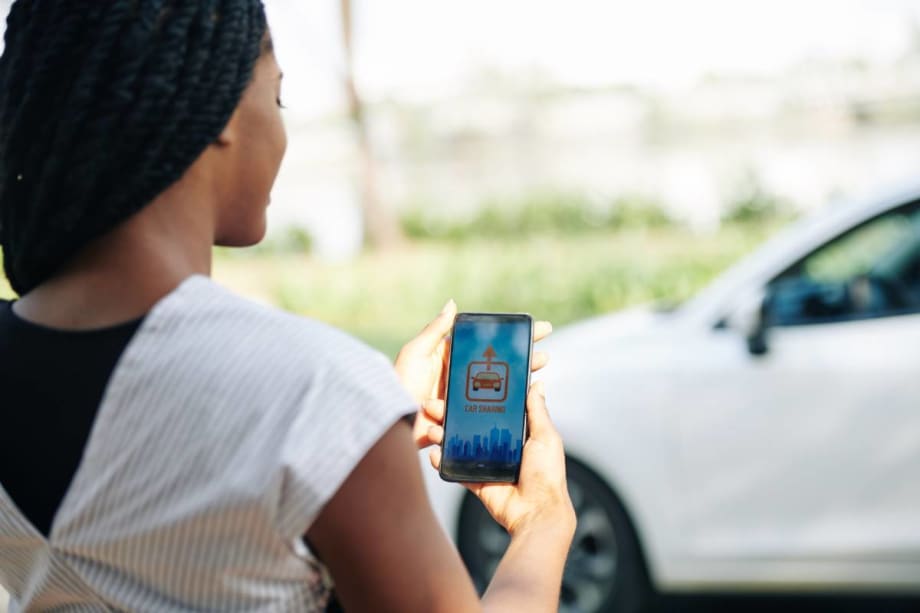
The pivot to contactless payment and rental agreements thanks to the pandemic found some rental fleets reporting increased customer satisfaction and ancillary sales as a result.
Photo via DragonImages
4 min to read
As on-demand and app-based rental services expand, how can car rental companies break away from the queue and traditional service at the counter? Using phone technology and app-based procedures can help create a more efficient and fluid rental process for the customer.
At the recent International Car Rental Show seminar, a panel of experts shared insight on new tools and techniques to facilitate on-demand rentals as well as tips on how to make this new system function seamlessly for customers and staff.
Increased Interest in Contactless
For many companies, the COVID-19 pandemic sped up the process to switch to more “contactless” strategies.
“When we look at the word ‘contactless,’ it’s how do I physically get the customer to sign a rental agreement without getting within six feet of me or touching my e-signature pad if I have customers coming to the counter?” said Shawn Concannon, executive vice president of TSD Rental, provider of rental software.
Staff shortages resulting from the pandemic have also led to more operators looking into contactless options.
“As we struggled through the difficult pandemic period, the appetite from independent operators to have a contactless functionality within their business only grew, certainly as they reduced staff headcount to operate in the socially distant manner and adhere to all the Covid-19 safety principles,” said Chay Lowden, chief product officer of Move Mee, provider of a contactless car rental management platform.
NP Franchise Group has recently started to implement contactless procedures to help manage the fleet and its customers. To rent a vehicle, customers currently have the choice to go the traditional route or the contactless route.
“Our customers want to be able to decide for themselves,” said Jon Dill, director of global franchise and affiliate development at NP Franchise Group. “Some of our customers want to do the traditional rental process because that’s what they’re comfortable with. And our younger demographics like being able to reserve a car, find their car, and pay for their car all on their phone without having to see or touch anything else.”
So far, Move Mee has seen positive customer experience from its rental company partners using the contactless process. On average, these companies have seen an increase of 40% to 60% in their CSI (customer satisfaction index) for customers that went through the contactless process compared to those who went through the standard rental process, according to Lowden.
Growth in Ancillary Revenues
If a rental agent isn’t talking to a customer face to face, how do ancillary sales happen? What is the customer experience like in the digital environment?
When online, rental companies have multiple opportunities to sell ancillary items to customers.
"When a rental agent has a customer in front of them at the counter, a customer only has 30 seconds to decide on that message,” said Concannon. “The different touchpoints to upsell ancillary items digitally allows customers to feel like it’s their own decision, and it can evolve into a decision of positivity.”
So far, Move Mee has seen a positive customer experience online, leading to higher ancillary sales profits.
“We’re seeing that the upsell rates on all ancillary products, not only insurance, are double compared to those partners who sell at the counter,” said Lowden. “We’re seeing double the revenue on digital sales versus those done through the traditional experience at the rental counter. We think it’s due to more than one opportunity to sell and the customers feeling like they are choosing. When they think they’ve made that decision, they feel good about it rather than the agent just talked me into spending $100 extra at the counter.”
How to Set Up the Process
How does a rental company focus on making the contactless process happen from an operational standpoint?
To Concannon, it comes down to building a good operational plan and practicing it. “We have found that our initial contactless agreements have needed a lot of operator involvement and a lot of tweaks to make it work. Additionally, if the technology breaks down, a company will need staff to be able to help along the way and guide customers through the process.”
The movement to a contactless experience won’t happen overnight. It’s going to grow overtime, but it starts with making sure that all staff members are on board.
“Make sure that your staff knows that their jobs aren’t in jeopardy,” said Dill. “They might have a different kind of job, but their employment is still sound.”
“When we first launched Move Mee, some pilot locations had resistance from their staff to assist customers because they felt that their jobs were at risk,” said Lowden. “Companies need to reiterate that staff members still have their place in this new process. Operational assistance from the staff on the ground can help those customers that may struggle with a contactless experience.”
Missed the session? Rewatch "Breaking the Queue: New Strategies for More Efficient Car Rentals" online!
Subscribe to Our Newsletter
More Rental Operations

What Does It Take to Succeed in B2B Rentals?
The fundamentals may be familiar to daily car rental operators, but project-based truck rentals put different demands on the fleet and the business.
Read More →
NPR Builds on International Partnerships to Grow Rental Bookings
With Ana Laborde supporting broker development, NPR Auto Group is tailoring distribution strategies, rate packages, and partnerships to grow international reservations across its three brands.
Read More →
Advantage, Sixt Place Among Top Five in Annual Satisfaction Study
While Enterprise and National retain the top spots in JD Power’s 2026 rankings, the latest customer satisfaction results suggest renters can find competitive service beyond the biggest car rental names.
Read More →
The $100,000 Insurance Trap in Exotic Car Rentals
Exotic rental agencies often rely on customers’ personal auto policies to protect six-figure vehicles. But policy language can dramatically change the coverage for vehicles over $100,000 MSRP.
Read More →
The Booking Is Confirmed, But Is Your Customer Ready to Drive?
For international renters, a confirmed reservation doesn’t always mean they’re eligible to drive. Earlier checks can help operators catch documentation and payment issues before the customer reaches the counter.
Read More →
ICRS 2027 Opens Call for Papers
The International Car Rental Show seeks session proposals on the business, operational, and technology issues facing car rental operators. Submissions are due Jan. 15.
Read More →
Turo to Launch Vehicle Delivery Service
Turo Delivered will let travelers search for vehicles that hosts can deliver directly to hotels, homes, airports, train stations, and other locations.
Read More →
Palm Beach Airport Code Change Creates Car Rental Distribution Gap
A test of rental searches under the old PBI and new DJT airport codes returned largely different sets of brands and vehicles, highlighting a potential distribution problem for rental operators.
Read More →
U-Save Continues Dominican Republic Expansion with Launch in Punta Cana
The new franchise location builds on U-Save’s existing Santo Domingo operation and will begin taking reservations for October 2026.
Read More →
When AI Books the Rental Car, Who Controls the Sale?
As AI moves from comparing rental rates to completing transactions, operators need to understand how travelers find, interpret, rank, and ultimately see their offers. (Part 2 of 2.)
Read More →