




House Subcommittee Holds Hearing on Bill to End Discriminatory Car Rental Taxes
H.R. 4175 prohibits states or local governments from levying or collecting a discriminatory tax on motor vehicle rentals.

The House Judiciary Subcommittee on Commercial and Administrative Law (CAL), held a hearing on June 16 regarding the "End Discriminatory State Taxes for Automobile Renters Act of 2009 (H.R. 4175)," authored by Rep. Rick Boucher (D-Va.).
The bill prohibits states or local governments from levying or collecting a discriminatory tax on the rental of motor vehicles, motor vehicle rental businesses, or motor vehicle rental property. A discriminatory tax is defined as a tax or tax assessment that is applicable to the rental of motor vehicles or motor vehicle businesses or property, but not to the majority of other rentals of tangible personal property within a state or locality.
Along with all car rental companies, the bill has support from a broad coalition of groups and associations, including those representing car and truck rental, automobile dealers, travel agents, insurers, consumer protection groups and business travelers, as well as the American Automotive Policy Council, which represents Chrysler, Ford and General Motors.
"During these tough economic times, state and local governments are looking to raise revenue," said Congressman Steve Cohen (D-Tenn.), chair of the House subcommittee. "But there is no place for discriminatory taxes in business. The testimony provided by our witnesses will go a long way toward helping us in Congress navigate this complicated issue."
Proponents of the bill pointed out that as of February 2010, 43 states and the District of Columbia have imposed 118 excise taxes on car rentals, eight times the number of these taxes that existed in 1990. Some 35 sports stadiums, a performing arts center and a culinary institute have been funded with car rental taxes. Industry research indicates that rental car customers have spent more than $7.5 billion in taxes to fund the pet projects of elected officials.
Sally Greenberg, executive director of the National Consumers League (NCL), testified that her home state of Minnesota is considering levying a 2.5 percent tax on rental cars to finance a new $1 billion-dollar stadium for the Minnesota Vikings.
"NCL understands the importance of citizens paying her or his share of taxes to provide critical services that we all rely on, for our schools, hospitals, libraries, clean water and safe roadways," said Greenberg. "But when rental car customers are asked to pay for stadiums or arts centers and the taxes imposed seem to have no limit, it's time to say, 'enough is enough!'"
Greenberg addressed numerous points in a June 2010 study conducted by the Brattle Group, a consulting group commissioned by the car rental industry. The study found that car rental excise taxes are not predominantly taxing out-of-town travelers, as 54 percent of the industry's revenues come from "home cities" rentals. The study also concludes that these taxes burden a disproportionate number of low income and minority households that rely on rentals for transportation.
"These social costs are too high. The taxes frequently fund projects that are completely unrelated to car rentals," said Rep. Boucher.
Timothy Firestine, chief administrative officer of Montgomery County, Md. spoke in opposition to the bill.
"[H.R. 4175's] preemption of the ability of states and localities to make their own determinations regarding the appropriate taxation of businesses ... represents an unwarranted federal intrusion into the long-recognized authority of local and state governments to make tax classifications and opens the door to unprecedented federal control and oversight of local and state tax authority."
Firestine is joined in opposition by the National League of Cities, the National Association of Counties, the U.S. Conference of Mayors and the Government Finance Officers Association.
Ray Wagner, vice president of government and public affairs for Enterprise Holdings, testified that Congress has prohibited the imposition of local taxes that discriminate on bus, airline and train transportation. "This legislation is an entirely appropriate complement to those existing laws," said Wagner. "The rental car industry is not seeking a handout. We simply want local governments to take their hands out of our customers' pockets, and treat our customers like those of most other industries."
More Legal & Legislative

Hertz Settlement Expands Hand-Control Rental Vehicle Availability
A court-approved ADA settlement requires Hertz to add dedicated hand-control minivans, expand reservation access, and, when necessary, offer the least expensive vehicle capable of accepting hand controls.
Read More →
Federal Appeals Court Upholds Colorado’s $3 Rental Car Fee
In a case brought by the American Car Rental Association on behalf of the rental industry, the 10th Circuit ruled that Colorado’s congestion impact fee falls on renters — not rental companies — and can remain in effect.
Read More →
ACRA Carrying Fuller Industry Load As AI and EVs Lurk In Future
The leading car rental professional business group details an active legislative, regulatory, and macro-trends agenda affecting car rental operators.
Read More →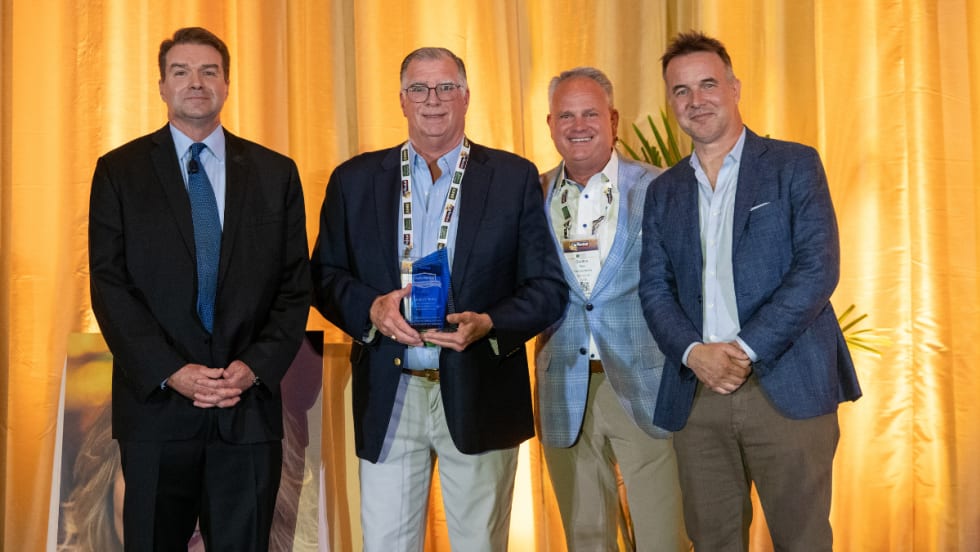
Government Affairs Executive Wins Leading Rental Car Industry Award
Robert Muhs started in the car rental industry with Avis Budget Group two years before the first International Car Rental Show.
Read More →
Using AI To Find Rental Car Damage
Angry car renters are storming social media, the mainstream media, and online ratings platforms to complain about charges they claim are either unfounded or excessive.
Read More →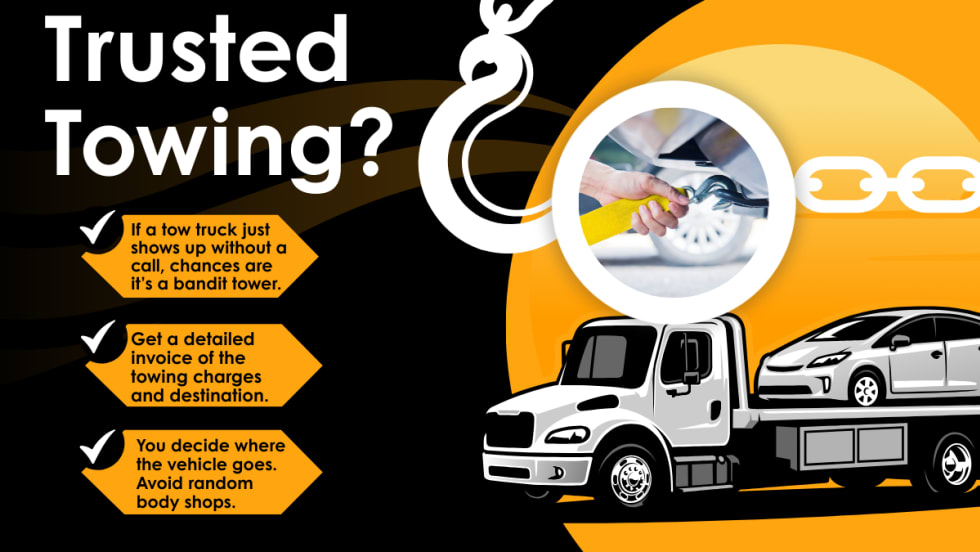
Bandit Towing A Tough Road For Car Rental Companies
Operators often must spend far too much time and resources trying to recoup rental cars towed away and held hostage to outrageously high fees.
Read More →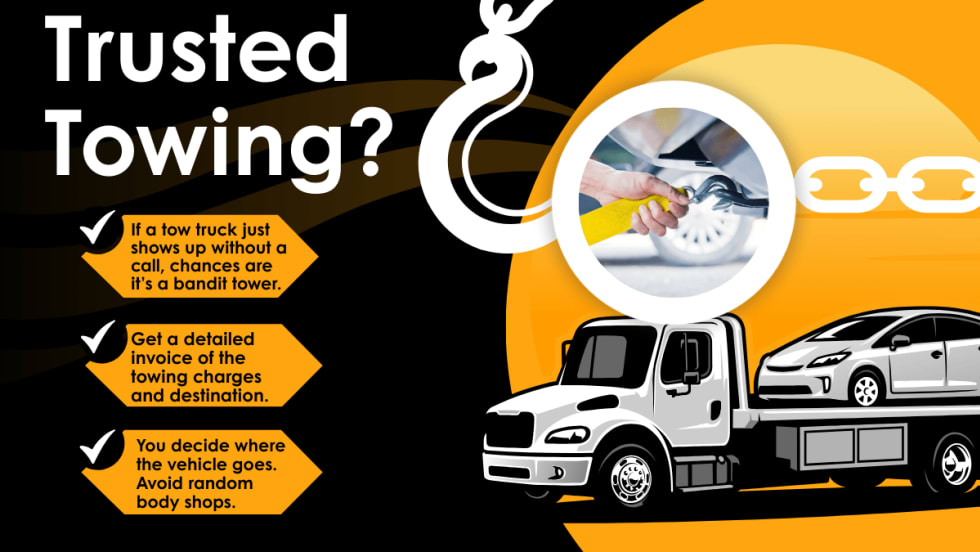
Bandit Towing A Tough Road For Car Rental Companies
Operators often must spend far too much time and resources trying to recoup rental cars towed away and held hostage to outrageously high fees.
Read More →
ACRA: Spurring Car Rental Industry Success
The American Car Rental Association scored more access and influence in 2025 as it grows its services for car rental operators.
Read More →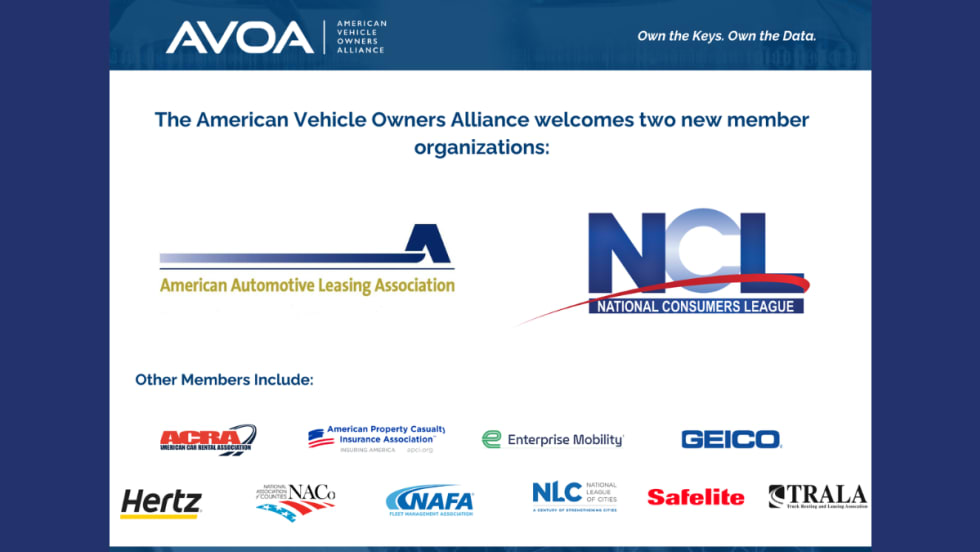
AVOA Partners with AALA and NLC
The American Vehicle Owners Alliance (AVOA) recently announced its partnership with the American Automotive Leasing Association (AALA) and the National League of Cities (NLC).
Read More →
ACRA Takes Bold Strides On Capitol Hill
The American Car Rental Association’s annual legislative and lobbying event upped the face time with and access to members of Congress.
Read More →