



Local Market Revenue Grows Past Airport
Since the birth of car rental, the airport market was the primary breadwinner for the industry. In fact, for many years, a local market scarcely existed. When it did, its earnings were just a fraction of the revenue that the airport locations brought in each year.
Since the birth of car rental, the airport market was the primary breadwinner for the industry. In fact, for many years, a local market scarcely existed. When it did, its earnings were just a fraction of the revenue that the airport locations brought in each year. But apparently things have changed; it’s now a two-income household, and the home-city market just got a raise.
In a presentation at the PhoCusWright Executive Conference in Orlando in mid-November last year, Joseph Nothwang, Hertz’s executive vice president and president of vehicle rental and leasing in the Americas and Pacific, revealed that the local market had a $9 billion share in a $17 billion market in 2004.
With those numbers, that leaves the airport market with $8 billion in revenue for the year and $1 billion less than its local counterpart. Although the figures published in the Auto Rental News 2006 Fact Book differ slightly — total market revenue for 2004 was $17.6 billion — the conclusion is the same: The local market now edges the airport in total revenue.
Enterprise also confirms that the home-city segment is larger than the airport market. In addition, our research indicates that the home city market is actually closer to $9.5 billion, with the airport market at approximately $8.1 billion in revenue. But it’s not the numbers alone that are eye-popping, it’s the market growth, as well.
In its 1994 Fact Book, Auto Rental News reported that the local market had a mere $2.52 billion share of a $10.7 billion market in 1991, while the airport had earnings hovering around $8.1 billion — a familiar number in 2004. That’s not to say that the airport market hasn’t seen growth, as well, but its business was hampered after the Sept. 11 terrorists attacks and the resulting dip in air travel and tourism.
Still, the local market has caught up with, and surpassed, the airport market. Replacement rentals are a factor, but there is another trend that could be responsible. “What you’re seeing is that the American consumer is using rental cars in their home city for many needs well beyond replacement — for corporate needs, driving vacations, an extra car, a different kind of car,” said Patrick Farrell, vice president of corporate communications for Enterprise.
In the ‘60s, a local market barely existed for the rental car industry. That’s why, according to Farrell, the current market share is so interesting — because the industry has grown a second leg that is as large and financially powerful as the first. “Every aspect of how our industry is thought of and reported on is all airport,” he said. “There is a long legacy of being an airport-dominated business.”
Now it’s not. And while one trend continues, the upshot is that another may slow. The rental car industry is consistently targeted for tax increases to fund public projects, particularly stadiums, arenas and cultural facilities. Local politicians have been able to sell their constituencies on the fact that the taxes would hit tourists - outsiders - and that they wouldn’t pull from the local pocketbook.
“The concept is to tax people who don’t vote for you, quite frankly,” Indiana State Rep. Mike Murphy told Auto Rental News in October 2005, expressing a common misconception while Indianapolis was in the midst of a tax-hike proposal to build a new stadium for the NFL’s Colts. The 2% increase for Marion County, Ind., ultimately passed.
The mentality of politicians such as Murphy was not unfounded, but now, it seems, it wasn’t always correct, either. If the local market makes up the majority of the total market, then the general public can’t assume that rental taxes will, by default, fall to the responsibility of tourists. And car rental operators, who have been ever vigilant and aggressive toward fighting those taxes, now have something with which to arm themselves. They now have two legs to stand on in the fight.
More Fleet Insurance

Hanging By A Vote: What the Hertz Insurance Ruling Means for Rental Operators
A recent precedent-setting court case points to the precautions and steps a rental fleet operation should take to minimize risk, reduce exposure, and avert legal consequences.
Read More →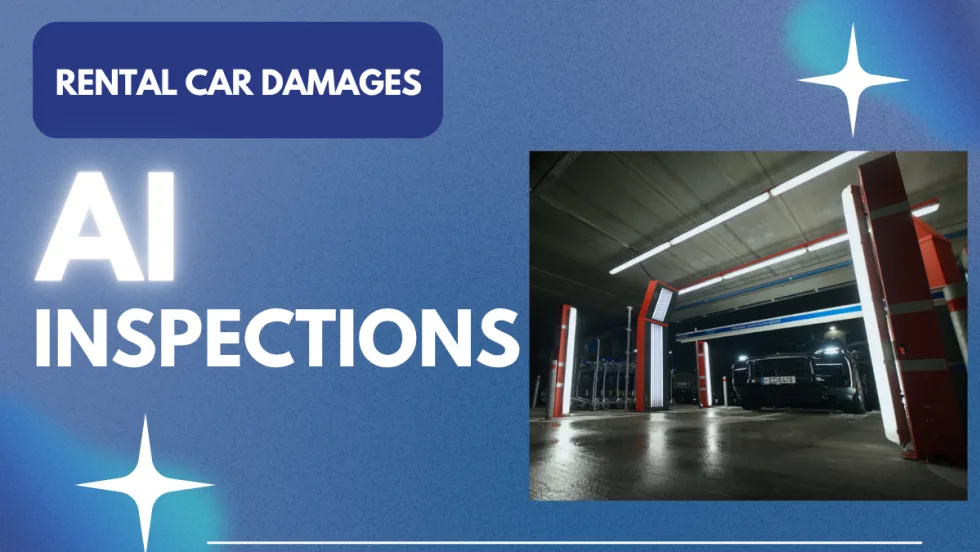
Using AI to Create Clarity, Not Conflict, in Rental Car Damage
Rental companies still need people, policy, judgment, and thoughtful implementation, with operators remaining in control of the customer experience.
Read More →
Go Rentals, Repair Provider Partner To Ease Insurance Claims Experience
The arrangement helps reduce the stress of collision repair for vehicle owners by connecting them to reliable, timely rental cars.
Read More →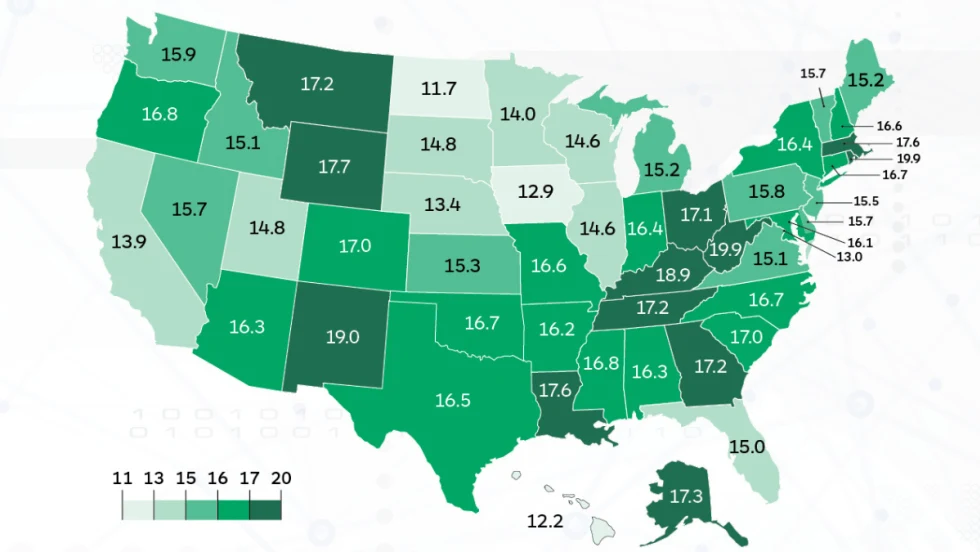
U.S. Collision-Related Rental Length of Rental Declined Modestly in Q4 2025
While LOR continues to decrease from post-pandemic highs, ongoing market and economic conditions could impact future results.
Read More →
Beyond The Rental Desk: Inside Car Rental’s Push To Simplify
Greater transparency, simplified digital access, and connected fleets will be the key factors in determining who comes out on top over the next 10 years.
Read More →
Tripiamo Brings Certified Driving Confidence Training For Car Renters
Driving abroad is one of the leading causes of death among international travelers, who are not used to new traffic patterns.
Read More →
AI in Car Rental Should Be the Customer’s Advocate, Not Accuser
Opinion/Editorial: What happens when AI randomly overcharges car renters outrageous fees and penalties?
Read More →
TSD Mobility, Canopy Connect Partner to Ease Insurance Verification
The new integration brings streamlined functionality to rental agents and dealerships.
Read More →
Length of Rental Could Be Finding a New Normal of More Days
The industry may not be returning to the lower LORs of 2019 and 2020 as two years of declining repair shop backlogs appear to flatline.
Read More →
Gallagher Insurance Hires Broker Focused on Rental Car Operations
The former rental fleet executive informs his insurance practices with the everyday realities of managing rented vehicles.
Read More →