


AAA Predicts Labor Day Weekend Travelers to Increase 9.9 Percent
Ninety-one percent of travelers will use automobiles to reach their holiday destinations. They will also travel shorter distances and spend more money.
AAA forecasts that there will be 34.4 million travelers who take a trip at least 50 miles away from home this Labor Day weekend, an increase of 9.9 percent from 31.3 million travelers last year, based on information from IHS Global Insight.
The 2010 Labor Day holiday travel period is defined as Thursday, September 2 to Monday, September 6. AAA said the earlier the holiday falls in September, the more travel tends to occur.
The increase in travel has been attributed to economic improvement over the past year. Gross domestic product, household net worth and consumer confidence has increased while consumer debt has decreased. The travel industry in the United States began to gain traction in the fourth quarter of 2009 and has continued to strengthen in 2010.
"While media reports on the state of the U.S. economy are mixed, many Americans are still interested in taking one more trip as the summer travel season comes to a close," says Glen MacDonell, director of AAA Travel Services. "It is encouraging to see more Americans planning to travel to visit family, friends and exciting vacation destinations."
More travelers will use automobiles to reach their destinations
About 31.4 million Labor Day weekend travelers (or 91 percent of total travelers) are expected to use an automobile to reach their destination. This is a 10.3 percent increase from 2009, in which 28.5 million travelers used automobiles.
AAA expects the national average price of self-serve regular gasoline to be between $2.65 and $2.75 per gallon during the holiday weekend unless any major tropical storm activity takes place in the Gulf Coast region.
Air travel will only be utilized by 1.62 million holiday travelers, just five percent of total holiday travel. This is a 4.6 percent increase from the 1.54 million travelers that flew in 2009.
Four percent of travelers will use rail, bus and watercraft to reach their destinations.
Travelers will spend more while traveling shorter distances
The distance traveled by Americans this Labor Day weekend is expected to be an average of 635 miles, which is slightly less than last year's average of 645 miles.
Median spending will increase from $650 in 2009 to $697 this year. Dining (63 percent); shopping (47 percent) and visiting with friends and relatives (43 percent) were named as the three top primary activities by travelers this Labor Day weekend.
Airfares and hotel rates are expected to increase
According to AAA's Leisure Travel Index, airfares over the Labor Day holiday weekend are expected to increase nine percent from last year's rates. The lowest round-trip rates are increasing to $179 for the top 40 United States air routes.
Car rentals for the holiday weekend will increase to $46, approximately seven percent.
AAA Three Diamond lodgings are expected to increase their rates six percent, from an average of $132 in 2009 to $139 this year. Two Diamond hotels are expected to increase two percent to an average of $102 per night.
More Rental Operations

Hertz, Avis: Parsing the Q3 Headwinds and Tailwinds
Third-quarter results from Hertz and Avis show resilient pricing despite softer travel demand. Meanwhile, higher operating costs, recalls, uneven vehicle depreciation, and international weakness continue to put pressure on profits.
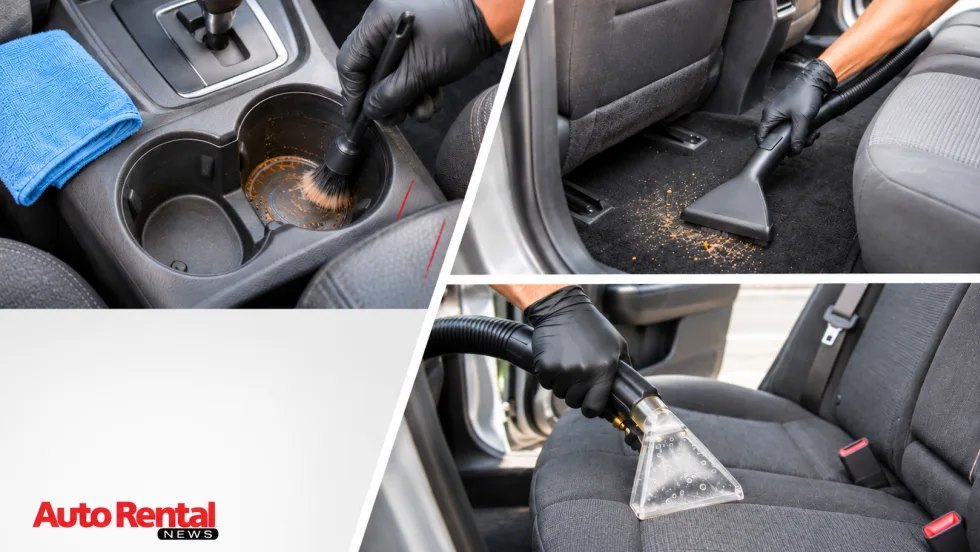
How Better Cleaning Processes Improve Rental Fleet Efficiency
A consistent approach to vehicle cleaning helps rental operators reduce turnaround delays and return vehicles to service without compromising cleanliness.
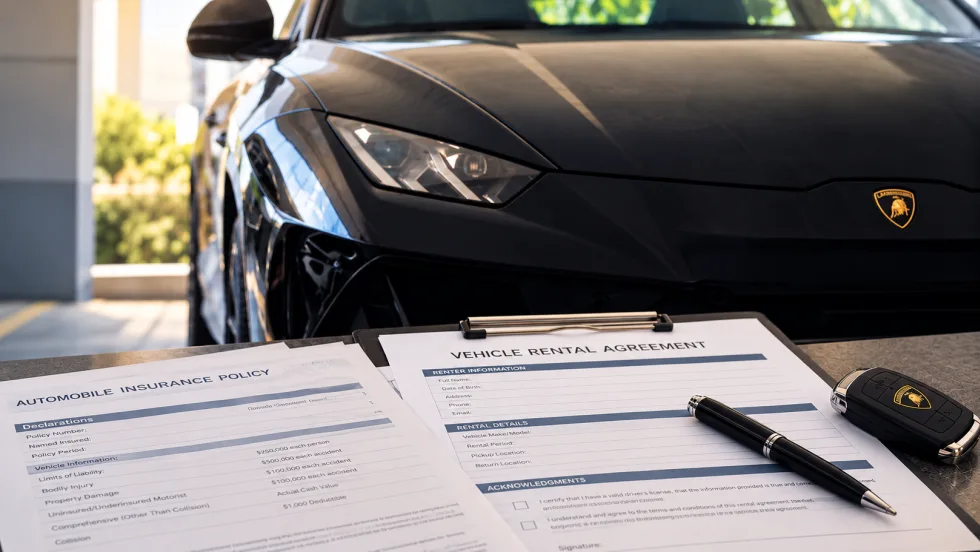
Clean on Paper: Red Flags in Exotic Car Rental Verification
A suspicious $45,000 Lamborghini booking reveals the strengths and limitations of renter verification, from forged insurance documents to coverage gaps and unauthorized drivers. (Part 2 of 3)
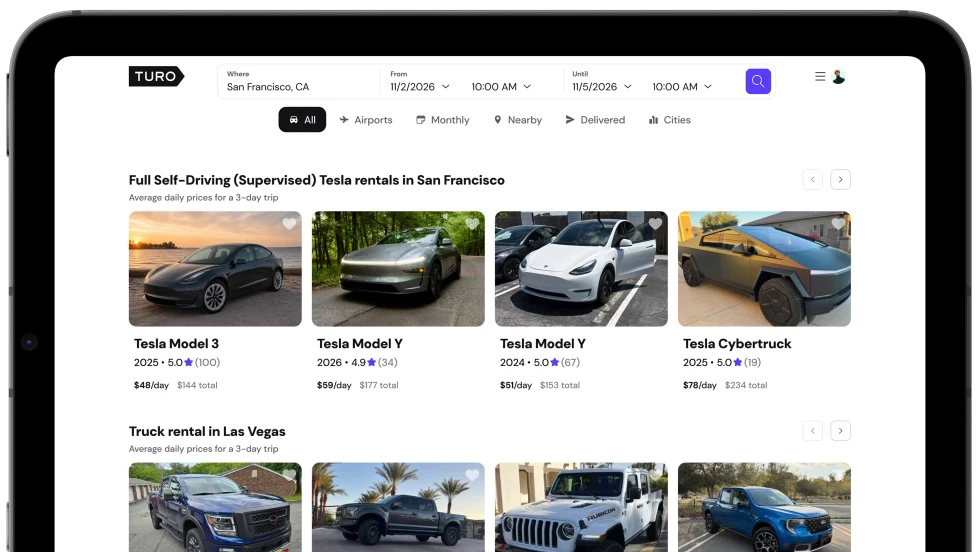
Turo and Tesla Take the Next Step Toward Autonomous Car Rentals
The partnership brings Tesla's Full Self-Driving (Supervised) technology into the rental experience, offering a glimpse of how increasingly automated vehicles could change car rental.
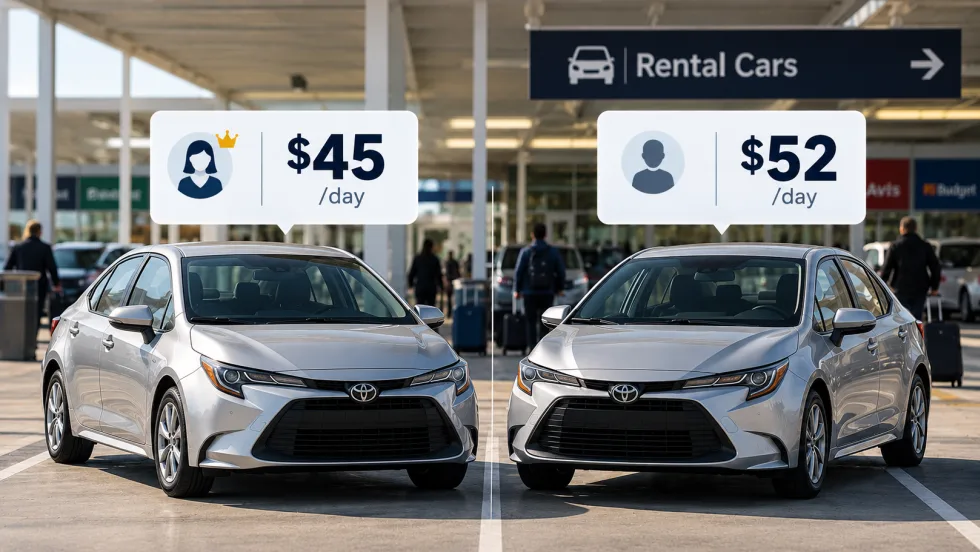
How Rental Operators Can Navigate Personalized Pricing Rules
As regulators scrutinize the use of customer data in pricing, rental operators need to know whether they can explain why one renter pays more than another.
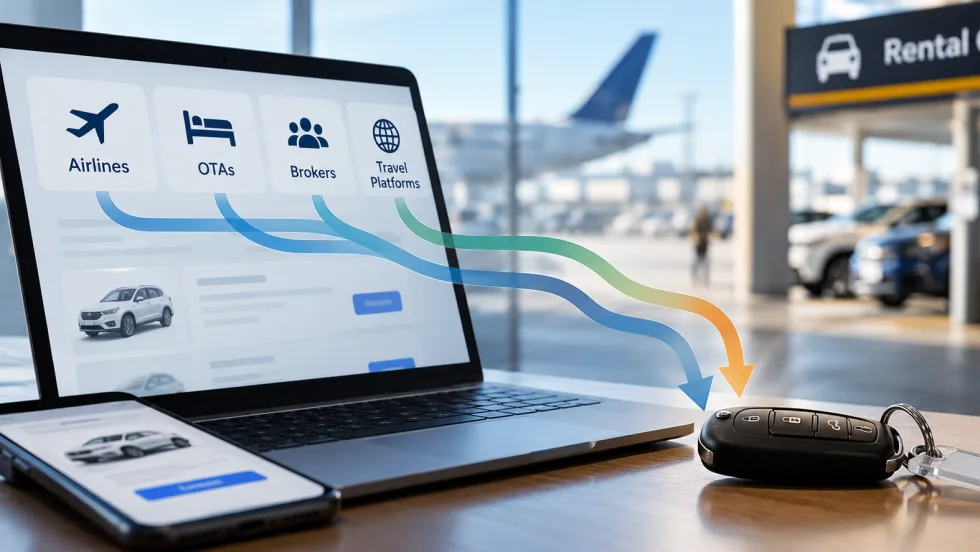
Direct, Broker or Hybrid? How Travel Retailers Source Rental Cars
As travel retailers weigh direct supplier relationships against third-party distribution, rental operators need to understand how those decisions affect their business.

How Did This Independent Rental Operator Grow to 170 Vehicles in 4 Years?
With 170 vehicles across three Kentucky locations, Joel Price relies on an overseas team to handle reservations, payments, and after-hours customer service. It's one part of an unconventional approach to growing an independent rental operation.

What Does It Take to Succeed in B2B Rentals?
The fundamentals may be familiar to daily car rental operators, but project-based truck rentals put different demands on the fleet and the business.

NPR Builds on International Partnerships to Grow Rental Bookings
With Ana Laborde supporting broker development, NPR Auto Group is tailoring distribution strategies, rate packages, and partnerships to grow international reservations across its three brands.
Advantage, Sixt Place Among Top Five in Annual Satisfaction Study
While Enterprise and National retain the top spots in JD Power’s 2026 rankings, the latest customer satisfaction results suggest renters can find competitive service beyond the biggest car rental names.