




AmEx: Airfares Reached Record Levels in Q2
American Express Business Travel recently published data for North American-based domestic and international airfares from its Business Travel Monitor.
For the second quarter of 2008, the American Express Business Travel Monitor confirmed that high fuel prices, which led many airlines to make capacity reductions and tighten ticketing restrictions, increased the average airfare paid, motivating companies to strengthen policy compliance strategies when managing travel and entertainment spending.
The second quarter of 2008 marked a seven-year high in the average airfare paid by business travelers. Oil prices, capacity constraints and ticketing restrictions drove up airfare 10 percent year-over-year. The average one-way airfare paid was $260, up $24 from the same period last year. Compared to the first quarter of 2008, the fare was up $27, an increase of 12 percent.
The average international one-way airfare paid during the second quarter of 2008 set a new record, at its highest level since the inception of the Business Travel Monitor in 1999. With an 11 percent increase in the second quarter of 2008, over the same period in 2007, international airfares reached nearly $2,000, with a final average of $1,980.
American Express Business Travel distributes data through various services and tools, including the Business Travel Monitor and the annual Global Business Travel Forecast, to offer clients a better understanding of pricing trends and the existing opportunities for gaining better control over their travel and entertainment budgets.
More Rental Operations
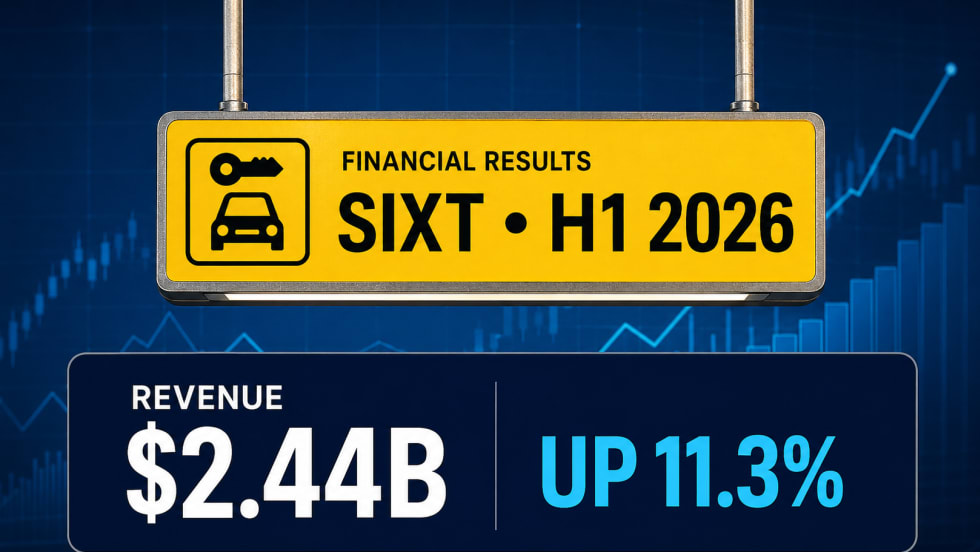
Sixt Revenue Tops $2.4 Billion in First Half of 2026
Sixt’s first-half revenue surpassed $2.4 billion for the first time as demand outpaced fleet growth, lifting utilization and earnings despite weaker consumer sentiment in North America.
Read More →
In Memoriam: Bobby Klyce, Avis Licensee Legend
The longtime Birmingham Avis operator and 2018 Auto Rental News Impact Award recipient was remembered as an advocate for independent licensees and the broader car rental industry.
Read More →
How to Build Custom Fleet Tools With AI and Vibe Coding [Webinar]
A new Automotive Fleet webinar explores how fleet managers are using AI and vibe coding to automate routine work and create simple operational tools without traditional programming skills.
Read More →
Car Rental Rates Forecast to Rise 3.6% in 2026 Before Easing in 2027
Car rental rates are projected to rise less than airfares and hotel rates in 2026, then become the only major travel category forecast to decline in 2027, according to projections from GBTA and ALTOUR.
Read More →
Avis Cuts Fleet as Summer Demand Trails Expectations
Avis Budget Group increased second-quarter earnings despite lower Americas revenue and softer-than-expected summer demand. The company also expanded Avis First and advanced its autonomous fleet operations with Waymo.
Read More →
Why Bookings Are Only the Start of the Rental Day
A reservation captures demand. The operating test is whether the business can keep the customer, vehicle, commercial terms, and next action aligned until the rental is closed.
Read More →
This Is the Oldest Car Rental Advertisement You’ll Ever See
This ad for Saunders Drive it Yourself, believed to be the first car rental company in the U.S., was found in an Omaha phone book from 1926.
Read More →
The Desk Upsell Is Costing Operators More Than it Earns
Counter upsells generate revenue, but they can also slow transactions, erode trust, and cost repeat business. Fully inclusive pricing may offer operators a better path to long-term value.
Read More →
U-Save Expands Indian Ocean Presence with New Master Franchise for Mauritius
The franchise has been acquired by Mauritian travel entrepreneur Umarfarooq Omarjee, an established figure in the island's tourism and mobility sector.
Read More →
Global Carsharing Fleet Projected to Reach 768,000 Vehicles By 2030
A new Berg Insight forecast outlines several business models driving the projected growth in public carsharing worldwide through 2029.
Read More →