



April Airport Rates Continue Downward
April 2017 rate quotes were down again, continuing a pattern of year-over-year losses in six of the last seven months. The Northeast region had the highest rate at $57.27 — $19.55 higher than the lowest Southwest average of $38.72.

Rate data provided by Rate-Highway, a leading provider of revenue management services for the auto rental industry. Rates are an average of aggregator/OTA rates for all vendors present in the markets listed on the date of the survey. These tables and graph show the average of all base rate quotes per day for an ICAR at the six or 50 airports shown, for arrivals 15 to 21 days ahead of the date of the survey, for two- and seven-day rentals.
With the help of Jim Tennant of The Tennant Group and Michael Meyer of Rate-Highway Inc., we are conducting rate surveys on a weekly basis and providing analysis and comments where appropriate. We publish this monthly recap in our electronic edition and more comprehensive looks in the print editions.

April 2017 rate quotes were down again, albeit considerably less than March, but this continues a pattern of year-over-year losses in six of the last seven months. August and September 2016 were up significantly year-to-year, but rates have been flat or down since then.
The March and April year-to-year comparisons are somewhat complicated by the different number of weeks in each month. We take a more detailed look at this below.
Regional rate differences have widened. In April 2016, the Northeast average rate quote was highest at $52.11 — $9.47 higher than the lowest rate of $42.64 in the Midwest. April 2017’s highest average was again the Northeast at $57.27 — $19.55 higher than the lowest Southwest average of $38.72.
Looking at the 3 top tier brands in the top 20 airports, National continued to have the highest average quotes, with Hertz second and Avis third.
March and April Year-to-Year Comparisons
Provided by Rate-Highway, the rate surveys are used to compile the averages that are published here; in other periodic articles, they are conducted every Friday.
The monthly averages are an average of all the weekly surveys during that month. Typically, three of the 12 months will have five Fridays and nine months will have four Fridays. Any two months will average out, but we are watching the trends carefully this year to see how the summer business looks.
Recent rates have been weak despite strong indicators in other parts of the travel industry and the economy in general. April 2017 has five weeks and March has four weeks while the reverse was true in 2016. The weekly rates were quite volatile in the middle weeks of the eight-week period in question, so we are showing each week separately to give a more complete picture.
If the number of weeks had remained constant, the March decline would have been smaller while the April decline would have been larger; therefore, the year-to-year trend is not flattening as much as the published results show.

Rate data provided by Rate-Highway, a leading provider of revenue management services for the auto rental industry. Rates are an average of aggregator/OTA rates for all vendors present in the markets listed on the date of the survey. These tables and graph show the average of all base rate quotes per day for an ICAR at the six or 50 airports shown, for arrivals 15 to 21 days ahead of the date of the survey, for two- and seven-day rentals.
More Rental Operations
Hertz, Avis: Parsing the Q3 Headwinds and Tailwinds
Third-quarter results from Hertz and Avis show resilient pricing despite softer travel demand. Meanwhile, higher operating costs, recalls, uneven vehicle depreciation, and international weakness continue to put pressure on profits.

How Better Cleaning Processes Improve Rental Fleet Efficiency
A consistent approach to vehicle cleaning helps rental operators reduce turnaround delays and return vehicles to service without compromising cleanliness.
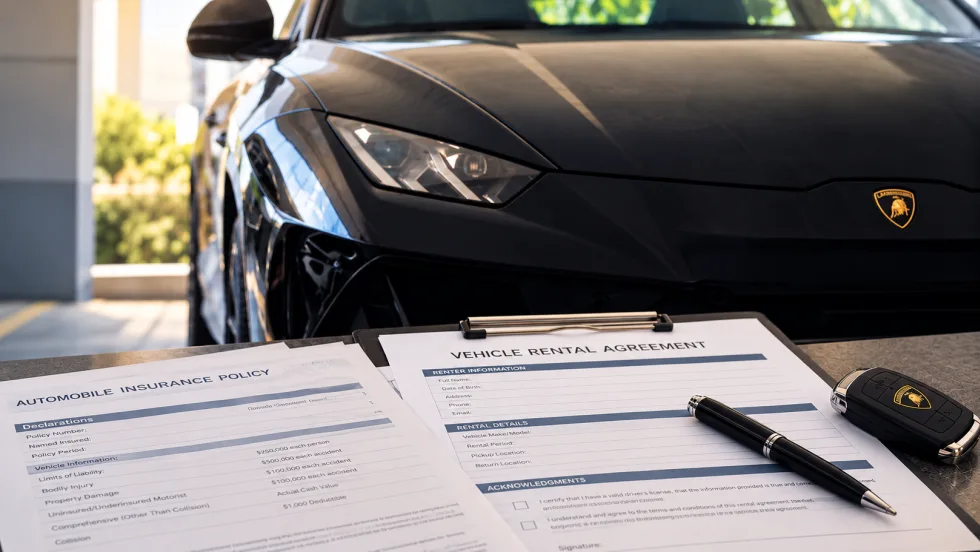
Clean on Paper: Red Flags in Exotic Car Rental Verification
A suspicious $45,000 Lamborghini booking reveals the strengths and limitations of renter verification, from forged insurance documents to coverage gaps and unauthorized drivers. (Part 2 of 3)
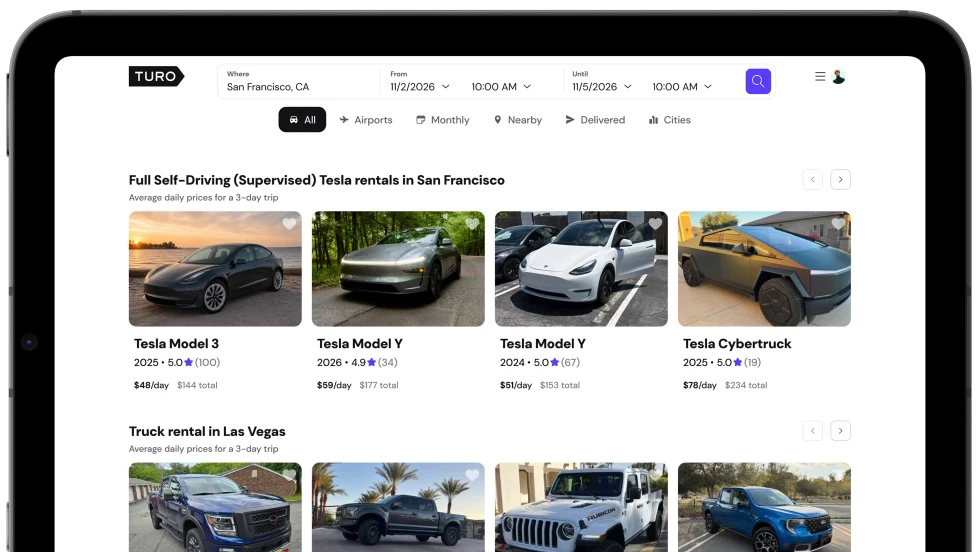
Turo and Tesla Take the Next Step Toward Autonomous Car Rentals
The partnership brings Tesla's Full Self-Driving (Supervised) technology into the rental experience, offering a glimpse of how increasingly automated vehicles could change car rental.
How Rental Operators Can Navigate Personalized Pricing Rules
As regulators scrutinize the use of customer data in pricing, rental operators need to know whether they can explain why one renter pays more than another.

Direct, Broker or Hybrid? How Travel Retailers Source Rental Cars
As travel retailers weigh direct supplier relationships against third-party distribution, rental operators need to understand how those decisions affect their business.

How Did This Independent Rental Operator Grow to 170 Vehicles in 4 Years?
With 170 vehicles across three Kentucky locations, Joel Price relies on an overseas team to handle reservations, payments, and after-hours customer service. It's one part of an unconventional approach to growing an independent rental operation.

What Does It Take to Succeed in B2B Rentals?
The fundamentals may be familiar to daily car rental operators, but project-based truck rentals put different demands on the fleet and the business.

NPR Builds on International Partnerships to Grow Rental Bookings
With Ana Laborde supporting broker development, NPR Auto Group is tailoring distribution strategies, rate packages, and partnerships to grow international reservations across its three brands.

Advantage, Sixt Place Among Top Five in Annual Satisfaction Study
While Enterprise and National retain the top spots in JD Power’s 2026 rankings, the latest customer satisfaction results suggest renters can find competitive service beyond the biggest car rental names.